
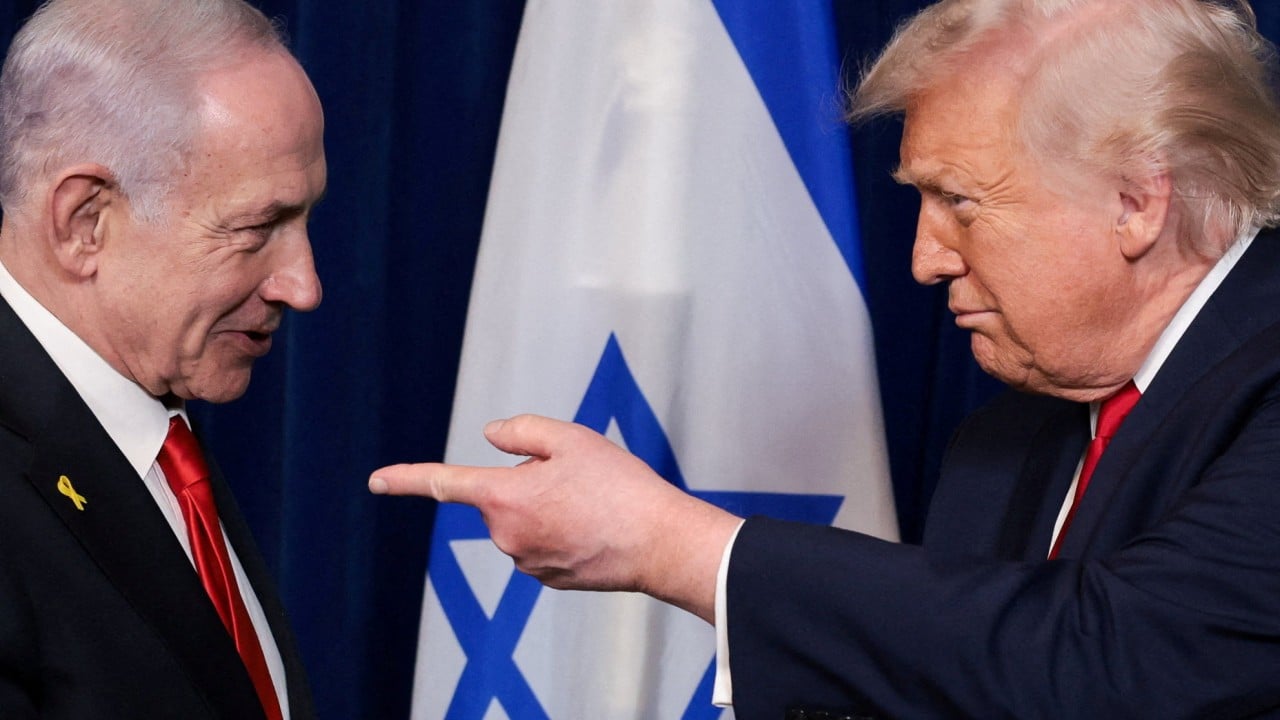
Analysis suggests Israel's move to phase out US military aid reflects shifting global alliances
A Chinese academic commentary argues that Israel's decision to reduce reliance on American military aid is a symptom of a broader decline in U.S. global influence. The report suggests that Washington's 'America First' policy is forcing allies to become more self-reliant due to domestic financial pressures.
A recent commentary by Zhu Zhaoyi, an analyst at Peking University, posits that Israel’s strategic shift toward phasing out American military aid is indicative of a larger trend regarding the stability of U.S.-led alliances. According to the analysis, the United States is increasingly prioritizing domestic financial concerns under an 'America First' framework, which in turn necessitates that traditional allies take on more responsibility for their own security and defense funding.
The commentary frames this transition not merely as a bilateral policy change between Washington and Jerusalem, but as a structural signal that the era of unconditional U.S. military support is waning. By suggesting that Washington is no longer able or willing to maintain the same level of financial commitment to its partners, the author argues that the global geopolitical landscape is undergoing a significant realignment. This perspective emphasizes that the pressure is coming from both sides: the U.S. is seeking to reduce its foreign expenditures, while allies are adjusting to a reality where American reliability is perceived as less certain than in previous decades.
While the report focuses on the economic and strategic motivations behind this shift, it characterizes the development as a decline in Washington’s influence. The analysis suggests that as the U.S. pivots toward inward-looking policies, other nations are being compelled to reconsider their long-term security arrangements. The commentary serves as a critique of current U.S. foreign policy, suggesting that the 'America First' approach is effectively weakening the network of alliances that has defined international relations for the past several decades.
📡 Media Analysis
How each outlet framed the story — angles, word choices, and what they chose to push or ignore.
Used an academic's opinion to frame U.S. foreign policy as being in a state of inevitable decay.
"decline of US alliances"
✓ Only outlet to report: Provided a specific academic perspective from a Chinese institution regarding the motivations behind U.S. foreign aid policy.
⚡ Where Sources Disagree
- ·The source presents the decline of U.S. alliances as a fact, whereas U.S. officials typically describe these changes as strategic 'burden-sharing' or modernization.
🔍 What Nobody's Reporting
- ·Lack of comment or perspective from U.S. or Israeli government officials regarding the actual status of aid agreements.
- ·Absence of data or context regarding the specific financial or military aid packages currently in place between the two nations.
📰 Sources
0 A-rated source(s) among 1 total. Lowest trust: SCMP (B)