
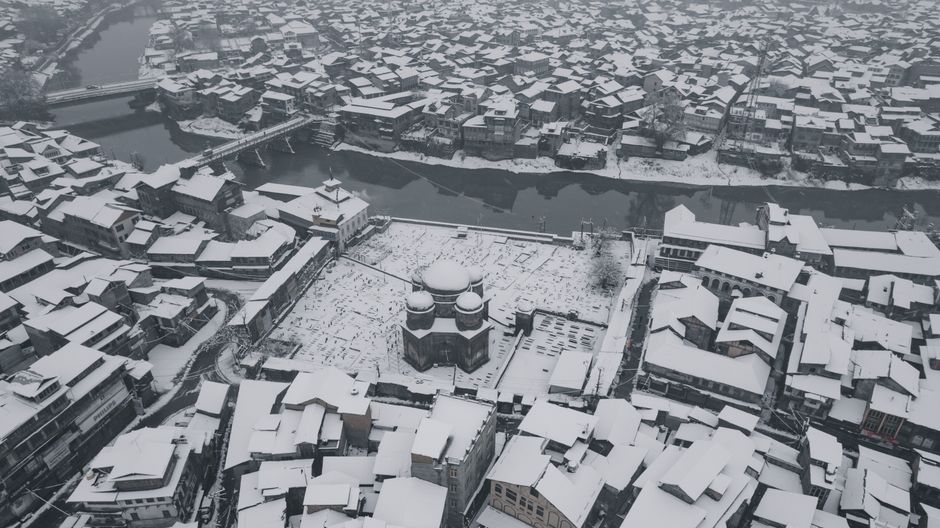
Debate continues over the impact of delayed statehood for Jammu and Kashmir
The delay in restoring statehood to Jammu and Kashmir has sparked concerns regarding the region's democratic representation. Critics argue that the prolonged central administration creates a democratic deficit, while the government maintains that security and stability remain the primary priorities.
The status of Jammu and Kashmir remains a subject of significant political debate, particularly regarding the timeline for the restoration of full statehood. Since the reorganization of the region in 2019, Jammu and Kashmir has been governed as a Union Territory under the direct administration of the central government.
Proponents of immediate statehood argue that the current arrangement results in a 'democratic deficit,' suggesting that the lack of a locally elected legislative body diminishes the political agency of the region's residents. They contend that the delay prevents the full normalization of democratic processes and leaves citizens without adequate representation in local governance.
Conversely, the central government has consistently maintained that the transition to statehood is contingent upon the establishment of long-term peace and security in the region. Officials have pointed to improvements in the security environment as a prerequisite for holding elections and restoring statehood. While the Supreme Court of India has previously directed the government to work toward the restoration of statehood, the specific timeline remains a point of contention between political stakeholders who prioritize immediate democratic restoration and those who emphasize the necessity of maintaining central oversight to ensure stability. The ongoing delay continues to be a central theme in regional political discourse, with various parties calling for a clear roadmap to return the region to a state-level governance model.
📡 Media Analysis
How each outlet framed the story — angles, word choices, and what they chose to push or ignore.
Focused on the negative political consequences of the current administrative delay.
"democratic deficit"
⚡ Where Sources Disagree
- ·Whether the current security situation justifies the continued delay of statehood.
- ·Whether the lack of statehood constitutes a functional 'democratic deficit' or a necessary administrative phase.
🔍 What Nobody's Reporting
- ·Lack of specific government-provided timelines or benchmarks for when statehood might be restored.
- ·Absence of perspectives from local residents who may support the current central administration.
📰 Sources
0 A-rated source(s) among 1 total. Lowest trust: Indian Express (B)