
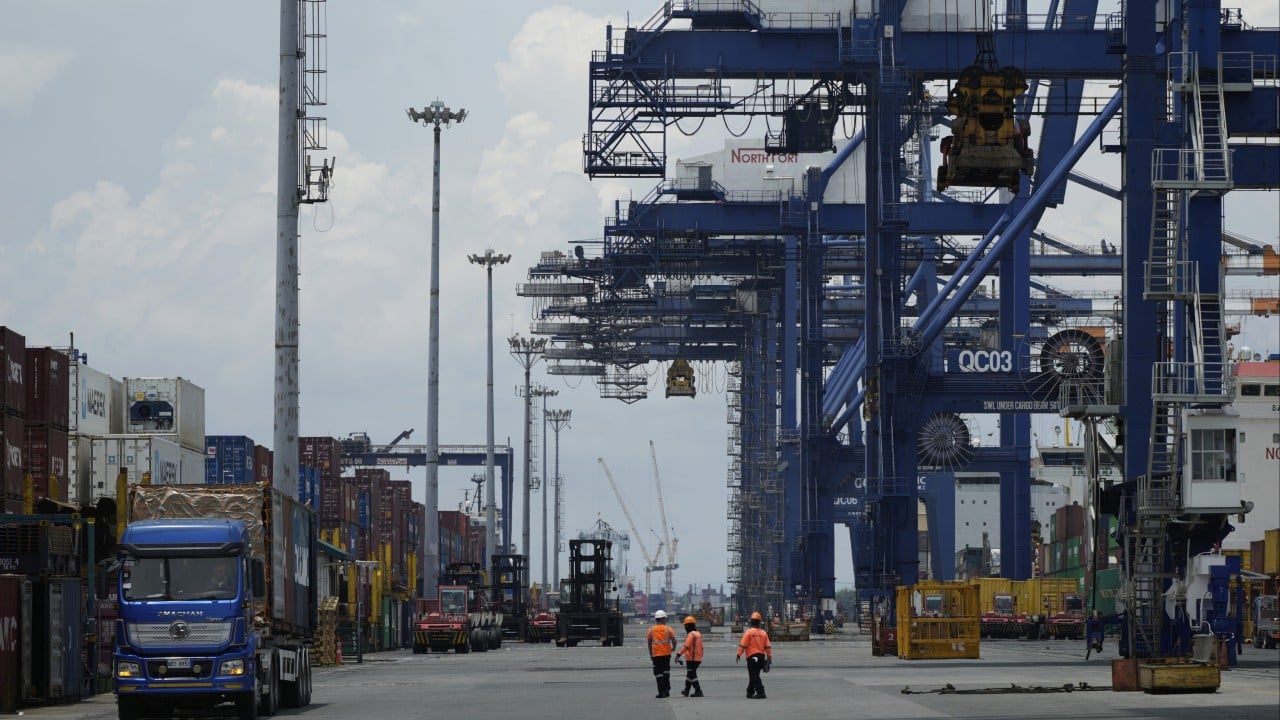
ADB Report Projects $70 Billion Annual Climate Damage to Philippine Ports by 2100
A new Asian Development Bank report warns that climate-related damage to Philippine ports could reach $70.2 billion annually by the end of the century. Experts suggest that addressing these risks will require comprehensive flood protection strategies rather than just reinforcing individual port structures.
The Asian Development Bank (ADB) has released its 'Asia-Pacific Climate Report 2026,' highlighting the severe economic risks climate change poses to maritime infrastructure in the Philippines. According to the report, the nation is expected to face the highest climate-driven port damage costs in Southeast Asia, with projected annual losses reaching US$70.2 billion by 2100.
Analysts cited in the report emphasize that the potential destruction of these ports extends beyond physical infrastructure costs. The disruption of maritime hubs could have cascading effects on the national economy, including the crippling of supply chains, significant increases in food prices, and the loss of livelihoods for those dependent on port-related industries.
To mitigate these risks, the report advocates for a shift in policy. Rather than focusing solely on strengthening individual port facilities, experts are urging the Philippine government to adopt a more coordinated, national approach to flood protection. This strategy would prioritize broader coastal resilience to protect the infrastructure from the increasing frequency and intensity of climate-related events. While the report provides a stark long-term projection, it serves as a call to action for Manila to integrate climate adaptation into its long-term economic planning to prevent the worst-case financial scenarios.
📡 Media Analysis
How each outlet framed the story — angles, word choices, and what they chose to push or ignore.
Focused on the economic scale of the climate threat and the need for systemic policy changes.
"cripple supply chains"
🔍 What Nobody's Reporting
- ·Lack of specific details on current government spending or existing climate adaptation projects in the Philippines.
- ·No mention of the specific methodology or climate models used by the ADB to reach the $70 billion figure.
📰 Sources
0 A-rated source(s) among 1 total. Lowest trust: SCMP (B)