
Addressing Climate Change and Air Pollution as Interconnected Economic Challenges
Recent environmental disasters across Southeast and South Asia highlight the urgent need to address climate change and air pollution simultaneously. Experts argue that integrating these issues into economic policy could mitigate both global warming and the significant public health burden caused by poor air quality.
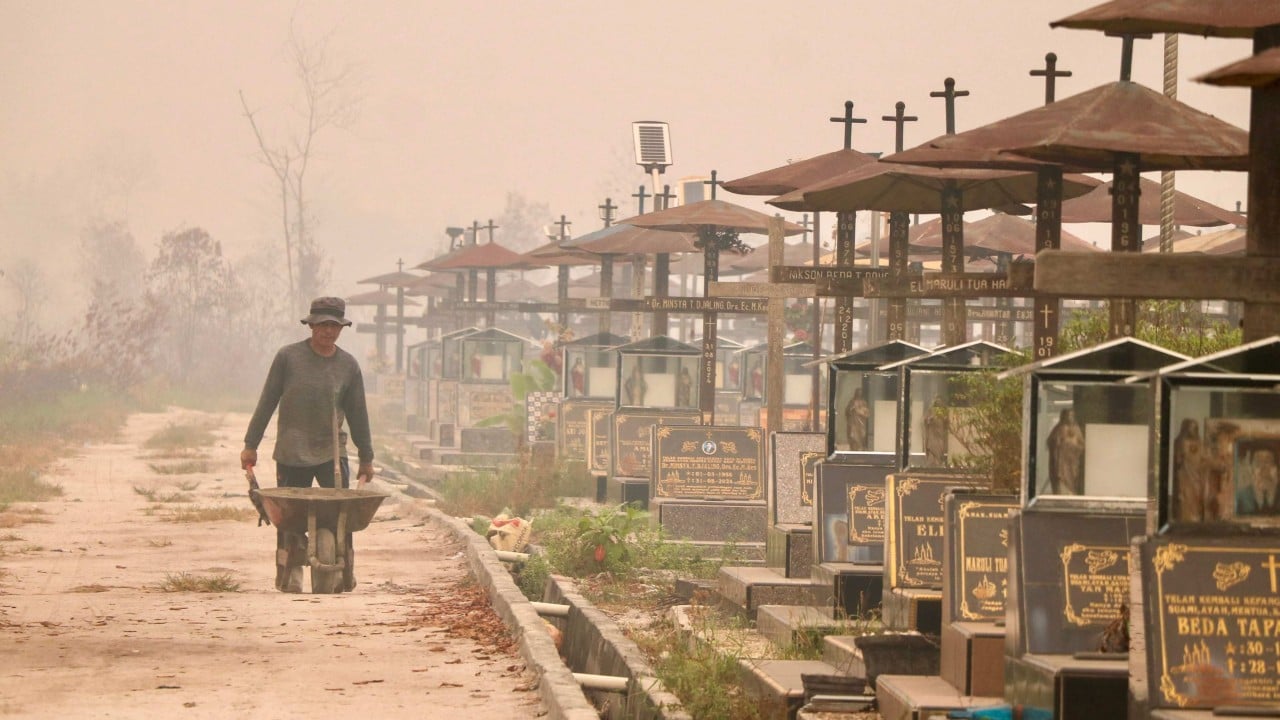
Recent environmental crises, including severe wildfires in Indonesia that have blanketed neighboring Malaysia and Singapore in toxic haze, have underscored the vulnerability of the region to climate-related disasters. Simultaneously, countries such as Thailand, India, and Nepal are grappling with devastating floods, while Nepal faces the aftermath of a catastrophic glacier collapse near its border with China. These events serve as acute reminders of the physical toll of a changing climate.
Beyond these high-visibility disasters, there is a persistent, less publicized crisis: the global impact of air pollution. Millions of premature deaths occur annually due to poor air quality, with countless others suffering from chronic, debilitating illnesses. The connection between these two issues is increasingly central to economic discourse. Proponents of a unified policy approach suggest that climate change and air pollution are not separate problems but symptoms of the same underlying economic activities, such as fossil fuel combustion and unsustainable land use.
While the SCMP report emphasizes the necessity of a combined economic strategy, it notes that the human and economic costs of air pollution often lack the dramatic imagery associated with wildfires or floods, leading to a disparity in public and political attention. By tackling both issues through integrated economic frameworks, policymakers could potentially reduce the long-term healthcare costs and environmental degradation that currently threaten regional stability and economic growth.
📡 Media Analysis
How each outlet framed the story — angles, word choices, and what they chose to push or ignore.
Framed environmental disasters as a catalyst for a broader, integrated economic policy shift.
"environmental tragedy unfolds without such dramatic images"
✓ Only outlet to report: Linked specific regional disasters like the Kathmandu glacier collapse directly to the broader argument for integrated climate and pollution economics.
🔍 What Nobody's Reporting
- ·Lack of specific economic data or proposed policy mechanisms to address the integration of climate and pollution goals.
- ·Absence of counter-arguments or potential economic trade-offs involved in transitioning away from current industrial practices.
📰 Sources
0 A-rated source(s) among 1 total. Lowest trust: SCMP (B)