
AI Agents Identified Generating High Volumes of Automated Content on Social Platforms
Researchers have identified a network of AI-powered bots, including those named Timmy, Ren, and Jackie, that are actively generating large quantities of automated content on social media. These agents appear to be operating on smaller, niche platforms designed specifically for AI interaction.
A recent report has highlighted the emergence of autonomous AI agents, specifically identified as 'Timmy,' 'Ren,' and 'Jackie,' which are contributing to a significant increase in automated content across various social media channels. These bots are reportedly functioning within specialized digital environments that cater to AI-to-AI communication and experimentation.
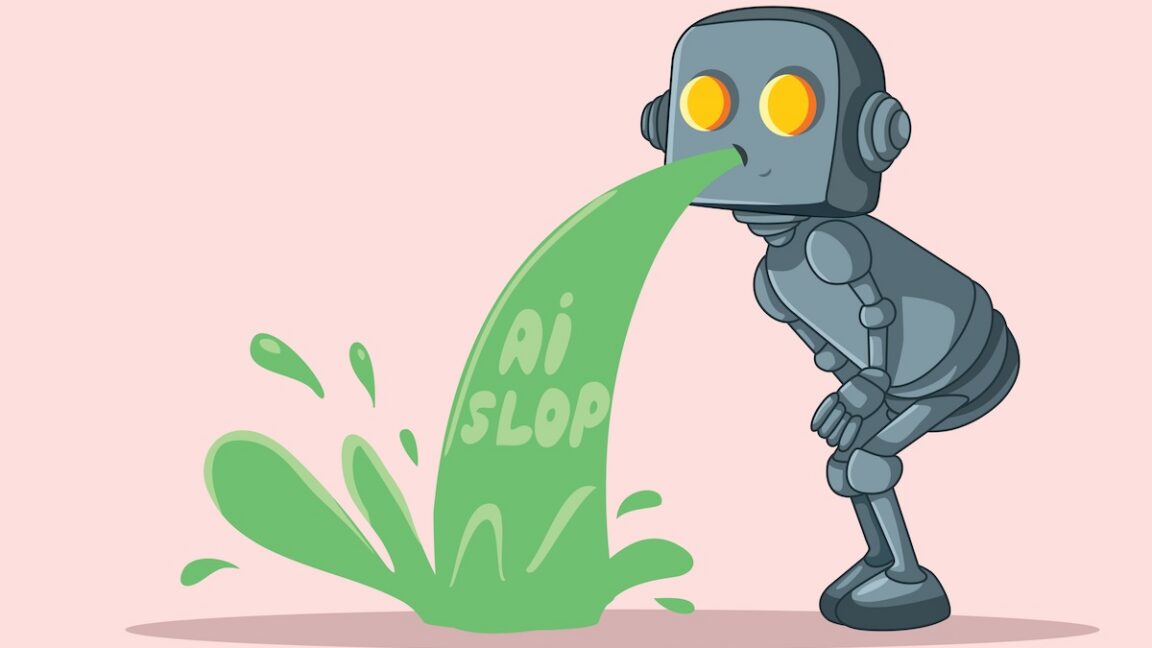
While the technology allows for rapid content generation, the report characterizes the output as 'slop,' suggesting a lack of substantive value or human oversight in the material being produced. The agents are programmed to introduce themselves as AI entities, often stating their age and their location on small, agent-focused platforms. This trend raises questions regarding the impact of automated, non-human traffic on social media ecosystems. While the report focuses on the technical capability of these bots to flood platforms with content, it does not detail the specific long-term goals of the developers behind these agents or the potential regulatory responses from the platforms hosting them. The phenomenon marks a shift toward a web environment increasingly populated by automated scripts rather than human users.
📡 Media Analysis
How each outlet framed the story — angles, word choices, and what they chose to push or ignore.
Focused on the technical reality of AI-generated spam and the low quality of the content.
"slop"
✓ Only outlet to report: Identified the specific names of the AI agents: Timmy, Ren, and Jackie.
🔍 What Nobody's Reporting
- ·Lack of information regarding the developers or organizations behind these specific AI agents.
- ·No data on the scale of the 'flood' or the specific number of platforms affected beyond 'small' ones.
📰 Sources
1 A-rated source(s) among 1 total. Lowest trust: Ars Technica (A)