
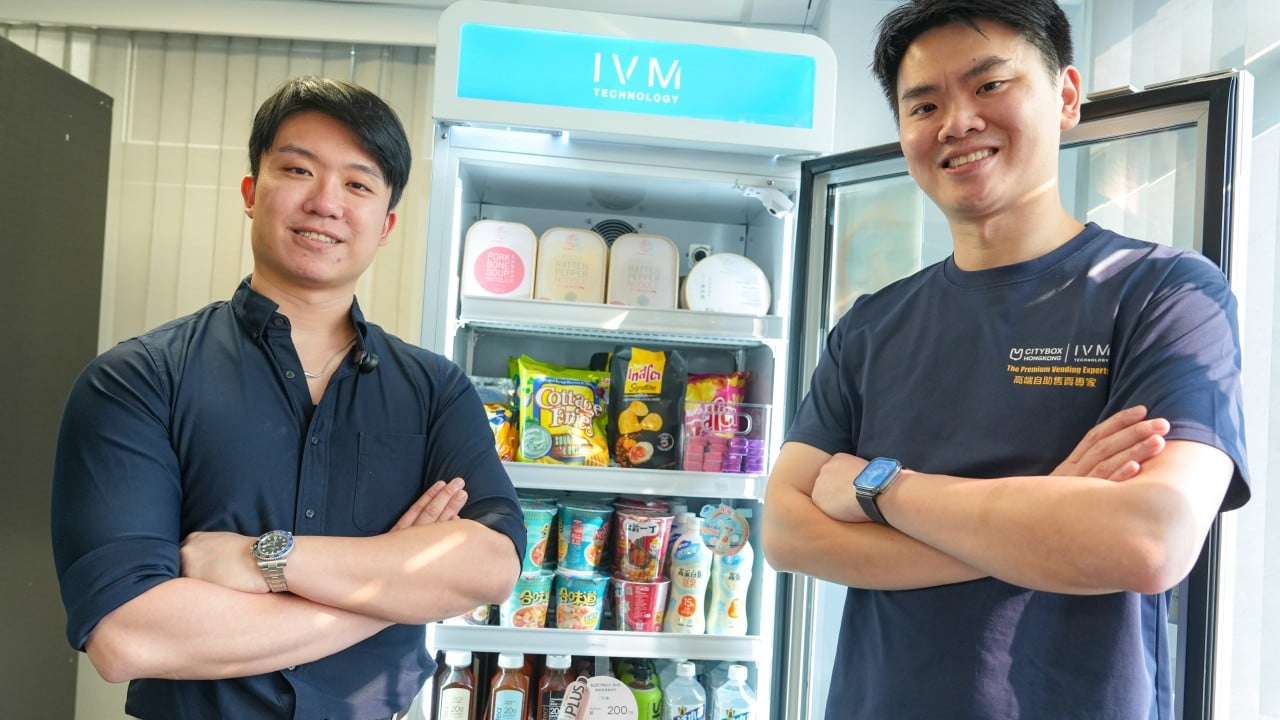
AI-Powered Open-Door Vending Machines Emerge in Hong Kong Retail
Hong Kong residents are increasingly using AI-integrated, open-door vending machines that allow customers to select items and pay automatically upon closing the door. This technology aims to streamline the retail experience by removing traditional checkout barriers.
A new generation of AI-powered vending machines is appearing in Hong Kong, changing how local consumers interact with automated retail. Unlike traditional machines that dispense one item at a time through a mechanical slot, these open-door units allow customers to physically handle products before purchasing. Users typically scan a QR code via a mobile app to unlock the door, select their desired items, and complete the transaction automatically once the door is shut.
Proponents of the technology highlight the convenience and speed of the process, noting that it eliminates the need for manual scanning or waiting in lines. By using sensors and AI to track which items are removed, the machines can process payments seamlessly. While the technology is currently being tested in residential areas like Chai Wan, industry observers are monitoring whether this model will scale to replace or supplement traditional retail outlets across the city. The shift represents a broader trend toward frictionless commerce, where the primary time investment for the consumer is limited to product selection rather than the transaction itself.
📡 Media Analysis
How each outlet framed the story — angles, word choices, and what they chose to push or ignore.
Focused on the convenience and user experience of the new technology.
"The whole process is so seamless"
✓ Only outlet to report: Detailed the specific user journey of a local resident in Chai Wan.
🔍 What Nobody's Reporting
- ·Lack of information regarding data privacy and how consumer purchase habits are tracked.
- ·No discussion of the potential impact on traditional retail employment or small business competition.
📰 Sources
0 A-rated source(s) among 1 total. Lowest trust: SCMP (B)