
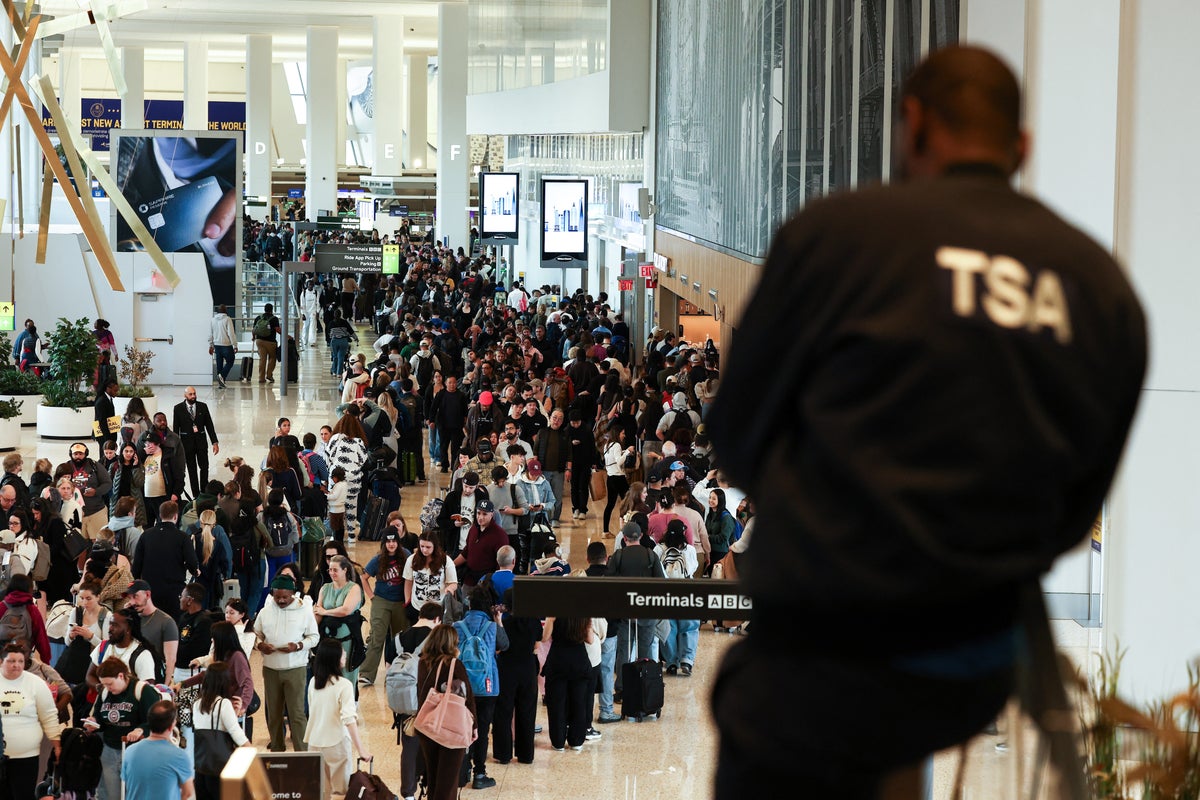
Airlines face increased flight cancellations amid reduced capacity and severe weather
Flight cancellations are rising as airlines operate with less capacity due to high fuel costs. This reduction leaves the industry with little flexibility to manage passenger volume when severe weather occurs.
Air travel reliability has declined recently, with a noticeable increase in flight cancellations. Industry analysts attribute this trend to a strategic reduction in flight capacity implemented by airlines earlier this spring. This decision was primarily driven by the rising cost of aviation fuel, which has forced carriers to operate leaner schedules to maintain profitability.
While the reduction in flights was intended to manage costs, it has created a systemic vulnerability. Because airlines are operating with fewer available seats and fewer backup flights, the system lacks the necessary buffer to absorb disruptions. Consequently, when severe weather events occur, airlines struggle to rebook passengers, leading to a compounding effect of cancellations and delays. The current situation highlights a tension between the airlines' need to manage operational expenses and the necessity of maintaining enough capacity to handle the unpredictable nature of air travel logistics.
📡 Media Analysis
How each outlet framed the story — angles, word choices, and what they chose to push or ignore.
Focused on the structural failures of the airline industry and the impact of fuel costs on consumer reliability.
"much, much worse"
✓ Only outlet to report: Identified the specific link between spring capacity cuts and the current inability to handle weather-related disruptions.
🔍 What Nobody's Reporting
- ·Lack of comment from airline industry representatives regarding their perspective on capacity management.
- ·Absence of data comparing current cancellation rates to historical averages.
📰 Sources
0 A-rated source(s) among 1 total. Lowest trust: The Independent (B)