
Analysis of EU Policy and Its Impact on European Political Trends
The Nation argues that European Union economic policies are inadvertently fueling the growth of far-right political movements. The piece suggests that bureaucratic governance is alienating voters and creating a vacuum for populist alternatives.
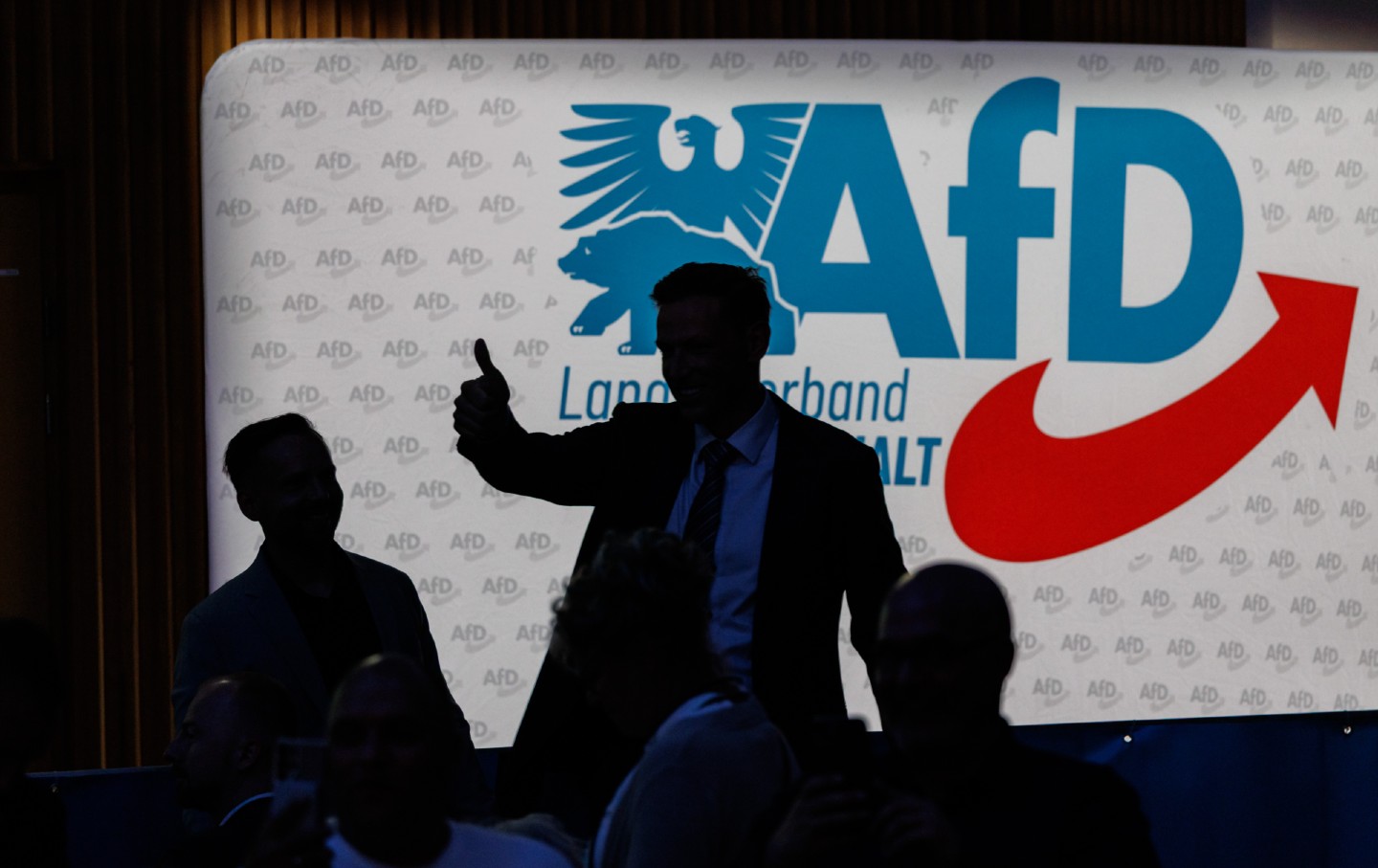
A recent commentary published by The Nation posits that the European Union’s reliance on technocratic governance and rigid economic spreadsheets is a primary driver behind the resurgence of far-right political parties across the continent. The author, Lev Golinkin, argues that by prioritizing institutional stability and fiscal metrics over the immediate needs and cultural concerns of local populations, the EU has created a sense of disenfranchisement among working-class voters.
According to the article, this disconnect between Brussels-based policy and the lived experiences of citizens allows populist movements to frame themselves as the only authentic defenders of national sovereignty and economic security. The piece suggests that the EU’s current approach lacks the necessary political agility to address the grievances that drive voters toward nationalist platforms. While the article identifies the EU's administrative culture as a catalyst for political instability, it does not provide specific policy alternatives or counter-arguments from EU officials regarding the necessity of these fiscal frameworks. The analysis focuses primarily on the sociological and political consequences of EU policy rather than providing a detailed breakdown of the economic data itself.
📡 Media Analysis
How each outlet framed the story — angles, word choices, and what they chose to push or ignore.
Blames institutional bureaucracy for the rise of nationalist movements.
"Let Them Eat Spreadsheets"
✓ Only outlet to report: Links the specific metaphor of 'spreadsheets' to the alienation of the European electorate.
⚡ Where Sources Disagree
- ·The article assumes a direct causal link between EU fiscal policy and far-right electoral success without citing specific polling data or electoral studies.
🔍 What Nobody's Reporting
- ·Lack of perspective from EU officials or proponents of the current fiscal policy.
- ·Absence of specific economic data or case studies to support the claim that spreadsheets are the primary driver of political shifts.
📰 Sources
0 A-rated source(s) among 1 total. Lowest trust: The Nation (B)