
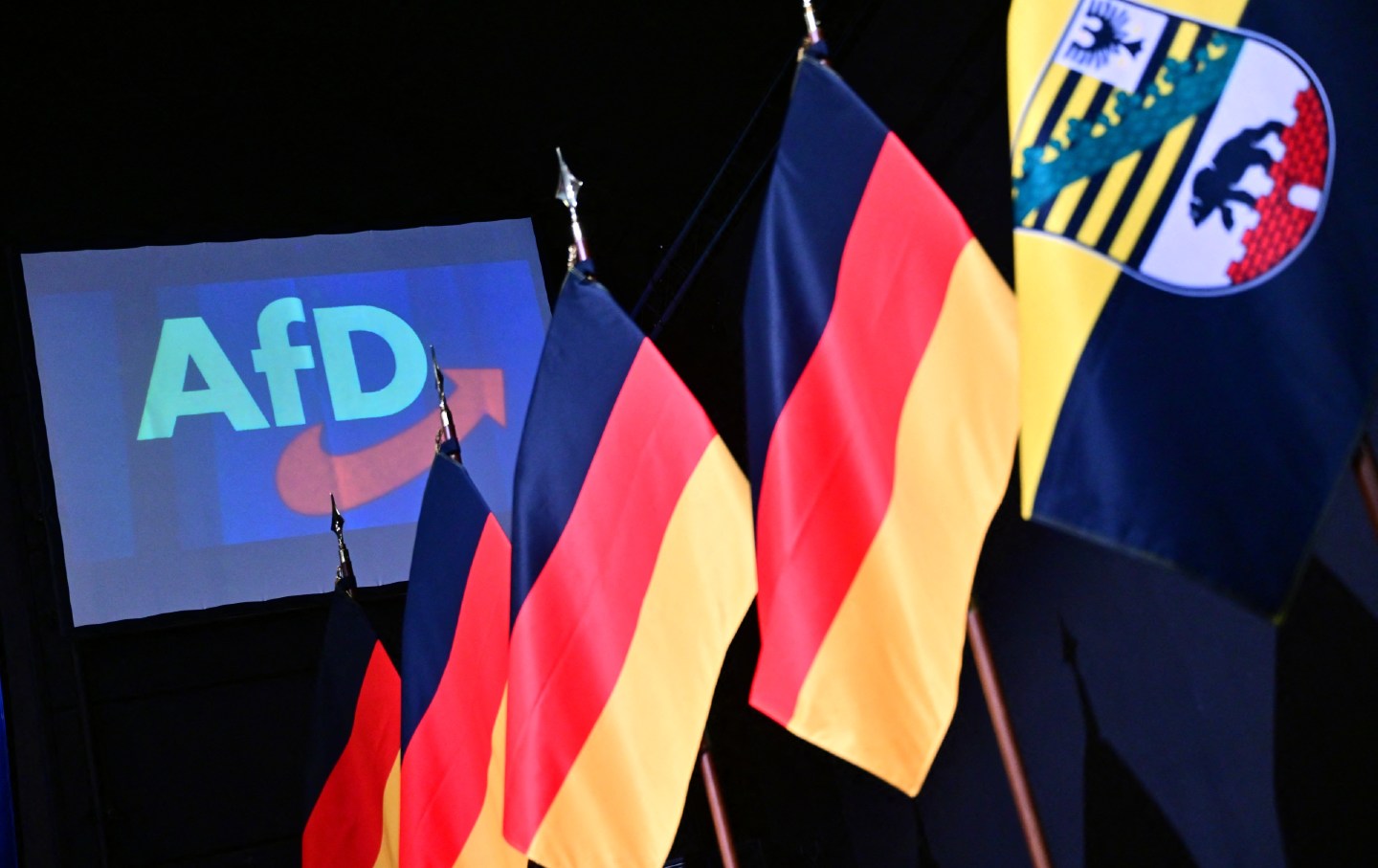
Analysis of the AfD's Political Gains Amidst the Ukraine Conflict
Recent political analysis suggests the Alternative for Germany (AfD) party is experiencing a surge in popularity linked to the ongoing fallout from the war in Ukraine. While multiple factors influence German election results, the party's stance on the conflict is cited as a significant contributor to its current standing.
The Alternative for Germany (AfD) has seen a marked increase in its political influence, positioning itself as a major force in the German electoral landscape. Political analysts are currently examining the extent to which the war in Ukraine and the subsequent domestic backlash have fueled this rise. While the party’s growth is not attributed to a single cause, observers note that the AfD has effectively capitalized on public dissatisfaction regarding the economic and social consequences of the conflict.
There is ongoing debate regarding the primary drivers of this shift. Some analysts argue that the AfD’s specific rhetoric concerning energy prices, inflation, and military support for Ukraine has resonated with voters who feel alienated by the current government's policies. Conversely, other political commentators suggest that the party’s rise is part of a broader, long-term trend of populism that predates the invasion of Ukraine, arguing that the war serves more as a catalyst than a root cause. The Nation reports that while the war’s impact is undeniable, it is important to avoid monocausal explanations, as the party’s success is a convergence of various domestic grievances. The discourse remains focused on whether the AfD’s current polling reflects a permanent realignment of the German electorate or a temporary protest vote against the establishment’s handling of the geopolitical crisis.
📡 Media Analysis
How each outlet framed the story — angles, word choices, and what they chose to push or ignore.
Framed the AfD's rise as a calculated exploitation of public frustration stemming from the war.
"monocausal"
✓ Only outlet to report: Explicitly cautioned against attributing the party's success solely to the Ukraine war, noting the complexity of election results.
⚡ Where Sources Disagree
- ·The extent to which the Ukraine war is the primary driver of AfD support versus pre-existing domestic political trends.
🔍 What Nobody's Reporting
- ·Lack of specific polling data or electoral statistics to quantify the 'backlash' mentioned.
- ·Absence of a counter-perspective from AfD representatives or their supporters regarding their own motivations.
📰 Sources
0 A-rated source(s) among 1 total. Lowest trust: The Nation (B)