
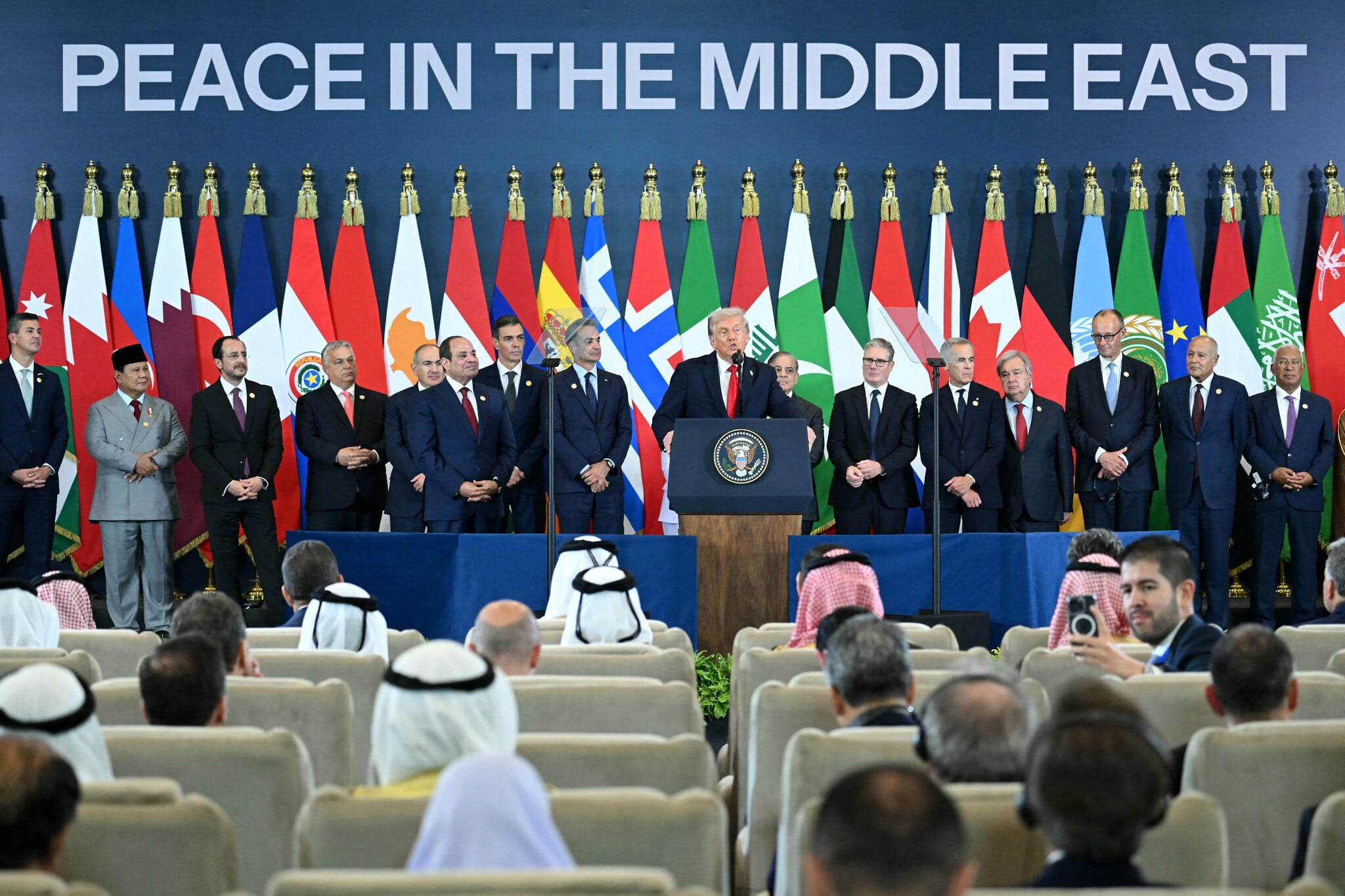
Analysis of the Proposed Gaza Disarmament Deal and Its Political Implications
A proposed disarmament deal for Gaza has emerged, sparking debate over its feasibility and potential impact on Israeli Prime Minister Benjamin Netanyahu's political future. While the agreement's specifics remain under scrutiny, observers are divided on whether the deal serves as a diplomatic breakthrough or a source of domestic political instability.
A new proposal regarding the disarmament of Gaza has become a focal point of international and domestic political discourse. The deal, often associated with the Trump administration's broader regional strategy, has prompted varied reactions regarding its implementation and long-term viability.
The Times of Israel suggests that the agreement creates a complex paradox for Prime Minister Benjamin Netanyahu. According to their analysis, the deal provides ammunition for both Netanyahu’s supporters and his political opponents, as the prospect of disarmament validates different ideological viewpoints. However, the outlet notes that the timing of the deal—occurring as an election approaches—could create significant political liabilities for the Prime Minister, regardless of whether the agreement is successfully implemented.
Haaretz provides a more granular look at the mechanics of the proposal, focusing on the specific contents of the deal and identifying what they characterize as missing elements. Their analysis centers on the strategic question of Netanyahu's next move, questioning how he will navigate the pressure to adopt or reject the terms of the agreement. While the Times of Israel focuses on the domestic political fallout for the Prime Minister, Haaretz emphasizes the structural gaps within the deal itself, framing the situation as a test of Netanyahu's decision-making in the face of international pressure. Both outlets agree that the deal is a high-stakes development, though they diverge on whether the primary concern is the political survival of the Israeli leadership or the practical shortcomings of the disarmament plan itself.
📡 Media Analysis
How each outlet framed the story — angles, word choices, and what they chose to push or ignore.
Focused on how the deal functions as a political weapon for both sides of the Israeli electorate.
"spell trouble for Netanyahu"
✓ Only outlet to report: Highlighted that the deal's existence validates both the Prime Minister and his critics simultaneously.
Examined the technical feasibility of the deal and questioned the Prime Minister's strategic competence.
"what's missing"
✓ Only outlet to report: Explicitly framed the report as an analysis of the deal's internal gaps and missing components.
⚡ Where Sources Disagree
- ·The outlets disagree on whether the deal's primary significance is its political utility (Times of Israel) or its technical/strategic shortcomings (Haaretz).
🔍 What Nobody's Reporting
- ·Neither outlet provided the specific text or concrete terms of the disarmament deal.
- ·There is no mention of the reaction from Palestinian leadership or Gaza-based stakeholders regarding the proposal.
📰 Sources
0 A-rated source(s) among 2 total. Lowest trust: Times of Israel (B)