
Analysts Question Reliability of U.S. Support for India in Potential China Border Conflicts
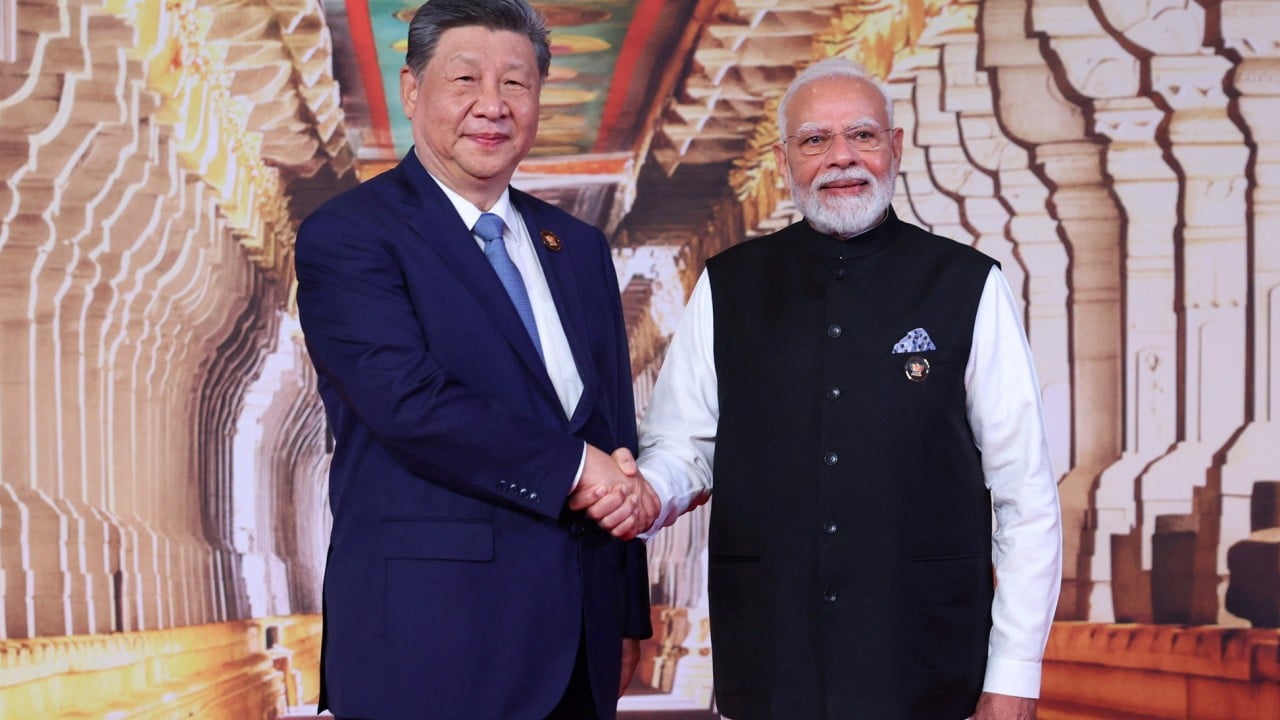
Following a recent meeting between Indian Prime Minister Narendra Modi and Chinese President Xi Jinping, observers are debating the role of the United States in regional security. The discussion centers on whether U.S. foreign policy remains too transactional to guarantee support for India during future border disputes with China.
Following the recent BRICS summit, where Indian Prime Minister Narendra Modi and Chinese President Xi Jinping met to discuss stabilizing their disputed border and improving economic cooperation, international analysts have turned their attention to the influence of the United States. While both India and China publicly committed to maintaining peace, the diplomatic atmosphere remains heavily influenced by the presence of the U.S. as a third-party factor in the region.
There is significant debate regarding the nature of the U.S.-India partnership. Some analysts argue that the U.S. views its alliances through a strictly transactional lens, raising questions about whether Washington would provide meaningful assistance to New Delhi if border tensions with Beijing were to escalate into a crisis. Conversely, others suggest that the U.S. considers India a vital strategic partner in the Indo-Pacific, making support in a conflict scenario a matter of American national interest.
The Chinese government’s official readout of the meeting highlighted the U.S. factor, framing it as a point of contention in India-China relations. While India seeks to maintain strategic autonomy, the pressure to balance its relationship with Washington against its immediate security concerns with Beijing remains a central challenge. The core of the disagreement among experts lies in whether the U.S. is a reliable security guarantor or merely a partner of convenience that prioritizes its own economic and political objectives over regional stability.
📡 Media Analysis
How each outlet framed the story — angles, word choices, and what they chose to push or ignore.
Focused on the geopolitical tension between India and China with the U.S. as an looming, uncertain variable.
"transactional"
✓ Only outlet to report: Reported on the specific Chinese government readout that explicitly highlighted the U.S. factor following the Modi-Xi meeting.
⚡ Where Sources Disagree
- ·Whether the U.S. would prioritize its own transactional interests over a security commitment to India during a border crisis.
🔍 What Nobody's Reporting
- ·Lack of official comment or perspective from the U.S. State Department regarding their stance on India-China border security.
- ·Absence of specific details regarding the 'economic ties' mentioned in the joint commitment.
📰 Sources
0 A-rated source(s) among 1 total. Lowest trust: SCMP (B)