
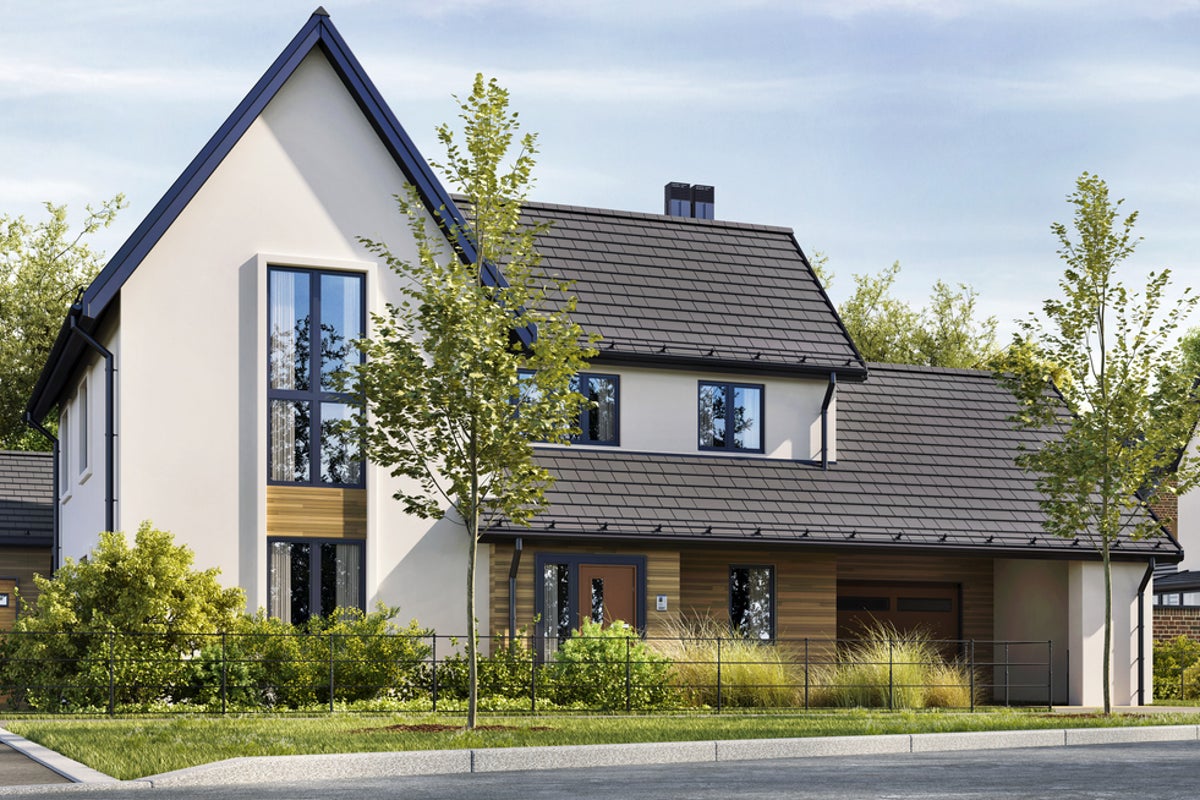
Ancient Mediterranean architectural techniques proposed as solutions for modern home cooling
As heatwaves become more frequent in Britain, experts are looking to traditional Mediterranean building methods to improve home cooling. These historical practices focus on passive design rather than energy-intensive air conditioning.
With rising global temperatures and record-breaking heatwaves impacting regions like Britain, architects and climate experts are revisiting traditional Mediterranean building techniques to manage indoor temperatures. Historically, Mediterranean homes were designed to stay cool through passive cooling strategies, which are increasingly being viewed as sustainable alternatives to modern air conditioning systems.
Key techniques highlighted include the use of thick stone or masonry walls, which provide high thermal mass. These materials absorb heat during the day and release it slowly at night, keeping interiors stable. Additionally, the strategic use of small windows, shutters, and light-colored exterior finishes helps reflect solar radiation and minimize heat gain. Cross-ventilation, often facilitated by internal courtyards or high ceilings, is another cornerstone of this design philosophy, allowing hot air to escape while drawing in cooler breezes.
While modern British homes are often built to retain heat for winter efficiency, the shift toward Mediterranean-style cooling suggests a need for architectural adaptation. Experts argue that retrofitting homes with external shading, improved insulation, and natural ventilation could significantly reduce the reliance on electricity-heavy cooling units. However, the transition faces challenges, as many existing structures in Northern Europe are designed specifically to maximize sunlight and heat retention, making the implementation of these ancient methods a complex engineering task rather than a simple aesthetic change.
📡 Media Analysis
How each outlet framed the story — angles, word choices, and what they chose to push or ignore.
Frames ancient architecture as a necessary, eco-friendly solution to modern climate-driven heat crises.
"lessons for modern Britain"
🔍 What Nobody's Reporting
- ·Lack of cost-benefit analysis for retrofitting existing British housing stock.
- ·No discussion of potential conflicts between these cooling methods and current energy-efficiency regulations for winter heating.
📰 Sources
0 A-rated source(s) among 1 total. Lowest trust: The Independent (B)