
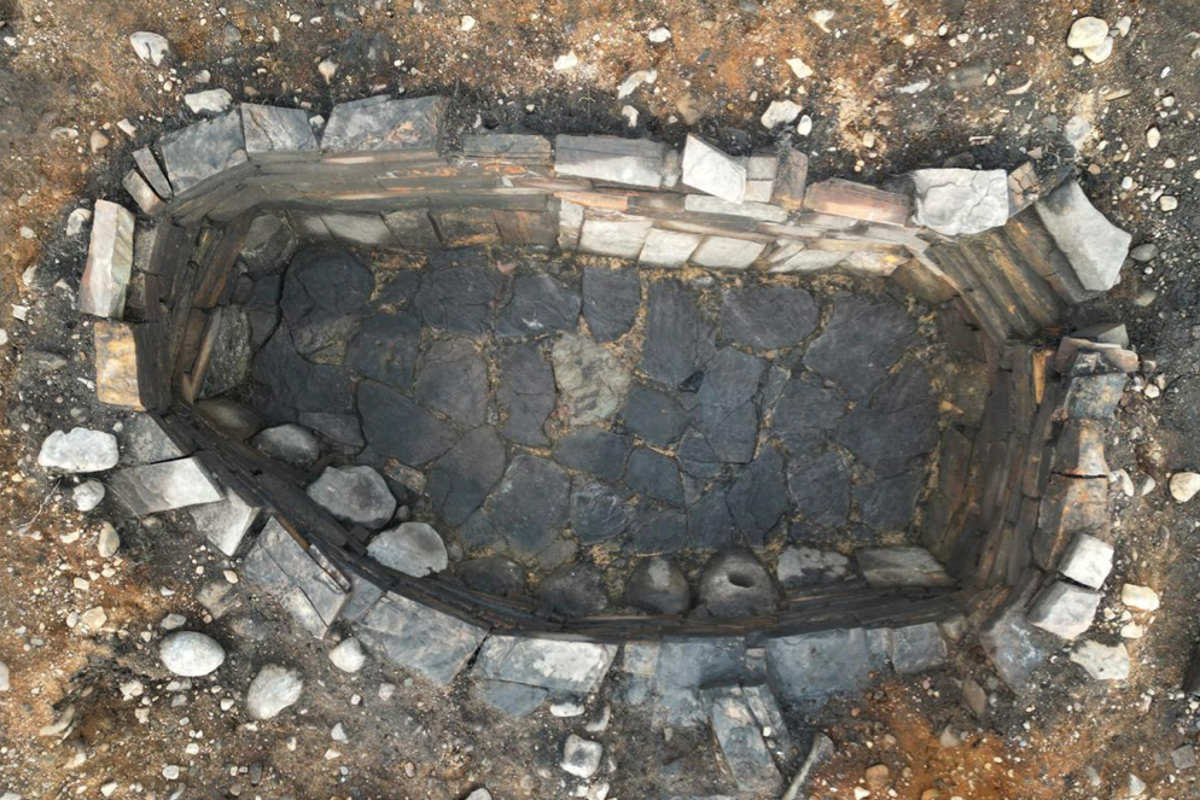
Archaeologists discover 2,000-year-old human remains in Scottish well
Researchers in northern Scotland have recovered human remains from an Iron Age well. Evidence suggests the body was placed in the structure deliberately rather than falling in by accident.
Archaeologists working in northern Scotland have uncovered human remains dating back approximately 2,000 years. The discovery was made at the bottom of an ancient well, a site that experts believe served a specific purpose during the Iron Age.
According to researchers, the positioning of the body indicates that it was placed in the well intentionally. This finding is considered significant because burials of this nature from the Iron Age in this region are historically rare. While the exact circumstances surrounding the death and the subsequent placement of the body remain under investigation, the team emphasizes that the evidence points away from an accidental fall. The discovery provides new insight into the burial customs and ritualistic behaviors of Iron Age communities in Scotland, though the specific cultural context of the act is still being analyzed by historians and forensic experts.
📡 Media Analysis
How each outlet framed the story — angles, word choices, and what they chose to push or ignore.
Focused on the archaeological significance of the discovery while highlighting the rarity of the burial method.
"deliberately placed there"
🔍 What Nobody's Reporting
- ·Lack of specific information regarding the age, sex, or health status of the remains.
- ·Absence of details concerning the exact location or the specific archaeological team leading the excavation.
📰 Sources
0 A-rated source(s) among 1 total. Lowest trust: The Independent (B)