
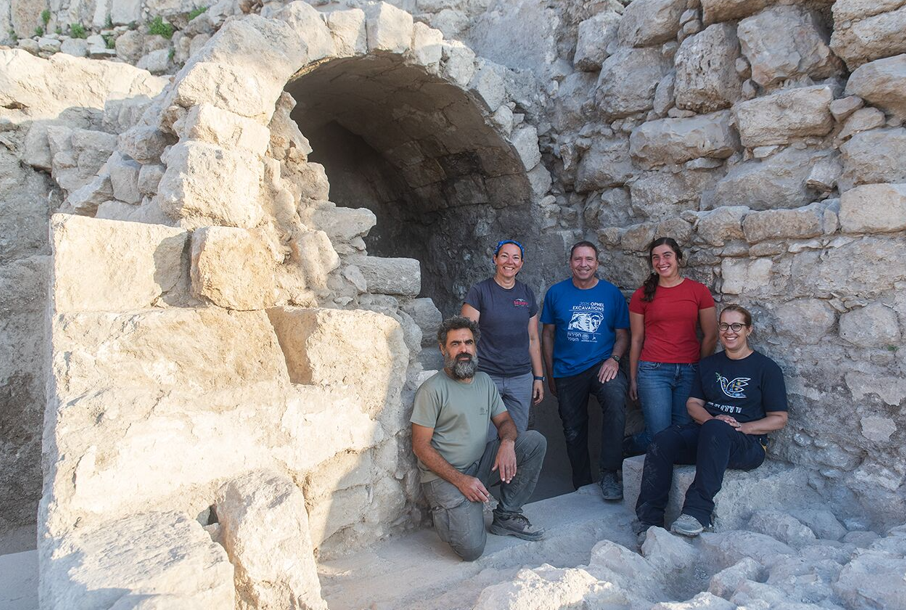
Archaeologists Uncover Ancient Ritual Bath Complex Near Jerusalem's Temple Mount
Archaeologists have discovered three large ritual baths, or mikvehs, dating back to approximately 10 CE at the foot of the Temple Mount. The site is believed to have served Jewish pilgrims visiting the Second Temple during major religious festivals.
A significant archaeological discovery has been made at the base of the Temple Mount in Jerusalem, where researchers have unearthed a complex consisting of three large ritual baths, known as mikvehs. These structures date back to approximately 10 CE, a period corresponding to the era of the Second Temple.
According to the findings, the proximity of these baths to the Temple Mount suggests they were designed to accommodate the large numbers of Jewish pilgrims who traveled to Jerusalem for major religious festivals. Ritual immersion was a required practice for those entering the Temple complex, and the discovery provides new physical evidence regarding the logistical infrastructure required to support the massive influx of visitors during that time.
While the discovery is being framed as a rare glimpse into the daily lives and religious practices of the period, the report focuses primarily on the utility of the baths for mass pilgrimage. The site offers researchers a clearer understanding of how the city managed the ritual purity requirements of thousands of people simultaneously. No conflicting reports or alternative interpretations of the site's function have been presented by other outlets at this time, as the discovery is currently being analyzed by the relevant archaeological authorities.
📡 Media Analysis
How each outlet framed the story — angles, word choices, and what they chose to push or ignore.
Highlighted the historical significance of the find in relation to Jewish pilgrimage traditions.
"rare glimpse"
🔍 What Nobody's Reporting
- ·Lack of information regarding the specific archaeological team or institution responsible for the excavation.
- ·Absence of details concerning the current state of preservation or future plans for public access to the site.
📰 Sources
0 A-rated source(s) among 1 total. Lowest trust: Times of Israel (B)