
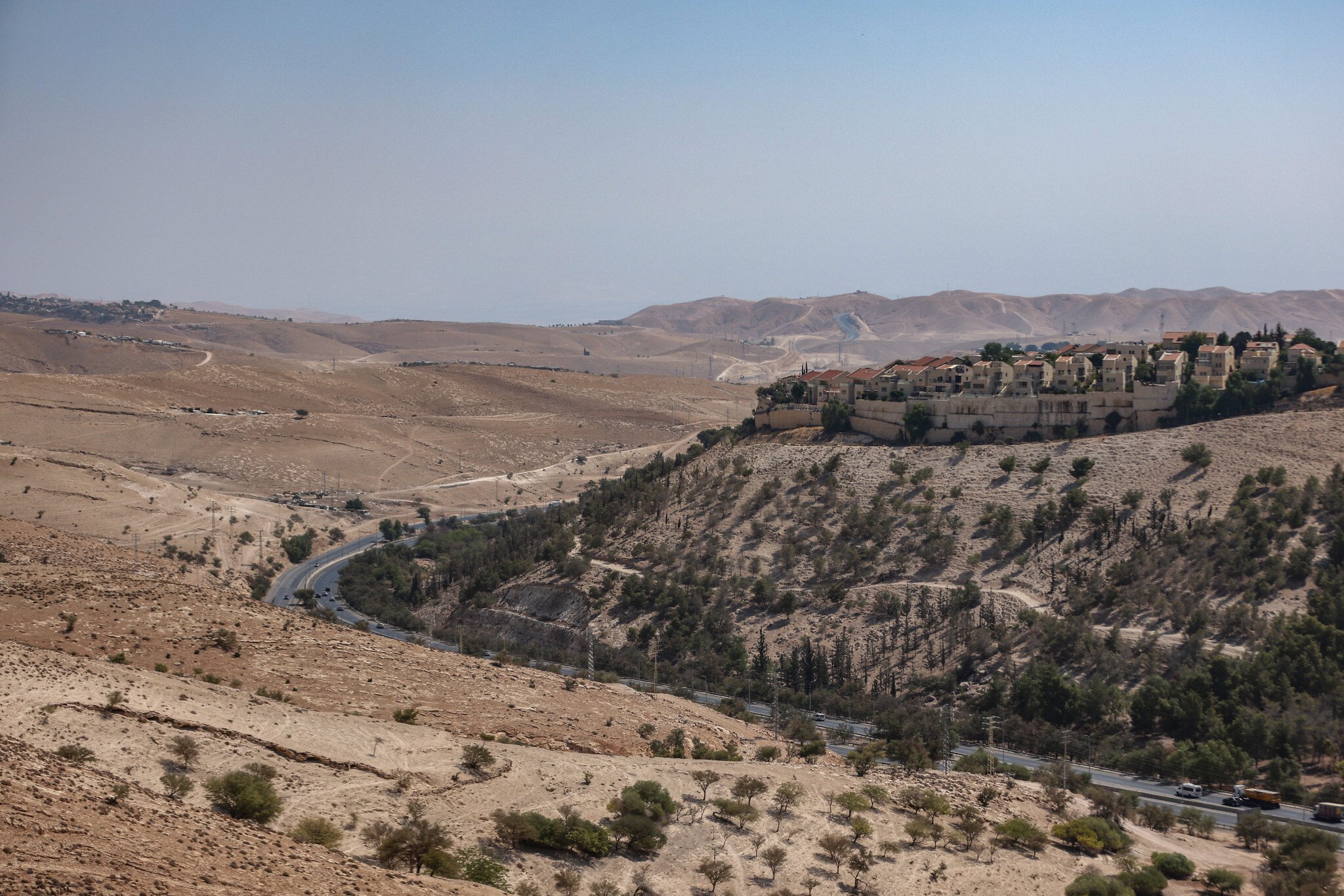
Attorney General Allows Submission of Tenders for E1 Settlement Project
Israel’s Attorney General has shifted policy to allow the submission of tender applications for construction in the E1 area. While the office previously requested a total freeze until after the October national election, it will now permit the application process to proceed while delaying the final decision on awarding contracts.
Israel’s Attorney General has modified the government’s approach to the controversial E1 settlement plan, located in the West Bank between Jerusalem and Ma’ale Adumim. Previously, the Attorney General’s office had insisted that all processes related to the project be postponed until after the national elections scheduled for October.
Under the new directive, the government is permitted to accept and process tender applications for construction projects in the area. However, the Attorney General has maintained a restriction on the final stage of the process: the actual awarding of the contracts. By allowing the submission phase to move forward, the government can continue administrative preparations for the project, even though the final decision on which companies will carry out the work remains frozen until the political landscape settles following the election.
This decision represents a middle-ground approach between a total freeze and an immediate green light for construction. The E1 project has long been a point of international contention, as critics argue that building in this corridor would effectively bisect the West Bank and complicate the possibility of a contiguous future Palestinian state. Supporters of the project argue that it is necessary for the expansion of Ma’ale Adumim and the strengthening of Israeli presence in the region. The Attorney General’s office has not provided a detailed public justification for the timing of this shift, but the move allows the administrative machinery of the project to advance without committing the state to final contracts during the sensitive pre-election period.
📡 Media Analysis
How each outlet framed the story — angles, word choices, and what they chose to push or ignore.
Focused on the administrative shift in policy while noting the specific limitations placed on the project.
"eases stance"
🔍 What Nobody's Reporting
- ·Lack of comment or reaction from Palestinian leadership or international observers regarding the policy change.
- ·No explanation provided for why the Attorney General decided to change the stance at this specific time.
📰 Sources
0 A-rated source(s) among 1 total. Lowest trust: Times of Israel (B)