
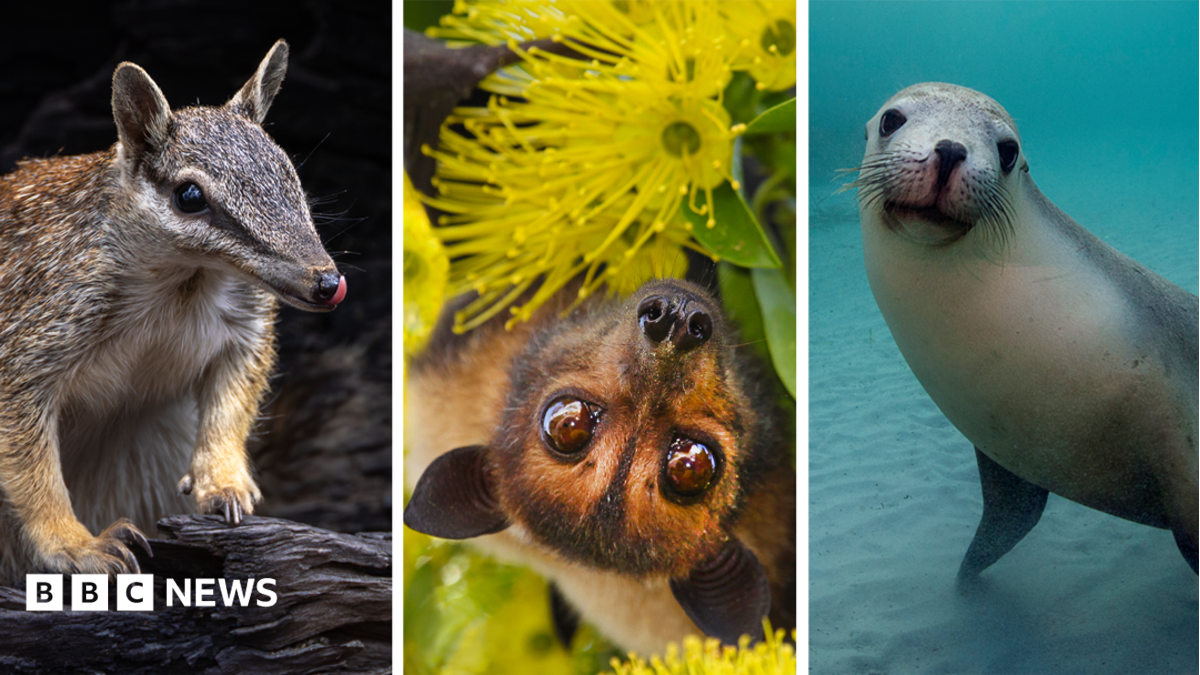
Australia Identified as Global Leader in Species Extinction Rates
Australia is currently experiencing one of the highest rates of species extinction in the world. Despite this trend, conservationists are highlighting specific success stories that provide a potential path forward for biodiversity protection.
Australia is facing a significant ecological crisis, with recent data identifying the nation as a global hotspot for species extinction. The country’s unique evolutionary history has resulted in a high concentration of endemic species—animals found nowhere else on Earth—which are now disappearing at an alarming rate due to habitat loss, invasive species, and climate change.
While the overall trend remains negative, conservation efforts are focusing on specific animals that serve as indicators of potential recovery. Experts suggest that targeted interventions, such as predator control and habitat restoration, can stabilize populations that were previously on the brink of collapse. These success stories are being used by environmental groups to advocate for broader policy changes and increased funding for national conservation programs.
There is some debate regarding the primary drivers of this extinction crisis. Some environmental organizations point to industrial land clearing and government policy as the main culprits, while others emphasize the uncontrollable spread of invasive species like feral cats and foxes. The BBC report highlights that while the situation is dire, the survival of certain species provides a 'glimmer of hope' that extinction is not an inevitable outcome for all threatened Australian wildlife.
📡 Media Analysis
How each outlet framed the story — angles, word choices, and what they chose to push or ignore.
Balanced the grim reality of extinction rates with a focus on conservation success stories.
"glimmer of hope"
⚡ Where Sources Disagree
- ·The relative impact of human-led land development versus invasive species in driving extinction rates.
🔍 What Nobody's Reporting
- ·Lack of specific data or statistics regarding which animal species are currently considered the most at-risk.
- ·Absence of government response or current legislative status regarding biodiversity protection.
📰 Sources
1 A-rated source(s) among 1 total. Lowest trust: BBC News (A)