
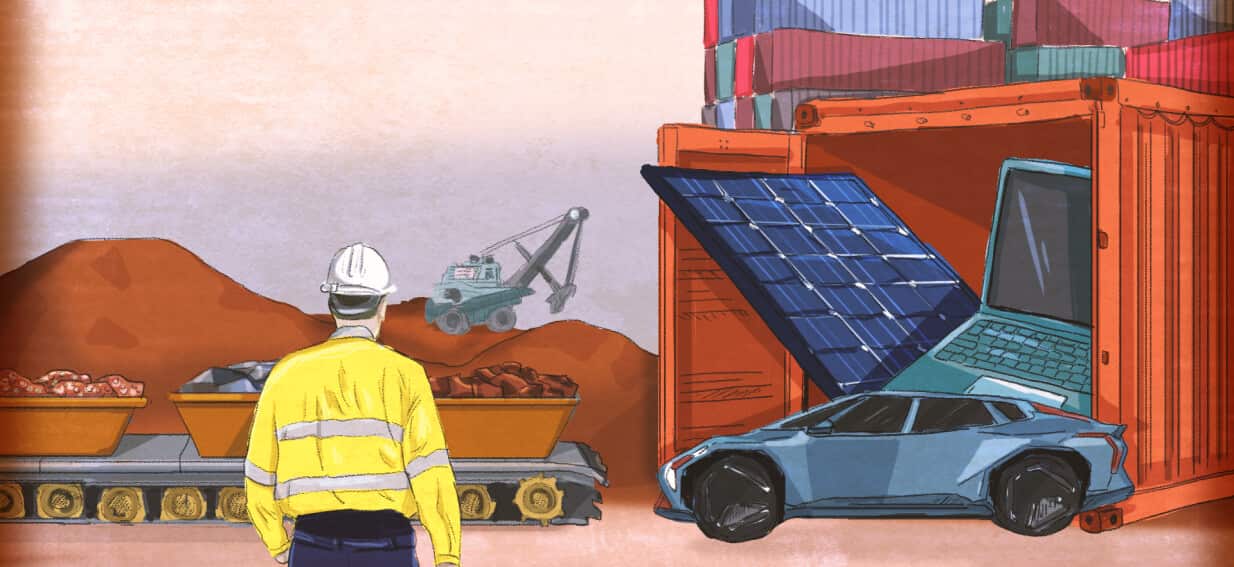
Australia's Economic Model: Exporting Raw Materials and Importing Finished Goods
Australia maintains a trade model heavily reliant on exporting raw natural resources while importing a significant portion of its finished consumer and industrial goods. This structure raises questions about the country's domestic manufacturing capacity and long-term economic independence.
Australia’s current economic framework is defined by a heavy reliance on the export of raw materials, such as iron ore, coal, and natural gas. These commodities are sent abroad to be processed and manufactured into finished products, which are then imported back into the Australian market for domestic consumption. This cycle has sparked a national conversation regarding the country's industrial strategy and its vulnerability to global supply chain fluctuations.
Proponents of the current model argue that Australia’s comparative advantage lies in its vast natural resource wealth, allowing it to generate significant national income by serving as a primary supplier to global markets. By focusing on extraction, the nation maximizes its immediate economic output. However, critics point to the 'hollowing out' of domestic manufacturing. They argue that by failing to process these raw materials locally, Australia misses out on the higher value-added profits associated with finished goods and remains overly dependent on foreign manufacturing hubs.
There is a growing debate over whether this trade imbalance is a sustainable long-term strategy. Some economists suggest that the lack of domestic manufacturing capacity leaves the country exposed to price volatility and supply shortages, as seen during recent global disruptions. Others maintain that attempting to force domestic manufacturing would be economically inefficient given Australia's high labor costs and relatively small domestic market. The central tension remains between leveraging natural resource wealth for immediate gain versus investing in a more self-sufficient industrial base.
📡 Media Analysis
How each outlet framed the story — angles, word choices, and what they chose to push or ignore.
Framed the economic model as a puzzling contradiction that warrants public inquiry.
"ships out its wealth"
⚡ Where Sources Disagree
- ·Whether the current trade model is a strategic choice based on comparative advantage or a failure of industrial policy.
🔍 What Nobody's Reporting
- ·Lack of specific data regarding the percentage of raw materials currently processed domestically versus exported.
- ·Absence of perspectives from government officials or industry leaders regarding potential policy shifts.
📰 Sources
0 A-rated source(s) among 1 total. Lowest trust: SBS News (B)