
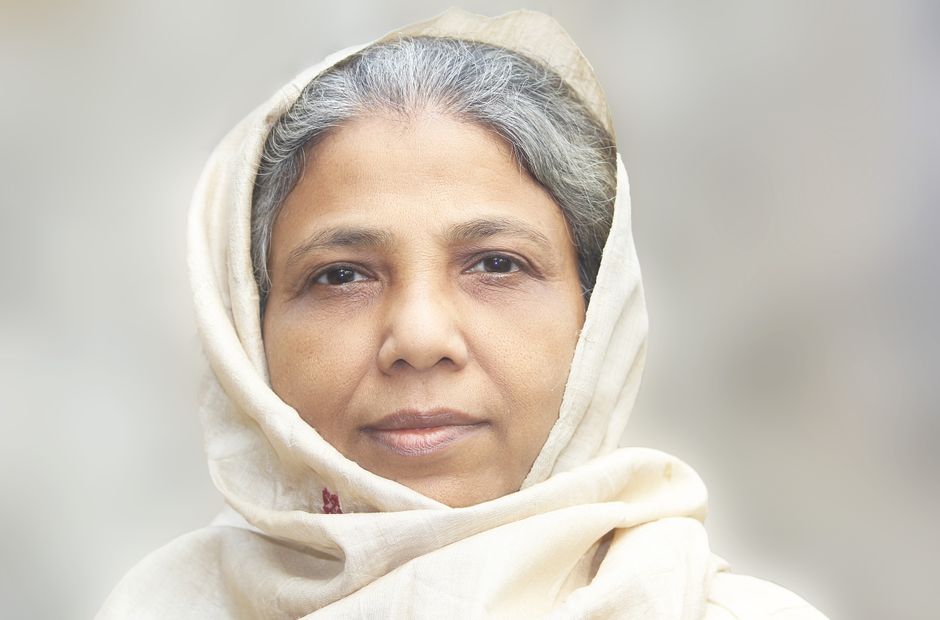
Author Taslima Nasrin Advocates for Uniform Civil Code and Madrasa Bans
Exiled Bangladeshi author Taslima Nasrin has publicly called for the implementation of a Uniform Civil Code (UCC) across the Indian subcontinent. She further advocated for a total ban on madrasas, arguing they are detrimental to secular education.
Taslima Nasrin, a writer known for her controversial views on religion and women's rights, recently issued a statement calling for significant legal and educational reforms throughout the Indian subcontinent. Her primary proposal is the adoption of a Uniform Civil Code (UCC), a legal framework that would replace personal religious laws with a single set of secular laws governing marriage, divorce, inheritance, and adoption for all citizens regardless of their faith.
In addition to her stance on civil law, Nasrin expressed strong opposition to the existence of madrasas. She argued that these religious schools should be banned, suggesting that they hinder the development of a modern, secular educational environment. Nasrin, who has lived in exile for decades due to threats from religious extremists, framed these proposals as necessary steps toward modernization and equality in the region.
While Nasrin’s comments have sparked debate, the reporting on her statements remains limited. There is currently no information regarding the specific legislative pathways she envisions for these changes, nor has there been a broad response from regional governments or religious organizations. The discourse surrounding her remarks highlights the ongoing tension between secularist advocacy and traditional religious practices in South Asian politics.
📡 Media Analysis
How each outlet framed the story — angles, word choices, and what they chose to push or ignore.
Provided a brief, headline-driven summary of the author's demands without providing context or counter-arguments.
"wants ban on madrasas"
🔍 What Nobody's Reporting
- ·Lack of context regarding the current status of UCC debates in India or Bangladesh.
- ·Absence of reaction or commentary from religious scholars or human rights organizations.
- ·No explanation of the author's underlying reasoning or the specific problems she claims these policies would solve.
📰 Sources
0 A-rated source(s) among 1 total. Lowest trust: The Hindu (B)