
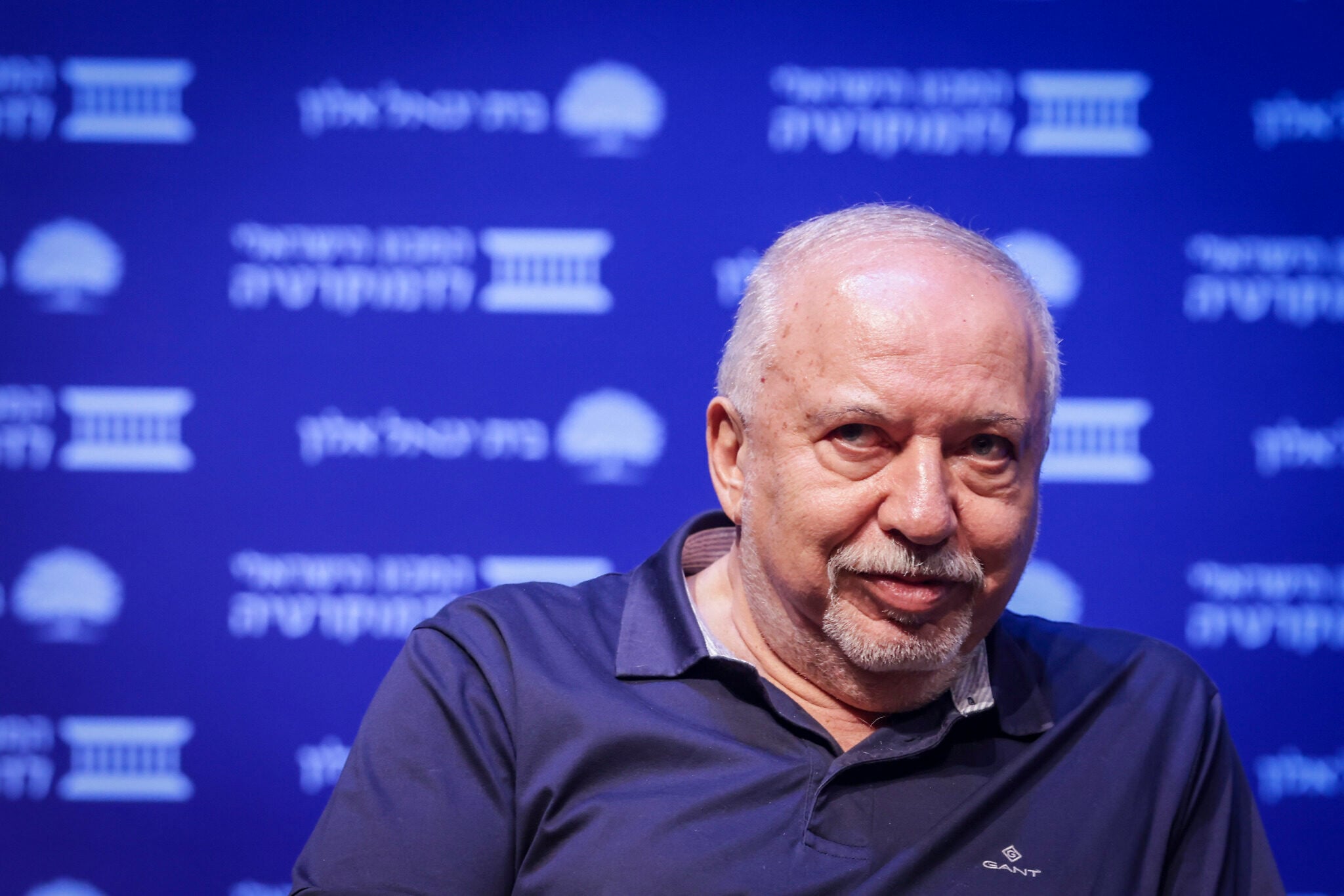
Avigdor Liberman’s Coalition Strategy Faces Criticism Over Potential Election Risks
Yisrael Beytenu chairman Avigdor Liberman has explicitly rejected forming a minority coalition that relies on support from Arab political parties. Critics argue this stance creates a political impasse that could force the country into another round of national elections.
Avigdor Liberman, leader of the Yisrael Beytenu party, has maintained a firm position regarding the formation of a new government, stating he will not participate in any coalition that depends on the support of Arab-majority parties. This refusal has become a central point of contention in current political negotiations, as it significantly limits the options for forming a stable governing majority.
According to reports from the Times of Israel, Liberman’s strategy appears to be predicated on the hope that members of the Likud party will defect, potentially allowing for a coalition that aligns with his right-wing platform. However, analysts suggest that this approach is effectively creating a legislative roadblock. By refusing to engage with certain factions while simultaneously waiting for internal shifts within his political rivals, Liberman is being accused of prioritizing his own political future over the immediate necessity of forming a government.
Critics of this strategy argue that Liberman’s rigidity is the primary factor pushing the nation toward another election cycle. While Liberman frames his position as a matter of ideological consistency, opponents suggest it is a calculated risk designed to maintain his influence within the right-wing bloc. The situation remains fluid, as the possibility of a center-left coalition is effectively neutralized by Liberman’s refusal to bridge the gap with Arab parties, leaving the current political landscape in a state of stalemate.
📡 Media Analysis
How each outlet framed the story — angles, word choices, and what they chose to push or ignore.
Framed Liberman’s political maneuvering as a self-serving obstacle to government stability.
"erecting a roadblock"
⚡ Where Sources Disagree
- ·Whether Liberman's refusal to work with Arab parties is a principled ideological stance or a tactical move to force Likud defectors.
🔍 What Nobody's Reporting
- ·Lack of comment or perspective from Liberman’s own party regarding the 'roadblock' characterization.
- ·Absence of input from Arab party representatives regarding their willingness to support a coalition under Liberman's conditions.
📰 Sources
0 A-rated source(s) among 1 total. Lowest trust: Times of Israel (B)