
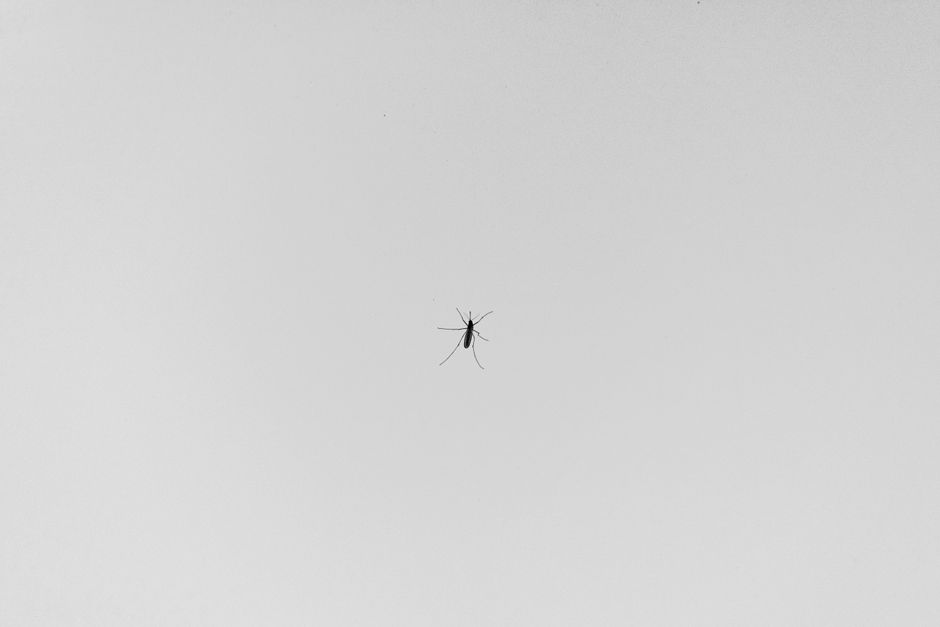
Backyard Mosquito Traps Linked to Reduced Flesh-Eating Disease Spread in Melbourne
Recent reports indicate that the implementation of backyard mosquito traps has successfully helped limit the transmission of Buruli ulcer in suburban Melbourne. This public health intervention highlights the effectiveness of localized mosquito control in managing the spread of the disease.
Public health efforts in Melbourne have focused on the use of backyard mosquito traps to mitigate the transmission of Buruli ulcer, a condition often referred to as a 'flesh-eating' disease. By targeting the mosquito population in residential areas, authorities and residents have aimed to disrupt the cycle of infection that has affected parts of the city.
The strategy relies on the premise that reducing the number of mosquitoes in close proximity to homes directly lowers the risk of human exposure to the bacteria responsible for the ulcer. While the disease is known for causing significant skin lesions and tissue damage, the localized approach to vector control has been presented as a practical solution for suburban environments.
There is a consensus among health observers that environmental management is a key component of disease prevention in this context. The initiative underscores a shift toward community-led or household-level interventions to complement broader public health policies. While the report from The Age highlights the success of these traps, it does not detail the specific scientific data or the exact scale of the reduction in disease cases, leaving the broader epidemiological impact somewhat generalized. The focus remains on the efficacy of the traps as a primary tool for residents to protect themselves and their neighbors from the spread of the infection.
📡 Media Analysis
How each outlet framed the story — angles, word choices, and what they chose to push or ignore.
Highlighted a specific local health success story without providing deep technical or statistical context.
"flesh-eating disease"
🔍 What Nobody's Reporting
- ·Lack of specific scientific data or peer-reviewed evidence supporting the claim that traps alone caused the reduction.
- ·Absence of information regarding the role of other environmental factors or public health initiatives in the area.
📰 Sources
0 A-rated source(s) among 1 total. Lowest trust: The Age (B)