
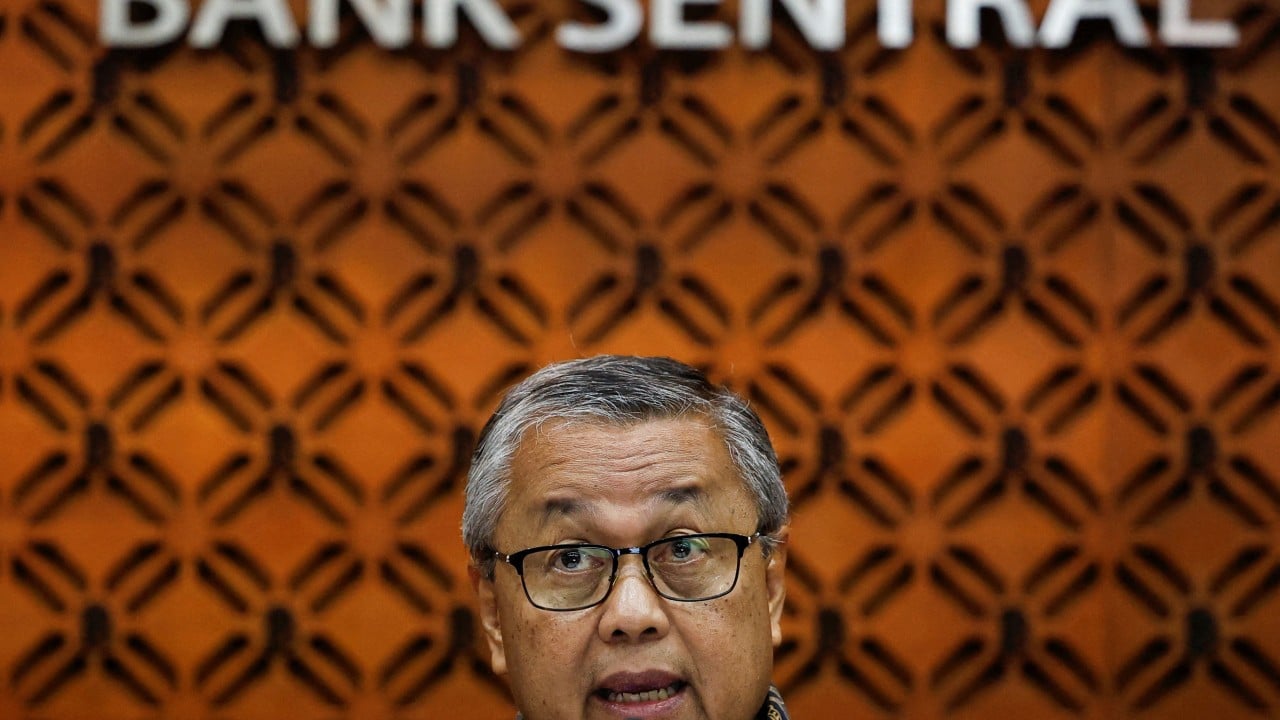
Bank Indonesia Governor's Departure Sparks Debate Over Economic Policy Direction
The resignation of Bank Indonesia Governor Perry Warjiyo has raised questions about the central bank's future interest rate strategy. Analysts suggest the move reflects a broader regional tension between controlling inflation and supporting ambitious government growth targets.
The unexpected departure of Bank Indonesia Governor Perry Warjiyo has brought the country's monetary policy strategy into the spotlight. According to market analysts, the resignation underscores the difficult balancing act currently facing central banks across Southeast Asia: choosing between raising interest rates to protect local currencies and curb inflation, or lowering them to stimulate economic activity.
There is ongoing speculation regarding the underlying cause of Warjiyo’s exit. Reports suggest that the governor may have faced significant pressure to align monetary policy with the aggressive economic growth agenda championed by President Prabowo Subianto. While the central bank is traditionally tasked with maintaining price stability, the political desire for rapid expansion often conflicts with the cautious approach required to manage currency volatility and inflation.
Analysts are currently divided on the implications of this leadership change. Some observers view the exit as a sign that the government intends to exert more influence over the central bank to ensure interest rates remain conducive to the president's growth goals. Others argue that the departure is a natural consequence of the mounting pressure to navigate a complex global economic environment, where regional central banks are increasingly forced to choose between defending their currencies or fueling domestic demand.
📡 Media Analysis
How each outlet framed the story — angles, word choices, and what they chose to push or ignore.
Framed the resignation as a symptom of the classic central bank struggle between inflation control and political growth mandates.
"fuelled speculation that he was under pressure"
✓ Only outlet to report: Linked the resignation specifically to the economic agenda of President Prabowo Subianto.
⚡ Where Sources Disagree
- ·The extent to which the resignation was a result of direct political pressure versus independent policy disagreement.
🔍 What Nobody's Reporting
- ·Lack of official comment or statement from the Indonesian government regarding the resignation.
- ·Absence of information regarding a successor or the interim leadership plan for Bank Indonesia.
📰 Sources
0 A-rated source(s) among 1 total. Lowest trust: SCMP (B)