
Beijing Shifts Focus Toward Stabilizing Existing Property Market Values
China’s property sector is undergoing a structural shift as secondary market home transactions now exceed new residential construction. Beijing is increasingly prioritizing the stability of existing home values over the rapid expansion that previously defined the industry.
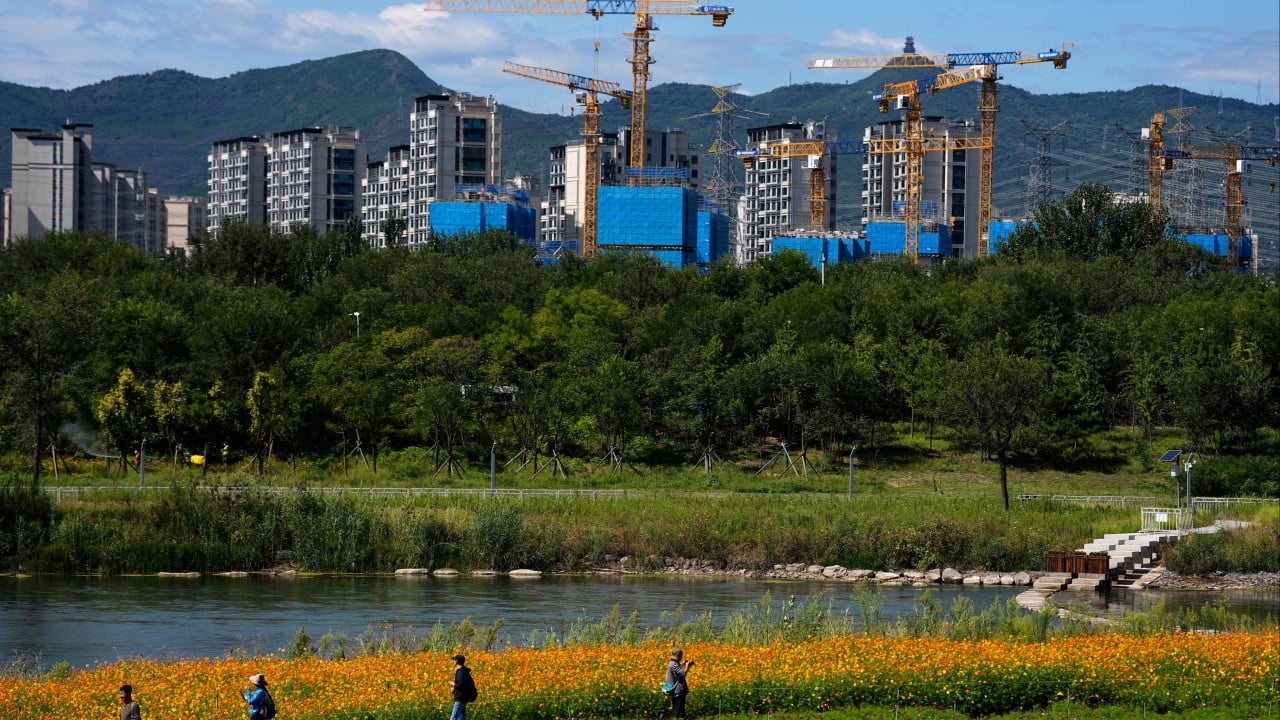
For decades, China’s real estate market was characterized by aggressive urban expansion, the conversion of farmland into suburbs, and the rapid growth of regional skylines. However, recent data from the National Bureau of Statistics indicates a fundamental change in the market's composition. As of September, the volume of secondary market home transactions has officially surpassed that of new residential builds, signaling a transition from a growth-oriented model to one focused on existing inventory.
This shift follows a period of significant instability marked by the financial collapse of several major, heavily indebted property developers. Analysts suggest that Beijing’s current policy priority is shifting toward protecting the value of existing homes to maintain social and economic stability. While the previous era was defined by the scale of new development, the current focus is on managing the health of the established housing stock. This transition is viewed as a quieter, yet more consequential, evolution of the Chinese economy. While the SCMP report highlights this data as a sign of maturity in the market, it notes that the transition comes after years of volatility that left many developers unable to sustain their debt loads. The government's new approach appears to be an attempt to prevent further market erosion by prioritizing the interests of current homeowners over the interests of developers seeking to initiate new, large-scale projects.
📡 Media Analysis
How each outlet framed the story — angles, word choices, and what they chose to push or ignore.
Framed the market shift as a natural, albeit consequential, evolution of China's economic strategy.
"a far quieter and more consequential transformation"
✓ Only outlet to report: Reported the specific September National Bureau of Statistics data confirming secondary market volume has overtaken new builds.
🔍 What Nobody's Reporting
- ·Lack of perspective from independent economists on whether this policy shift is actually succeeding.
- ·Absence of data regarding the impact of this shift on local government revenue, which historically relied on land sales.
📰 Sources
0 A-rated source(s) among 1 total. Lowest trust: SCMP (B)