
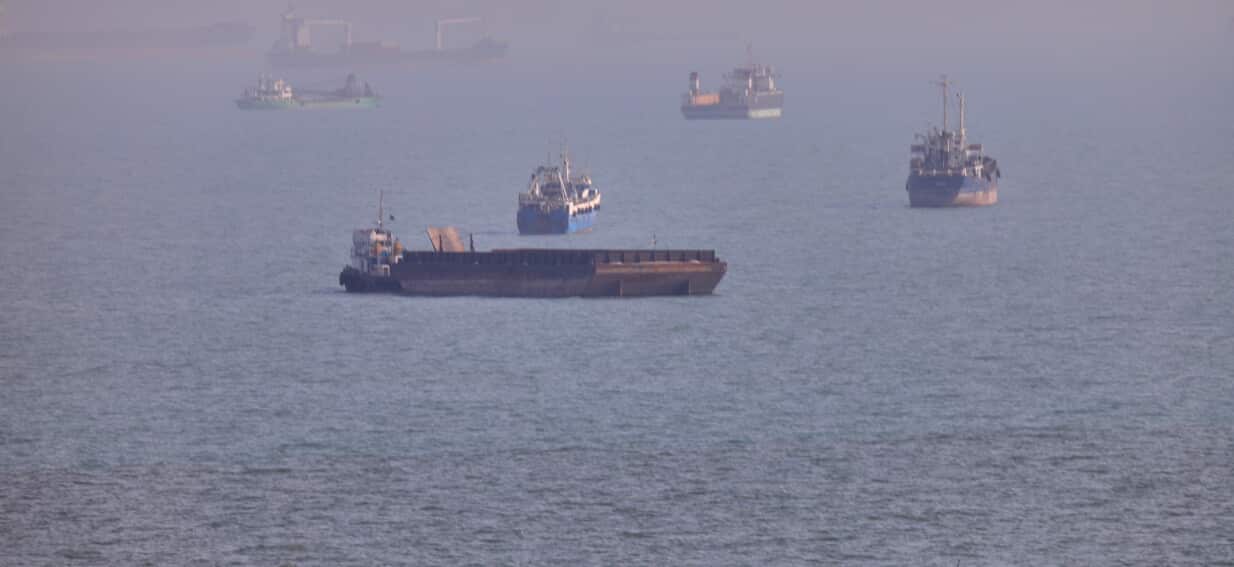
Biofouling on ships in the Strait of Hormuz poses potential biosecurity risk
Experts are warning that ships anchored for long periods in the Strait of Hormuz may accumulate invasive marine species on their hulls. This 'biofouling' could lead to the accidental introduction of non-native organisms into new ecosystems as vessels resume travel.
As geopolitical tensions or logistical bottlenecks cause ships to remain anchored for extended periods in the Strait of Hormuz, a secondary environmental concern has emerged: biofouling. Biofouling occurs when marine organisms, such as barnacles, algae, and mollusks, attach themselves to the submerged hulls of stationary vessels. When these ships eventually move to other ports, they risk transporting these species to new environments where they can become invasive, potentially disrupting local biodiversity and damaging maritime infrastructure.
While the phenomenon of biofouling is well-documented in maritime science, the specific risk associated with the Strait of Hormuz is gaining attention due to the high volume of traffic and the duration of ship idling in the region. According to reports, the accumulation of these organisms on hulls creates a 'floating ecosystem' that can survive long transits. Once a ship reaches its destination, these species may detach or spawn, introducing foreign biological matter into waters where they have no natural predators.
Environmental experts suggest that the primary challenge lies in the lack of standardized cleaning protocols for ships that have been stationary for long durations. While some international regulations exist to manage ballast water, which is a known vector for invasive species, hull biofouling remains a more difficult issue to regulate. The risk is compounded by the fact that the Strait of Hormuz serves as a critical global shipping artery, meaning that ships departing from the area travel to a diverse range of international ports, effectively spreading the potential biosecurity threat globally.
📡 Media Analysis
How each outlet framed the story — angles, word choices, and what they chose to push or ignore.
Highlighted a niche environmental threat stemming from maritime congestion.
"world's next biosecurity problem"
✓ Only outlet to report: Identified the Strait of Hormuz specifically as a high-risk zone for biofouling accumulation due to ship idling.
🔍 What Nobody's Reporting
- ·Lack of specific data on the current scale of biofouling in the Strait compared to other global shipping hubs.
- ·Absence of input from shipping industry representatives regarding the feasibility of immediate hull cleaning solutions.
📰 Sources
0 A-rated source(s) among 1 total. Lowest trust: SBS News (B)