
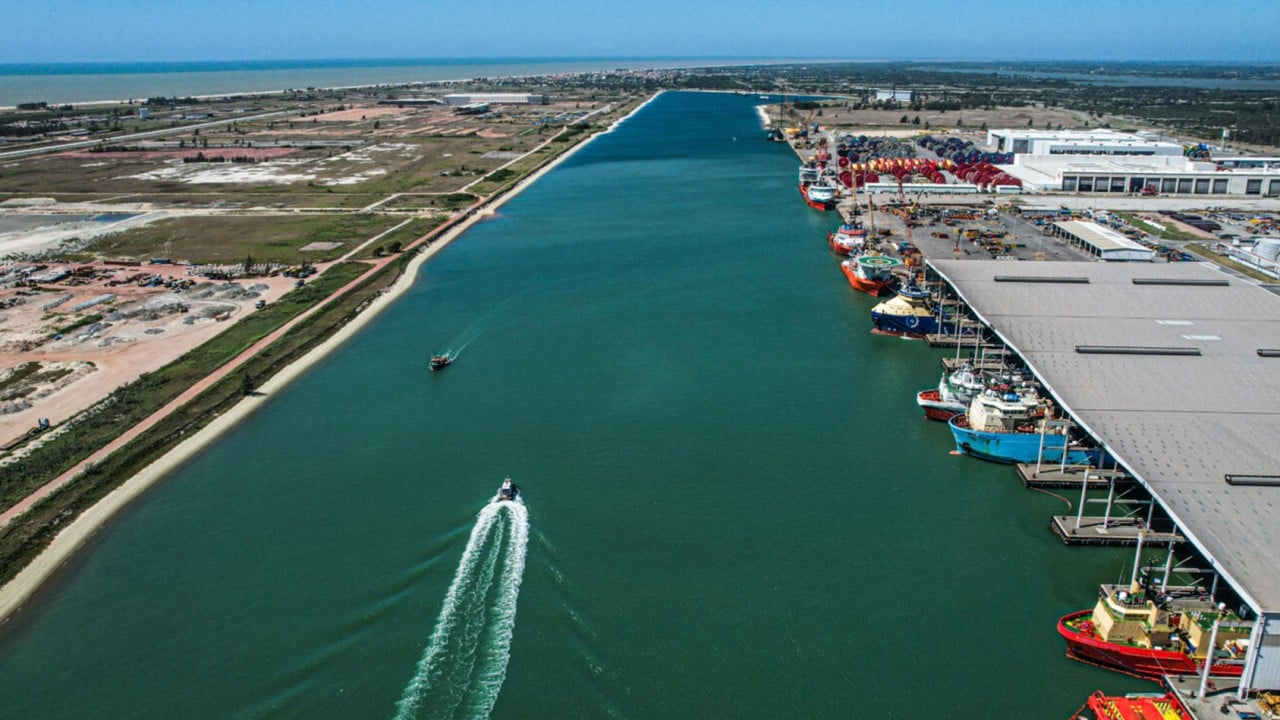
Brazil-China Trade Hits Record High Amid Global Oil Supply Shifts
Trade between Brazil and China reached a record $143 billion in the first nine months of the year. The increase was largely driven by a surge in Brazilian oil exports following supply disruptions in the Persian Gulf.
Trade relations between Brazil and China have reached a new peak, with total bilateral trade volume hitting $143 billion during the first nine months of the year. According to data from the Brazil-China Business Council, this record-breaking figure is underpinned by a 12% increase in Brazilian exports to China, which totaled $84.7 billion, and a 9.9% rise in imports from China, amounting to $58.6 billion.
A primary factor behind the export growth is the significant rise in Brazilian oil shipments to China. Analysts attribute this shift to the ongoing conflict involving Iran, which has disrupted traditional oil supply routes through the Strait of Hormuz. As global markets sought alternatives to Gulf-based energy sources, China increasingly turned to Brazil to meet its domestic demand, effectively purchasing half of Brazil's total oil exports during this period. The resulting trade surplus for Brazil stands at $26.1 billion.
While the report highlights the economic benefits of this trade partnership, it also underscores the sensitivity of global commodity markets to geopolitical instability. The reliance on Brazilian oil as a substitute for Gulf supply highlights how regional conflicts can rapidly reconfigure international trade flows, benefiting commodity-exporting nations like Brazil while deepening the economic integration between the South American nation and the Chinese market.
📡 Media Analysis
How each outlet framed the story — angles, word choices, and what they chose to push or ignore.
Focused on the geopolitical cause of the trade surge and the specific economic data.
"Iran war shut Hormuz"
✓ Only outlet to report: The specific detail that China bought half of Brazil's oil exports due to the Gulf supply disruption.
🔍 What Nobody's Reporting
- ·Lack of perspective from Iranian or Gulf-based energy analysts regarding the duration of these supply shifts.
- ·No information on whether this shift in oil dependency is viewed as a long-term strategic change or a temporary market reaction.
📰 Sources
0 A-rated source(s) among 1 total. Lowest trust: SCMP (B)