
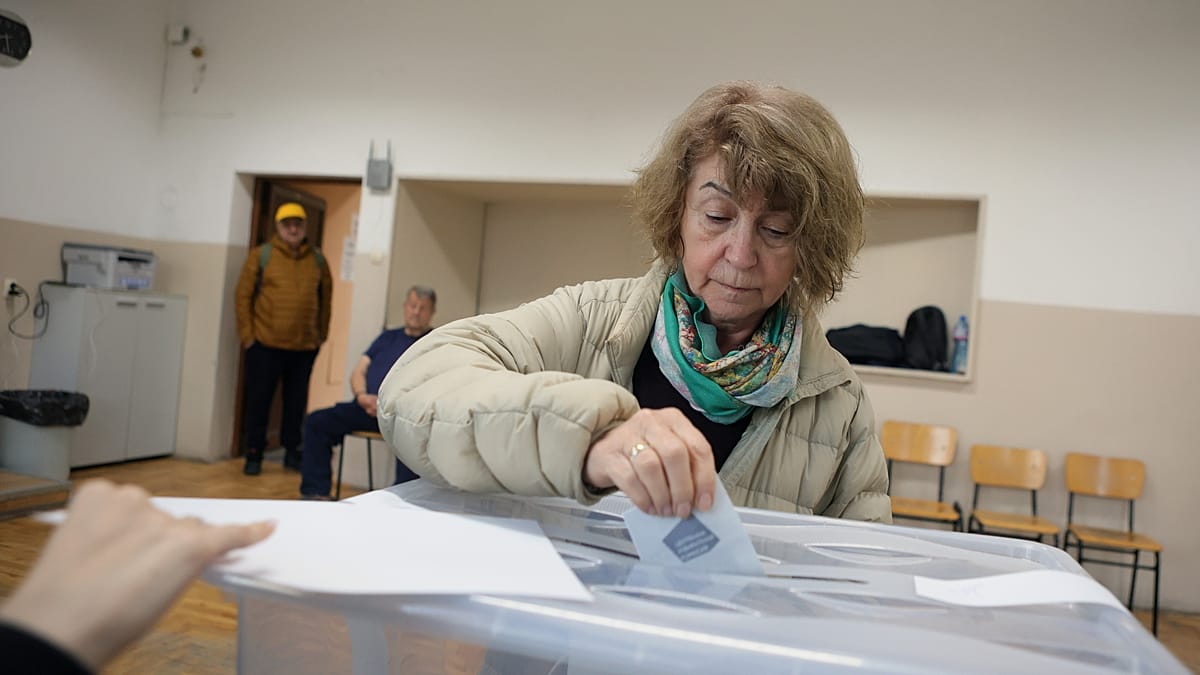
Bulgaria Holds Presidential Election Amid Economic Concerns and Regional Security Tensions
Bulgarian voters are heading to the polls in an election cycle heavily influenced by the ongoing war in Ukraine and domestic economic instability. Key issues include rising inflation, energy costs, and security concerns regarding Black Sea maritime traffic.
Bulgaria is currently engaged in a presidential election process that has been defined by a combination of pressing international security issues and domestic economic challenges. The campaign discourse has been dominated by the repercussions of the Russian invasion of Ukraine, which has created significant geopolitical pressure on the nation.
Beyond the regional conflict, the election is being shaped by the direct impact of global instability on the Bulgarian economy. Voters are facing the dual pressures of rising energy prices and persistent inflation, which have become central themes for candidates seeking office. Additionally, the security of the Black Sea has emerged as a critical talking point, specifically regarding the increase in drone attacks targeting commercial vessels operating off the Bulgarian coastline. These maritime security threats have added a layer of urgency to the political debate, as the country balances its role in regional defense with the need to maintain stable trade routes.
While the election is framed by these specific crises, the political landscape remains complex. The candidates are navigating a public mood characterized by anxiety over both the cost of living and the potential for the conflict in Ukraine to escalate further. As the voting process continues, the focus remains on how the next administration will address these interconnected economic and security vulnerabilities.
📡 Media Analysis
How each outlet framed the story — angles, word choices, and what they chose to push or ignore.
Focused on how external security threats and economic instability are driving the political narrative.
"dominated by Ukraine war"
🔍 What Nobody's Reporting
- ·Lack of specific candidate platforms or policy proposals.
- ·No mention of the current polling data or front-runners.
- ·Absence of information regarding voter turnout or election logistics.
📰 Sources
0 A-rated source(s) among 1 total. Lowest trust: Euronews (B)