
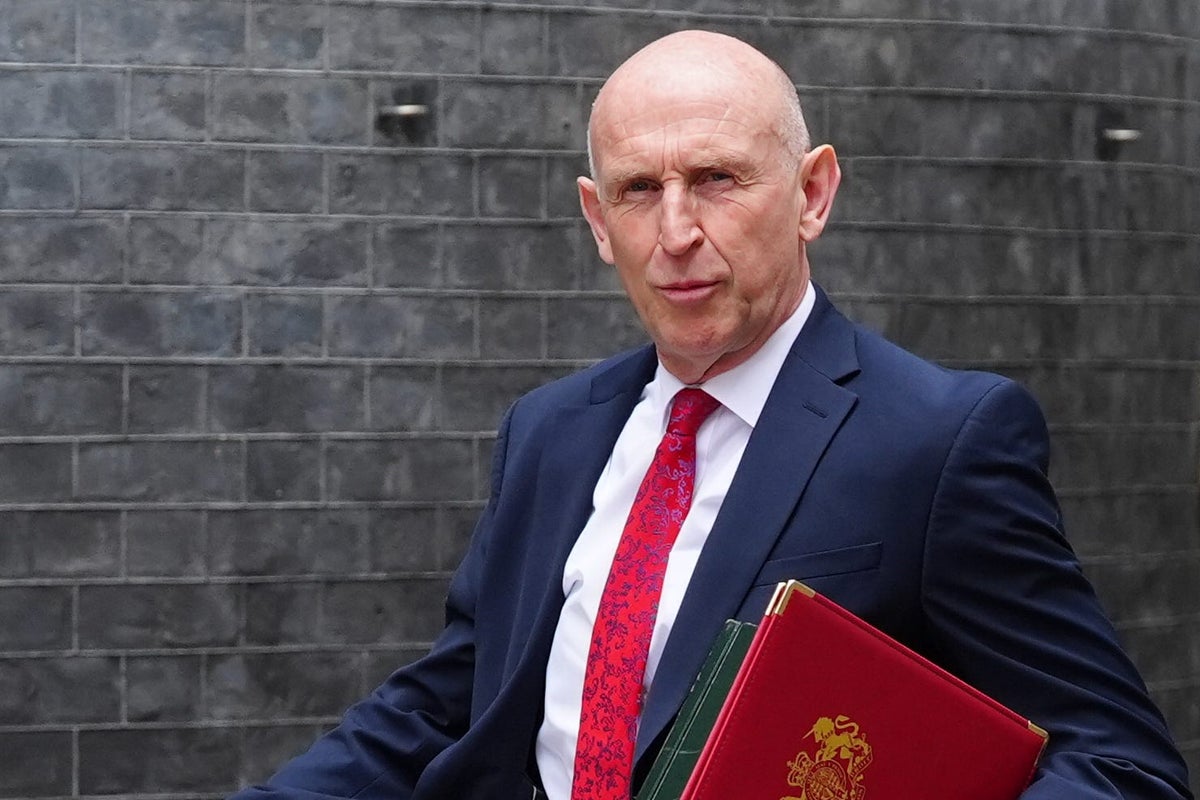
Chancellor Healey Considers Windfall Taxes on Banks and Energy Firms for Upcoming Budget
Chancellor John Healey is reportedly weighing the implementation of windfall taxes on banking and oil companies to address a shortfall in public finances. The move is intended to avoid raising taxes on the general public.
As the government prepares for its first Budget, Chancellor John Healey is exploring potential revenue-raising measures that target specific corporate sectors rather than individual taxpayers. Reports indicate that the Treasury is evaluating the feasibility of windfall taxes—one-off levies on companies that have seen significant profit increases due to external market conditions—specifically focusing on the banking and oil and gas industries.
The primary motivation behind this consideration is the need to address a significant deficit in public finances. By targeting these sectors, the government aims to secure the necessary funding to stabilize the economy without placing an additional financial burden on the average citizen. While the proposal is currently under review, it reflects a broader strategy to identify alternative funding sources that align with the government's fiscal goals.
The potential for such taxes has historically been a point of debate. Proponents argue that these companies have benefited from extraordinary circumstances, such as high energy prices or rising interest rates, and should contribute more to the national treasury. Conversely, industry representatives often express concerns that such taxes could discourage future investment and hinder long-term economic growth. As the Budget deadline approaches, the administration must balance the immediate need for revenue against the potential impact on corporate investment and market stability. No final decisions have been announced, and the Treasury continues to assess the economic implications of these potential tax adjustments.
📡 Media Analysis
How each outlet framed the story — angles, word choices, and what they chose to push or ignore.
Framed the tax as a protective measure for the public against corporate profit-taking.
"plug a gap"
🔍 What Nobody's Reporting
- ·Lack of comment or projected reaction from the banking or energy sectors.
- ·No specific figures or estimates regarding the size of the 'gap in public finances' being addressed.
- ·Absence of alternative revenue-raising options being considered by the Treasury.
📰 Sources
0 A-rated source(s) among 1 total. Lowest trust: The Independent (B)