
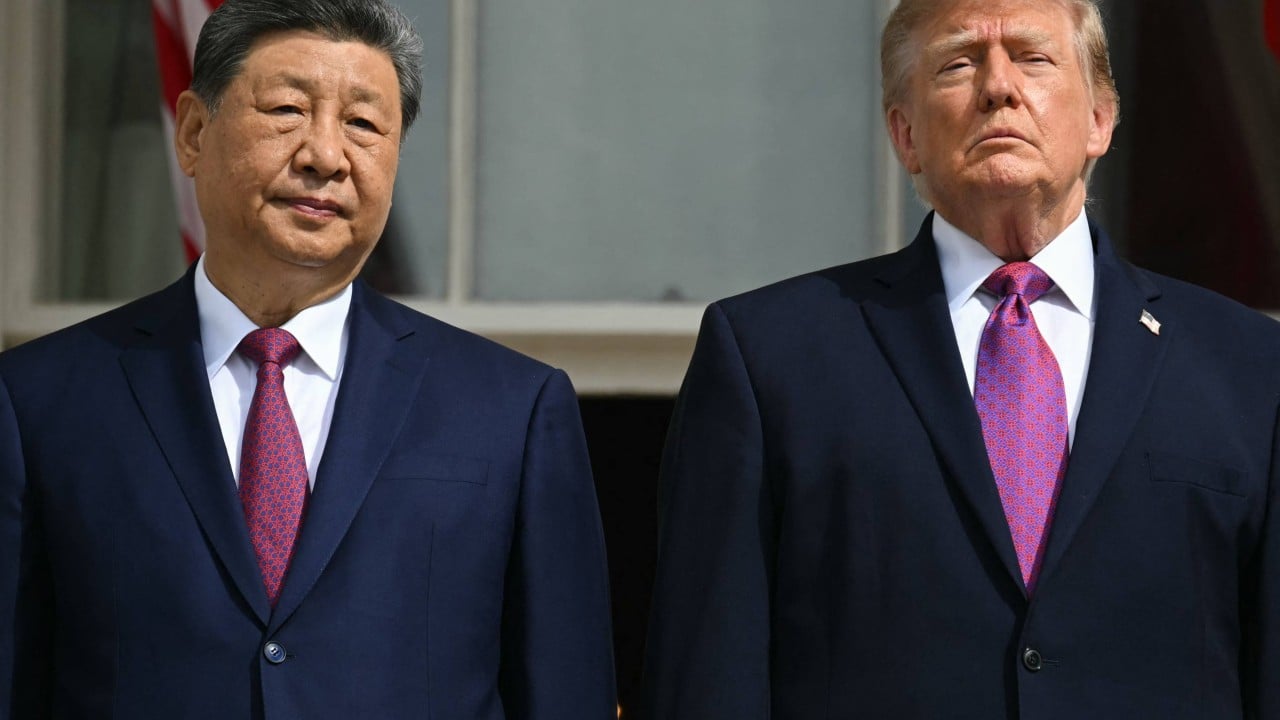
China and the US Refine Diplomatic Language Regarding Strategic Stability
China and the United States have introduced new diplomatic terminology to describe their bilateral relationship, specifically focusing on 'strategic stability.' Analysts are currently evaluating the implications of these phrases following recent high-level meetings between the two nations.
In May, China and the United States adopted the phrase “constructive relationship of strategic stability” to characterize their diplomatic ties. While the initial announcement left many observers uncertain regarding the practical application of this language, subsequent developments have provided further context. Following a meeting between President Xi Jinping and President Donald Trump in Washington last month, both nations expanded on this framework, pledging to build their relationship on specific, yet-to-be-fully-defined, foundational principles.
The shift in rhetoric is viewed by many as an attempt to manage the complex and often competitive nature of the US-China dynamic. By moving toward a language of “strategic stability,” both governments appear to be signaling a desire to prevent escalation in areas of friction, such as trade and regional security. However, the exact meaning of these terms remains a subject of debate among international relations experts. Some analysts suggest the language is a deliberate effort to create a predictable framework for engagement, while others argue that the vague nature of the terminology allows both sides to interpret the agreement in ways that suit their own domestic political priorities. As the two nations continue to navigate their relationship, the focus remains on how these verbal commitments will translate into concrete policy actions and whether they will effectively mitigate long-standing tensions between the two global powers.
📡 Media Analysis
How each outlet framed the story — angles, word choices, and what they chose to push or ignore.
Focused on the ambiguity of diplomatic language and the search for underlying strategic intent.
"left many observers trying to guess what it actually meant"
✓ Only outlet to report: The specific timeline connecting the May agreement to the subsequent Washington meeting between Xi and Trump.
🔍 What Nobody's Reporting
- ·Lack of specific policy examples that demonstrate how 'strategic stability' has been applied since May.
- ·Absence of perspectives from independent third-party nations on how this shift affects global stability.
📰 Sources
0 A-rated source(s) among 1 total. Lowest trust: SCMP (B)