
China Begins Provincial Leadership Reshuffle Ahead of National Party Plenum
China has initiated a five-year cycle of provincial leadership changes, with four provinces recently appointing new standing committees. These regional appointments are being closely monitored as indicators for future national-level leadership shifts within the Communist Party.
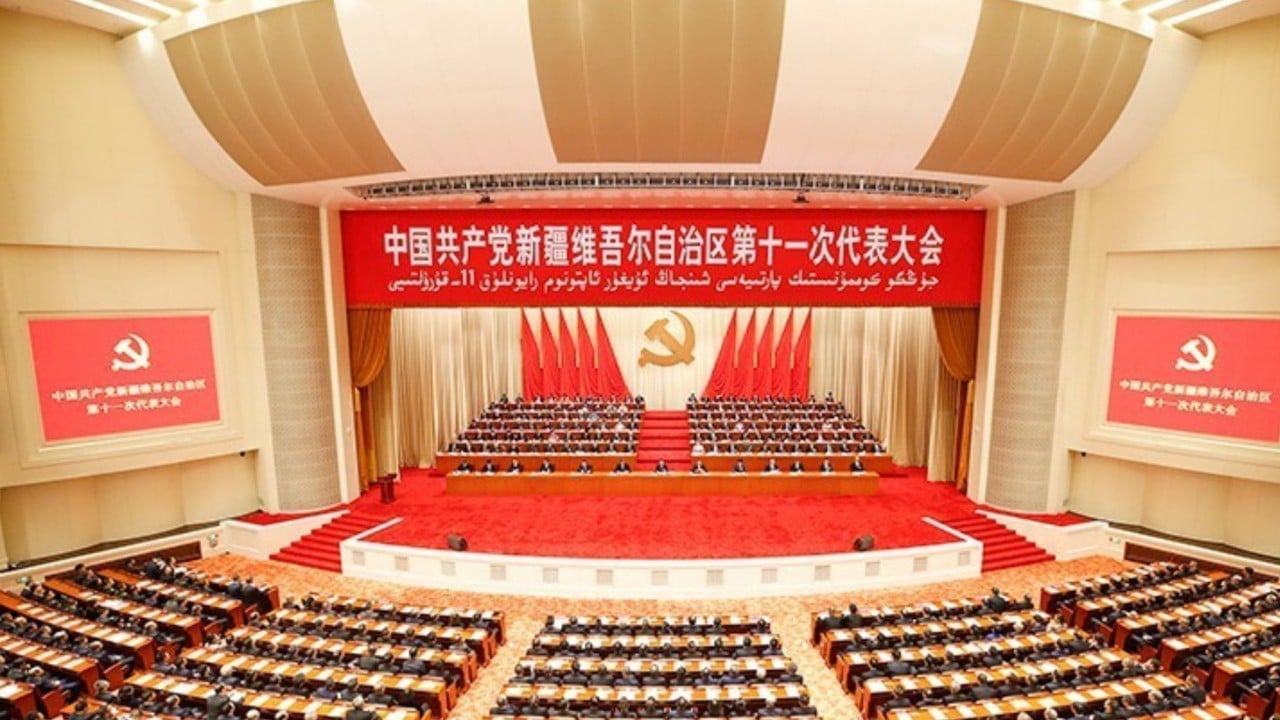
The Chinese Communist Party has commenced its five-year leadership transition cycle, beginning at the provincial level. Recent reports confirm that four provinces—Anhui, Henan, Shanxi, and Xinjiang—have concluded their respective party congresses and finalized the selection of new standing committees. These committees will hold their positions for the next five years.
Analysts view these regional appointments as a critical barometer for the party’s broader political trajectory. By observing who is promoted or shifted within these provincial bodies, observers aim to gain insight into the potential candidates and policy directions that may emerge during upcoming national gatherings. The timing of these regional congresses is notable, as they concluded just one week prior to the fifth plenum, a significant national party meeting held in Beijing.
While the process is routine within the Chinese political system, the current reshuffle is receiving heightened attention due to its proximity to the national plenum. The appointments serve as a precursor to the larger structural changes expected at the central government level. The transition process is designed to align regional leadership with the strategic goals set by the party's central authority, ensuring consistency as the party prepares for its next phase of national governance.
📡 Media Analysis
How each outlet framed the story — angles, word choices, and what they chose to push or ignore.
Framed the provincial reshuffle as a strategic roadmap for understanding national party politics.
"important clues to the future"
🔍 What Nobody's Reporting
- ·Lack of detail regarding the specific names or backgrounds of the newly appointed officials.
- ·No analysis of how these specific provincial changes might conflict with or support current national policy priorities.
📰 Sources
0 A-rated source(s) among 1 total. Lowest trust: SCMP (B)