
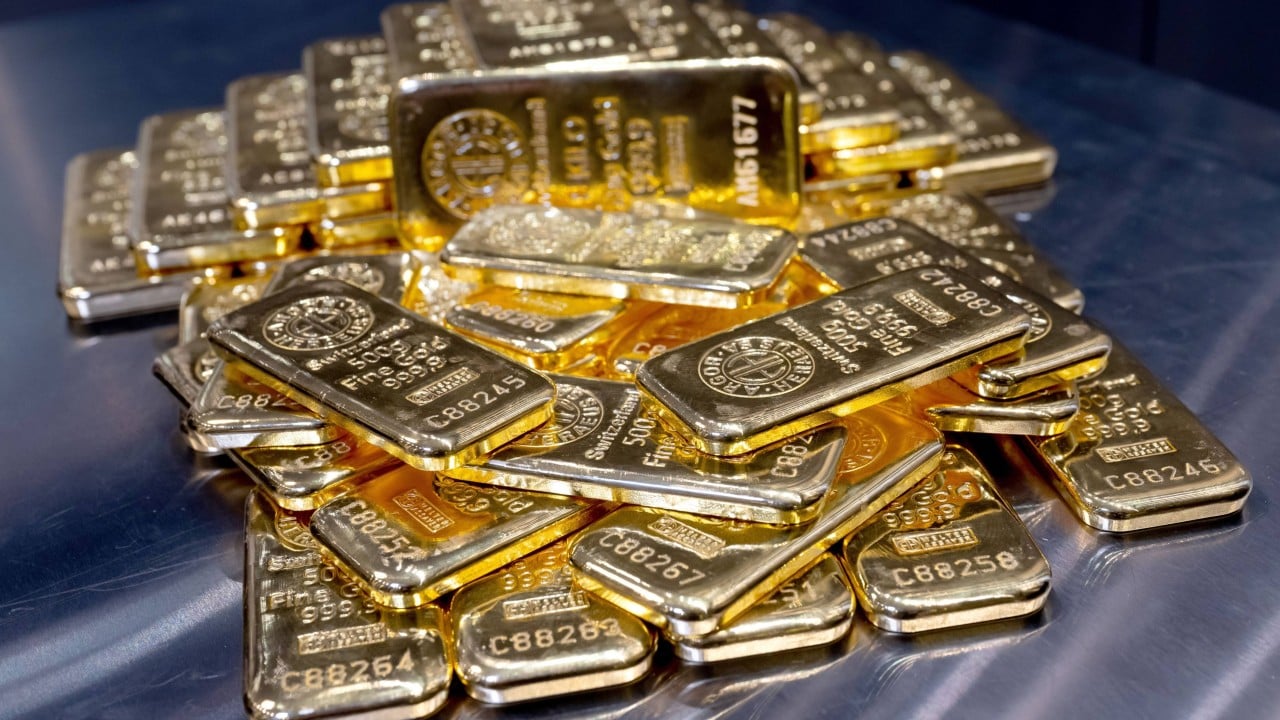
China Expands Gold Infrastructure to Support Yuan Internationalization
China is developing a global network of gold vaults and increasing central bank reserves to strengthen the yuan's position in international trade. This shift follows a 2025 policy change that reclassified gold as a strategic mineral rather than a simple financial asset.
Market Narrative Detected
The narrative suggests that gold is transitioning from a hedge against inflation to a tool of geopolitical power, benefiting Chinese state-linked mining firms and the government's push for currency independence.
China is actively building a global infrastructure of gold vaults and accelerating its accumulation of gold reserves, according to a recent report from S&P Global Ratings. This strategy is part of a broader effort by Beijing to increase the use of the yuan in international trade and reduce reliance on existing global financial systems. The initiative marks a significant shift in how the country manages its precious metal holdings.
As part of this transition, Beijing officially reclassified gold from a standard financial asset to a 'strategic mineral' in 2025. This policy change is expected to provide a major tailwind for Chinese gold mining companies. Major industry players, including Zijin Mining and Shandong Gold Mining, are projected to expand their operations at a rate faster than their international competitors. By securing control over both the physical storage and the extraction of gold, China aims to create a more robust foundation for its currency's global adoption. While the S&P report highlights the strategic intent behind these moves, it also underscores the growing importance of physical gold assets in China’s long-term economic planning.
📡 Media Analysis
How each outlet framed the story — angles, word choices, and what they chose to push or ignore.
Focused on the geopolitical and economic strategy behind China's gold accumulation.
"reclassified gold from financial asset to 'strategic mineral'"
🔍 What Nobody's Reporting
- ·The report does not address the potential inflationary risks or the impact on global gold prices if China's demand significantly outstrips supply.
- ·There is no mention of how other central banks or the IMF view this shift in gold classification.
📰 Sources
0 A-rated source(s) among 1 total. Lowest trust: SCMP (B)