
China-Nepal Border Floods Raise Safety Questions for Proposed Rail Project
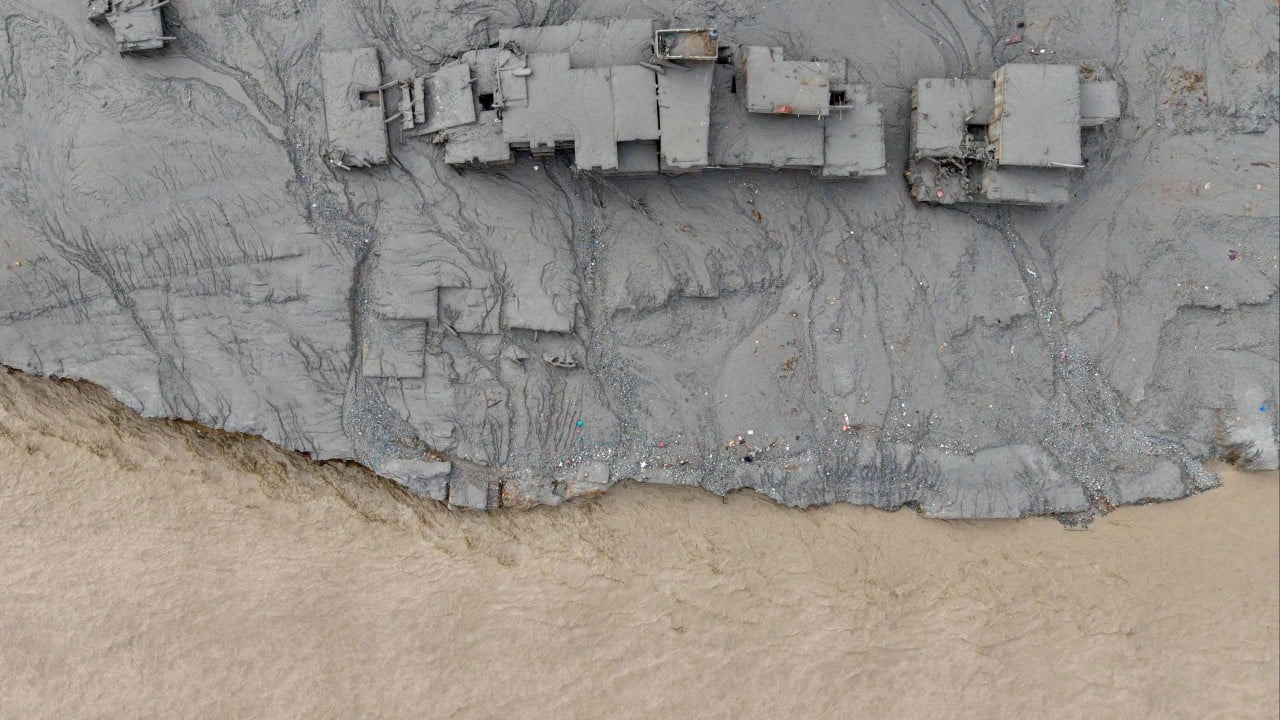
Devastating floods and mudslides at the China-Nepal border have disrupted trade at the Gyirong Port. The disaster has prompted discussions regarding the necessity of improved early-warning systems for future infrastructure projects, including a planned cross-border railway.
A series of flash floods and mudslides along the China-Nepal border have caused significant disruption this week, particularly at the Gyirong Port in the Tibet autonomous region. The port, which serves as a vital trade gateway handling approximately one-third of the bilateral trade between the two nations, remains difficult for rescue teams to access due to the severity of the terrain and the damage caused by the slides.
The incident has brought renewed attention to the safety protocols surrounding large-scale infrastructure projects in the region. Specifically, experts and officials are evaluating whether the current disaster response capabilities are sufficient to support the proposed China-Nepal rail link. The rail project, intended to connect the two countries, traverses geologically sensitive areas prone to environmental hazards.
While the immediate focus remains on rescue and recovery efforts, the disaster is being viewed by some analysts as a potential catalyst for establishing a joint early-warning system. Such a system would aim to mitigate risks for both existing trade routes and future transit infrastructure. The feasibility of these safety upgrades remains a point of discussion as both nations assess the long-term impact of the flooding on regional connectivity and economic stability.
📡 Media Analysis
How each outlet framed the story — angles, word choices, and what they chose to push or ignore.
Framed the disaster as a technical and logistical challenge for future infrastructure development.
"catalyst for joint early-warning systems"
✓ Only outlet to report: Identified that Gyirong Port handles one-third of China's trade with Nepal.
🔍 What Nobody's Reporting
- ·Lack of perspective from the Nepalese government regarding the disaster's impact on their side of the border.
- ·No information on the current status or safety of the residents living in the affected border regions.
📰 Sources
0 A-rated source(s) among 1 total. Lowest trust: SCMP (B)