
China Outlines 2030 Strategy to Build New High-Tech Economic Pillars
The Chinese government has announced a long-term plan to pivot its economy toward advanced technologies like 6G and robotics by 2030. The initiative also includes regulatory efforts to stabilize the domestic automotive market.
Market Narrative Detected
The narrative suggests that China is successfully transitioning from low-cost manufacturing to a high-tech superpower, which benefits state-backed firms and investors looking for long-term stability in the Chinese tech sector.
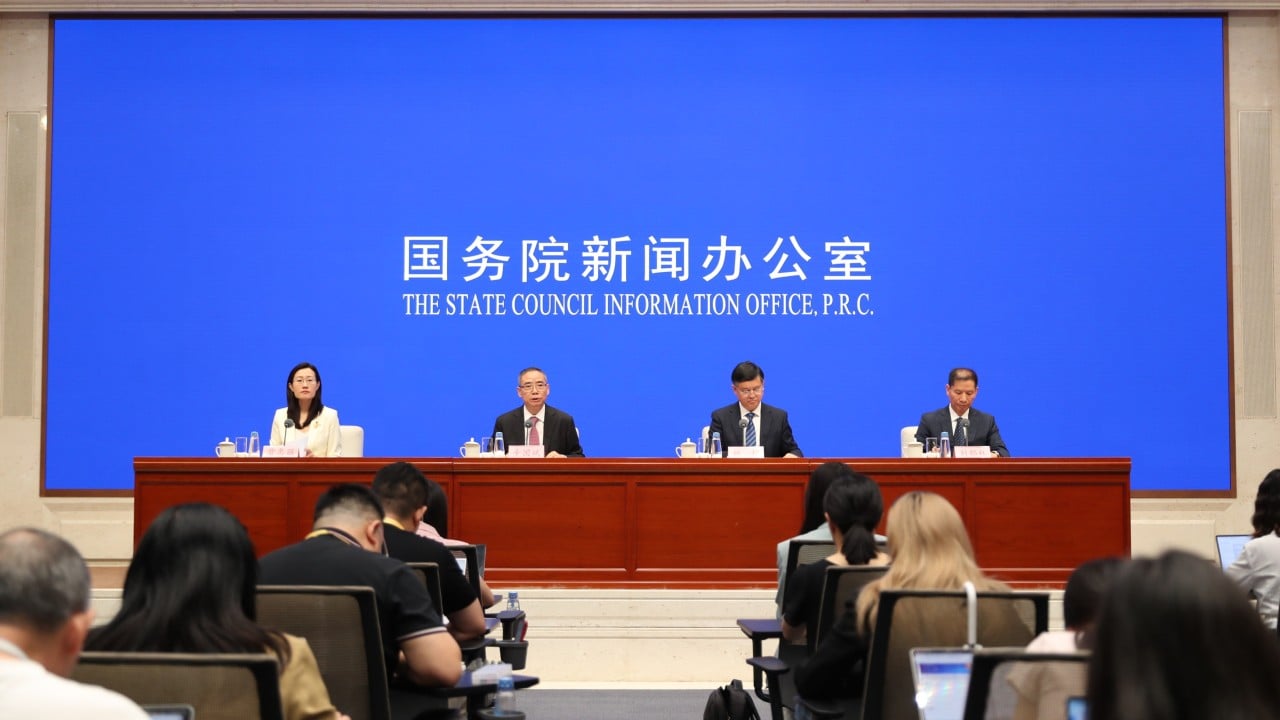
China’s Ministry of Industry and Information Technology has unveiled a strategic roadmap aimed at transforming the nation’s economic landscape by 2030. Vice-minister Xin Guobin identified several 'hi-tech pillars'—specifically next-generation 6G communications, robotics, and quantum technology—as the primary engines for future growth. The government intends to prioritize these sectors to offset slowing growth in traditional industries.
In addition to fostering innovation, the ministry addressed concerns regarding the domestic automotive sector. Officials pledged to implement measures to curb 'cutthroat competition,' suggesting that the government is looking to consolidate or regulate the market to prevent unsustainable price wars and overcapacity. While the announcement signals a clear shift toward high-value manufacturing, the specific mechanisms for funding these massive technological transitions remain largely unspecified. The policy reflects Beijing's broader goal of achieving technological self-reliance amidst increasing global trade tensions.
📡 Media Analysis
How each outlet framed the story — angles, word choices, and what they chose to push or ignore.
Focused on the government's industrial roadmap and the stated goals for economic transition.
"vowed to develop emerging industries"
✓ Only outlet to report: Identified the specific role of Vice-minister Xin Guobin in outlining the 2030 timeline.
🔍 What Nobody's Reporting
- ·Lack of detail on how these high-tech sectors will be funded or if private capital will be incentivized.
- ·No mention of the potential impact of international sanctions or export controls on these 2030 goals.
- ·Absence of analysis regarding how 'curbing competition' might stifle innovation or lead to state-favored monopolies.
📰 Sources
0 A-rated source(s) among 1 total. Lowest trust: SCMP (B)