
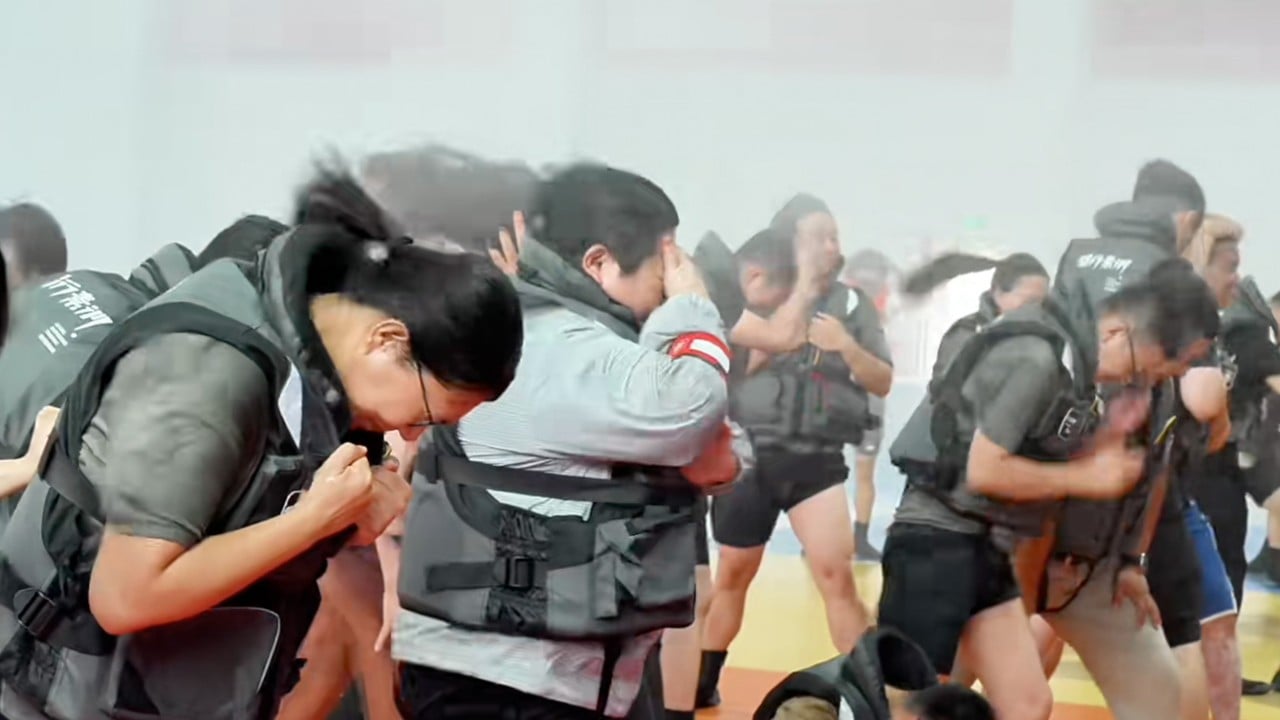
China sees growth in 'dark tourism' and simulated disaster experience centers
A growing trend in China sees young people visiting sites associated with death and catastrophe, alongside a rise in commercial centers that simulate natural disasters. These activities are part of a broader global interest in 'dark tourism,' which involves engaging with themes of suffering and survival.
Dark tourism, historically defined as travel to locations associated with death, tragedy, or human suffering, is experiencing a notable surge in popularity across Asia, particularly among China’s younger demographic. While traditional dark tourism involves visiting historical sites of catastrophe, a new sub-trend has emerged in China: the rise of commercial experience centers where participants pay to undergo simulated disasters. These facilities allow visitors to confront scenarios such as typhoons, floods, and earthquakes in a controlled environment, ostensibly to acquire practical survival skills.
Experts note that while the concept of dark tourism—sometimes called 'grief tourism'—has roots dating back to the public executions of 17th-century Britain, the modern iteration in China blends historical curiosity with experiential learning. The shift suggests that for many participants, the appeal lies not just in observing tragedy, but in actively engaging with the mechanics of survival. While the SCMP report highlights this as a burgeoning industry, it remains to be seen how these commercial ventures will evolve as the demand for high-intensity, reality-based entertainment continues to grow among Chinese youth.
📡 Media Analysis
How each outlet framed the story — angles, word choices, and what they chose to push or ignore.
Framed the trend as a natural evolution of historical tourism habits combined with modern experiential learning.
"brave simulated disasters"
✓ Only outlet to report: Linked the modern trend of disaster simulation centers to the historical roots of 17th-century public executions.
🔍 What Nobody's Reporting
- ·Lack of psychological analysis regarding why youth are drawn to simulated trauma.
- ·Absence of regulatory or safety oversight information regarding these commercial disaster centers.
- ·No mention of the potential ethical concerns regarding the commercialization of human suffering.
📰 Sources
0 A-rated source(s) among 1 total. Lowest trust: SCMP (B)