
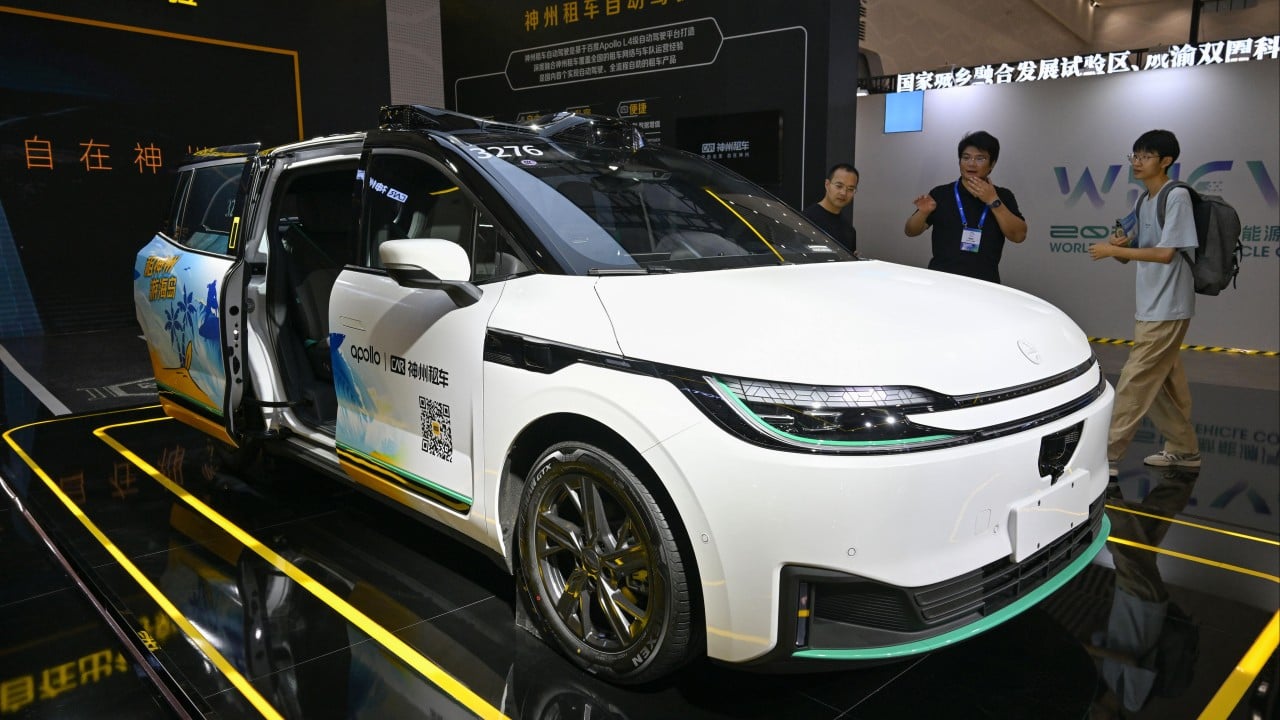
China to Review New Traffic Laws Clarifying Liability for Autonomous Vehicles
China’s top legislature is reviewing an amended Road Traffic Safety Law that would establish legal liability for manufacturers when autonomous driving systems are active. This legislative move aims to address regulatory uncertainty as the country pushes for the wider commercial adoption of self-driving technology.
Market Narrative Detected
The narrative suggests that regulatory clarity is the final barrier to a massive commercial boom in autonomous driving. This benefits large automotive manufacturers and tech firms by signaling that the government is paving the way for their market dominance.
The Standing Committee of the National People’s Congress in China is scheduled to review a proposed amendment to the national Road Traffic Safety Law. The primary focus of this update is the integration of a dedicated chapter governing autonomous vehicles and advanced driver-assistance systems. Currently, existing traffic laws in China are largely designed for human-operated vehicles, creating a legal gray area regarding who is responsible when an automated system is engaged during a traffic violation or accident.
Under the proposed changes, car manufacturers could be held legally liable for traffic infractions that occur while the vehicle’s autonomous system is in control. This shift is viewed by industry analysts as a significant step toward clearing regulatory hurdles that have previously slowed the commercial rollout of self-driving technology. By establishing clear lines of accountability, the government aims to provide a more stable legal framework for companies to scale their operations. While the proposal focuses on liability, it also signals a broader government intent to formalize the rules of the road for the next generation of transport technology. The review process marks a pivotal moment for the Chinese automotive sector, as manufacturers have long sought clearer guidelines to mitigate the risks associated with deploying fully automated systems on public roads.
📡 Media Analysis
How each outlet framed the story — angles, word choices, and what they chose to push or ignore.
Focused on the regulatory progress and the potential for industry growth.
"clearing regulatory hurdles to wider commercialisation"
🔍 What Nobody's Reporting
- ·Lack of input from consumer advocacy groups regarding safety standards.
- ·No mention of how insurance companies are expected to adapt to these liability shifts.
- ·Absence of details on the specific penalties or enforcement mechanisms for manufacturers.
📰 Sources
0 A-rated source(s) among 1 total. Lowest trust: SCMP (B)