
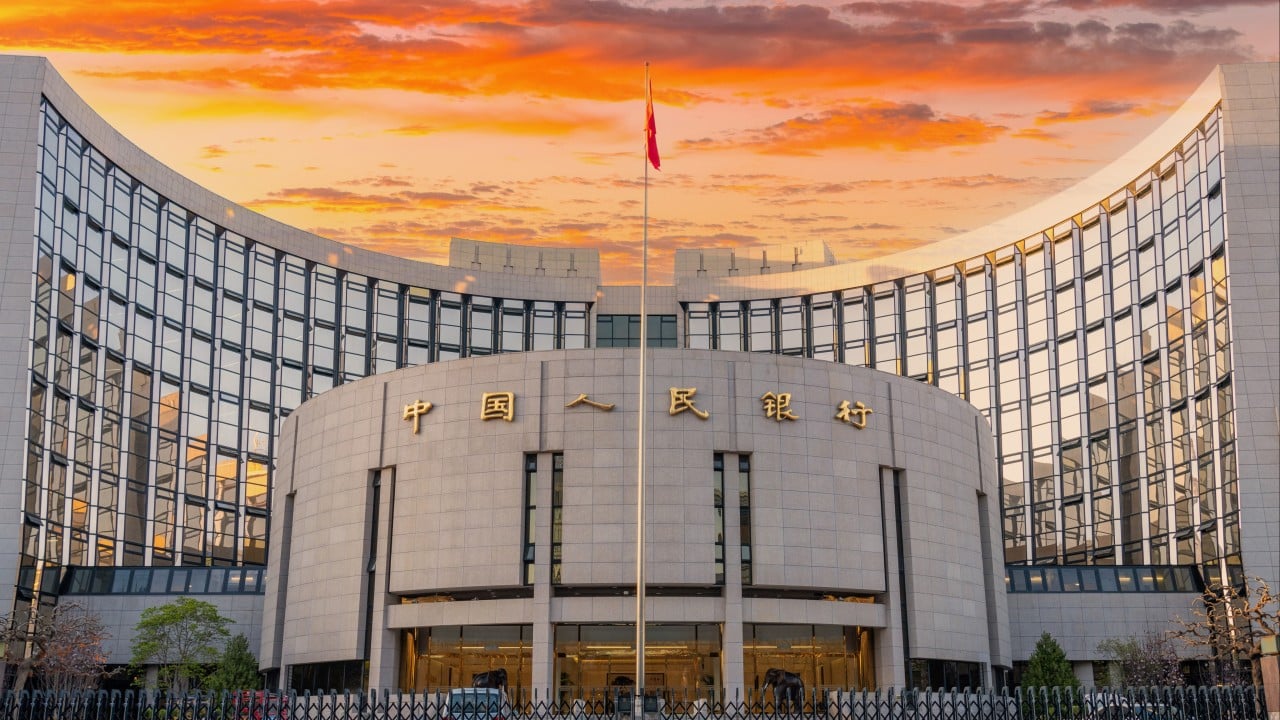
China’s Central Bank Denies Manipulating Yuan Currency Value
The People’s Bank of China has formally rejected international claims that it is intentionally undervaluing the yuan to gain trade advantages. The statement comes as China prepares for high-stakes trade negotiations with European partners.
Market Narrative Detected
The market is being told that China is a responsible global actor committed to fair trade, a narrative that benefits Beijing by attempting to de-escalate trade tensions and prevent the imposition of new tariffs.
The People’s Bank of China (PBOC) issued a policy paper on Thursday explicitly denying allegations that the nation is manipulating its currency to secure a competitive edge in global trade. The central bank stated that it has no intent to pursue competitive devaluation, attributing China’s recent trade growth instead to the expansion of its industrial sector rather than currency-based advantages.
This rebuttal arrives at a sensitive time, as China enters a period of intense trade negotiations with European officials. The accusation that the yuan is undervalued has been a central point of contention for European trade representatives, who argue that a weaker yuan makes Chinese exports artificially cheaper. By publishing the policy paper in both Chinese and English, the PBOC appears to be making a direct effort to address international concerns and preemptively shape the narrative ahead of potential trade war discussions. While the PBOC maintains that its currency policy is stable and market-driven, the move highlights the growing friction between Beijing and its trading partners over economic policy and industrial competition.
📡 Media Analysis
How each outlet framed the story — angles, word choices, and what they chose to push or ignore.
Focused on the official government rebuttal as a strategic move ahead of trade negotiations.
"rebutting a key European argument"
🔍 What Nobody's Reporting
- ·The specific European officials or entities making the complaints are not named.
- ·No counter-perspective from European economists or trade representatives is provided to explain why they believe the yuan is undervalued.
- ·The potential impact on global markets or specific industries is not explored.
📰 Sources
0 A-rated source(s) among 1 total. Lowest trust: SCMP (B)