
China’s Evolving Definition of Global Power and Influence
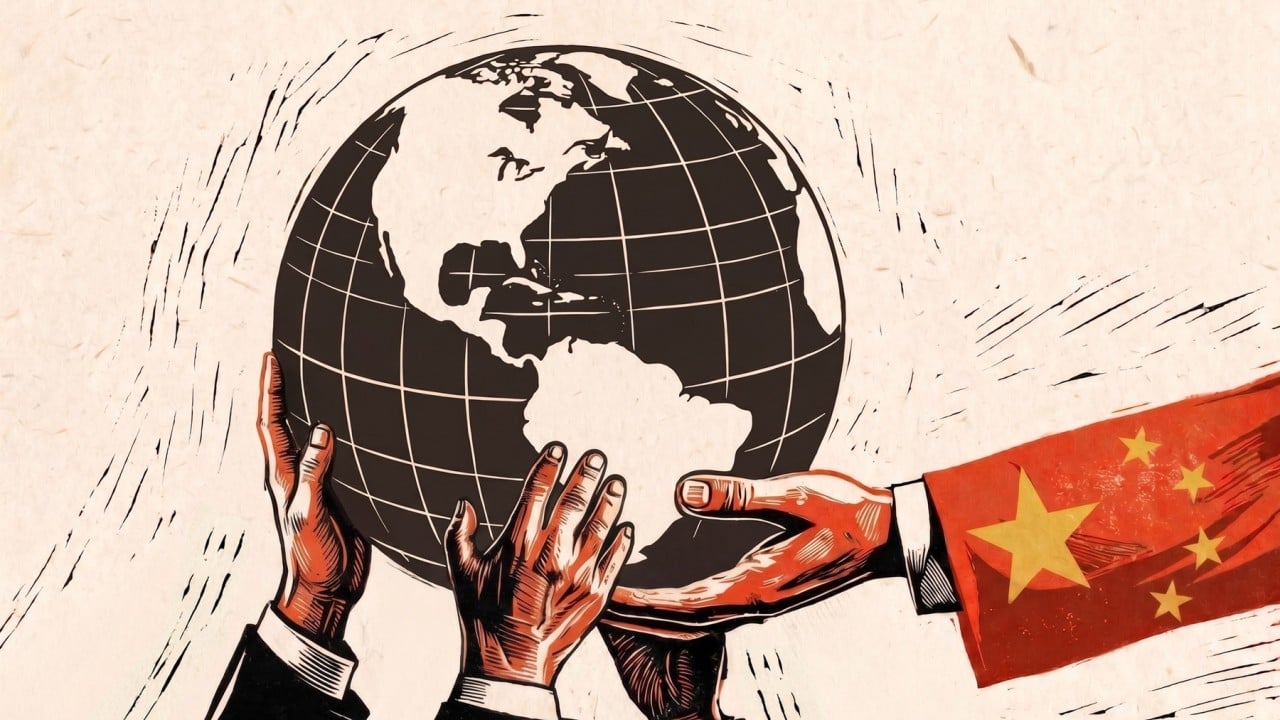
As China gains status as a global competitor to the United States, Beijing is actively redefining what it means to be a 'great power.' The country is shifting away from traditional Western metrics of superpower status toward its own framework of a 'major country.'
China’s rise as a peer competitor to the United States has prompted a global debate regarding its status as a superpower. While China possesses the traditional hallmarks of a great power—including a massive population, extensive territory, a leading economy, and significant military and technological advancements—Beijing has notably avoided the 'superpower' label. Instead, Chinese leadership prefers the term 'major country.'
Analysts suggest this linguistic shift is intentional, reflecting a desire to move beyond definitions of power established during the Cold War era. By framing its influence through the lens of a 'major country,' China seeks to establish a new paradigm that emphasizes its specific national interests and developmental model rather than conforming to Western-centric expectations of global hegemony. This approach allows Beijing to assert its influence while distancing itself from the historical baggage and geopolitical expectations often associated with the term 'superpower.'
While the SCMP report highlights these traditional attributes, it notes that the debate over China's global standing remains ongoing. The core of the issue lies in whether China is simply adopting the mantle of a traditional superpower or if it is successfully creating a new, distinct category of global leadership that challenges existing international norms.
📡 Media Analysis
How each outlet framed the story — angles, word choices, and what they chose to push or ignore.
Analyzes the shift in terminology as a strategic move to redefine global influence.
"Beijing describes China as a “major country” rather than a..."
✓ Only outlet to report: Identifies the specific linguistic distinction Beijing makes between 'major country' and 'superpower' to avoid Cold War-era connotations.
🔍 What Nobody's Reporting
- ·Lack of perspective from U.S. or European officials on how they interpret China's self-labeling.
- ·No discussion of how other nations in the Global South perceive China's 'major country' branding.
📰 Sources
0 A-rated source(s) among 1 total. Lowest trust: SCMP (B)