
China’s Mengxiang Drilling Ship Completes First South China Sea Expedition
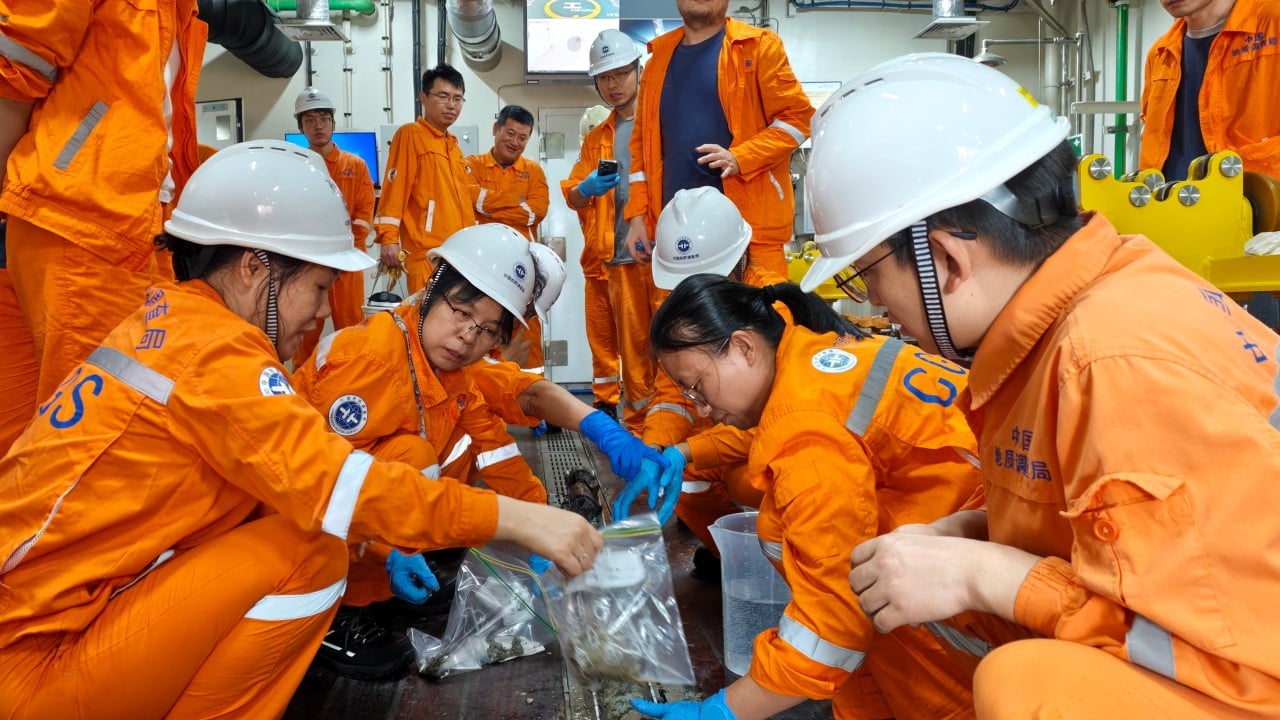
China’s new deep-ocean drilling vessel, the Mengxiang, has concluded its maiden 30-day research mission in the South China Sea. The expedition successfully tested the ship's operational capabilities and retrieved basalt core samples intended for tectonic research.
The Mengxiang, described as the world’s most powerful deep-ocean drilling ship, has returned from its inaugural expedition in the South China Sea. Organized by the China Geological Survey, the 30-day mission focused on testing the vessel's technical performance and gathering geological data. According to reports from the Science and Technology Daily, the ship successfully set a new national depth record during the operation.
The primary scientific objective of the mission was to collect basalt core samples from the ocean floor. Researchers intend to use these samples to better understand the tectonic history of the South China Sea region. While the vessel is designed for advanced scientific exploration, its deployment in these waters is notable given the ongoing territorial disputes involving multiple nations in the area. The mission marks a significant milestone for China’s deep-sea research infrastructure, demonstrating the ship's ability to operate at extreme depths for extended periods. No international observers or collaborative partners were mentioned in the initial reports regarding the expedition's findings or methodology.
📡 Media Analysis
How each outlet framed the story — angles, word choices, and what they chose to push or ignore.
Framed the mission as a technical and scientific achievement for Chinese maritime research.
"‘precious’ South China Sea samples"
✓ Only outlet to report: Reported that the mission set a new national depth record for Chinese drilling operations.
🔍 What Nobody's Reporting
- ·Lack of context regarding the geopolitical sensitivity of conducting drilling operations in contested South China Sea waters.
- ·Absence of information regarding whether the data collected will be shared with the international scientific community.
📰 Sources
0 A-rated source(s) among 1 total. Lowest trust: SCMP (B)