
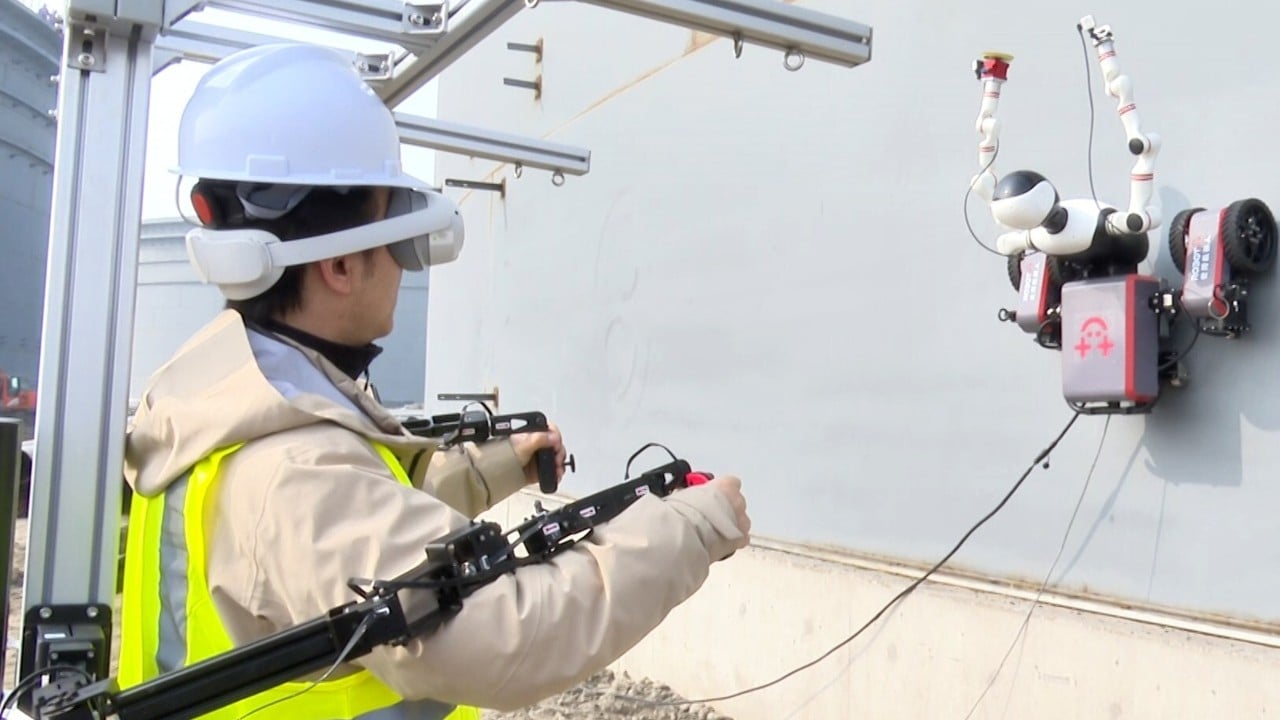
China’s Robotics Sector Expands Into High-Altitude Ship Maintenance
Chinese robotics firm RobotPlusPlus has developed autonomous climbing robots designed to clean and descale ship hulls. The technology aims to replace manual labor in high-altitude maritime maintenance tasks to improve safety and vessel longevity.
The Chinese robotics industry is increasingly focusing on specialized high-altitude operation solutions, with Zhejiang-based supplier RobotPlusPlus emerging as a key player. The company has introduced an autonomous climbing robot specifically engineered for the maintenance of ship hulls, a task traditionally performed by human workers.
According to the manufacturer, these robots are designed to perform cleaning and descaling operations on the vertical surfaces of large vessels. The primary stated benefit of this technology is the enhancement of workplace safety, as it removes the need for human laborers to operate at dangerous heights. Additionally, the company claims that the precision of the automated system can help extend the overall service life of a ship by ensuring more consistent maintenance.
While the industry is gaining momentum in this niche, the broader economic implications and the specific adoption rates across global shipyards remain under-reported. The shift toward automation in maritime maintenance reflects a broader trend in China’s industrial sector to move beyond standard land and aerial robotics into specialized, high-stakes industrial environments.
📡 Media Analysis
How each outlet framed the story — angles, word choices, and what they chose to push or ignore.
Framed the development as a strategic industrial advancement for China's robotics sector.
"quietly cornering a new niche"
✓ Only outlet to report: Identified the specific Zhejiang-based company, RobotPlusPlus, as the primary developer of the climbing robot.
🔍 What Nobody's Reporting
- ·Lack of independent verification regarding the robot's actual efficiency compared to human labor.
- ·Absence of data regarding the cost-benefit analysis for shipyards adopting this technology.
- ·No information on potential labor displacement concerns for workers currently performing these tasks.
📰 Sources
0 A-rated source(s) among 1 total. Lowest trust: SCMP (B)