
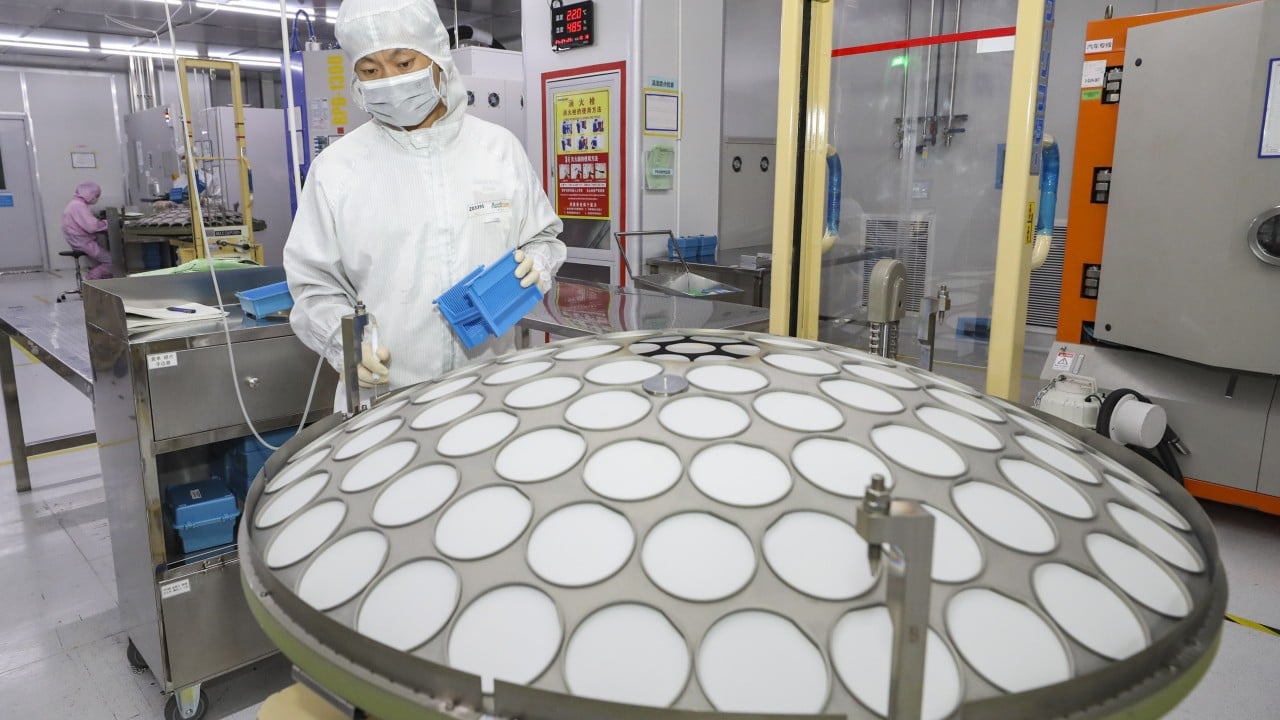
Chinese researchers achieve 100-fold increase in semiconductor memory endurance
Researchers in China have developed a method to significantly improve the durability of wurtzite ferroelectric memory chips. This advancement could address reliability issues in high-performance computing and artificial intelligence systems.
A team of researchers in China has reported a significant breakthrough in semiconductor technology, specifically regarding the endurance of wurtzite ferroelectric memory. By refining the materials used in these chips, the team successfully demonstrated that the memory could withstand over 10 billion writing cycles. This represents a 100-fold increase in durability compared to previous iterations of this technology.
Ferroelectric materials are capable of switching between two distinct electric states to store data, making them a promising candidate for next-generation computing. However, a primary obstacle to their widespread adoption has been their limited lifespan under repetitive use. The researchers' findings suggest that this new approach may overcome the reliability barriers that have previously hindered the integration of these materials into high-performance computing and artificial intelligence (AI) infrastructure. As the global demand for more advanced semiconductors continues to rise due to the ongoing AI boom, this development could provide a pathway for more efficient and long-lasting data storage solutions. While the technical demonstration is a notable milestone, the report focuses on the potential for future industrial application rather than immediate commercial availability.
📡 Media Analysis
How each outlet framed the story — angles, word choices, and what they chose to push or ignore.
Focused on the technical milestone and its potential utility for the AI industry.
"overcoming a critical reliability barrier"
🔍 What Nobody's Reporting
- ·Independent verification of the 10 billion cycle claim by third-party researchers.
- ·Potential manufacturing costs or scalability challenges for mass production.
📰 Sources
0 A-rated source(s) among 1 total. Lowest trust: SCMP (B)