
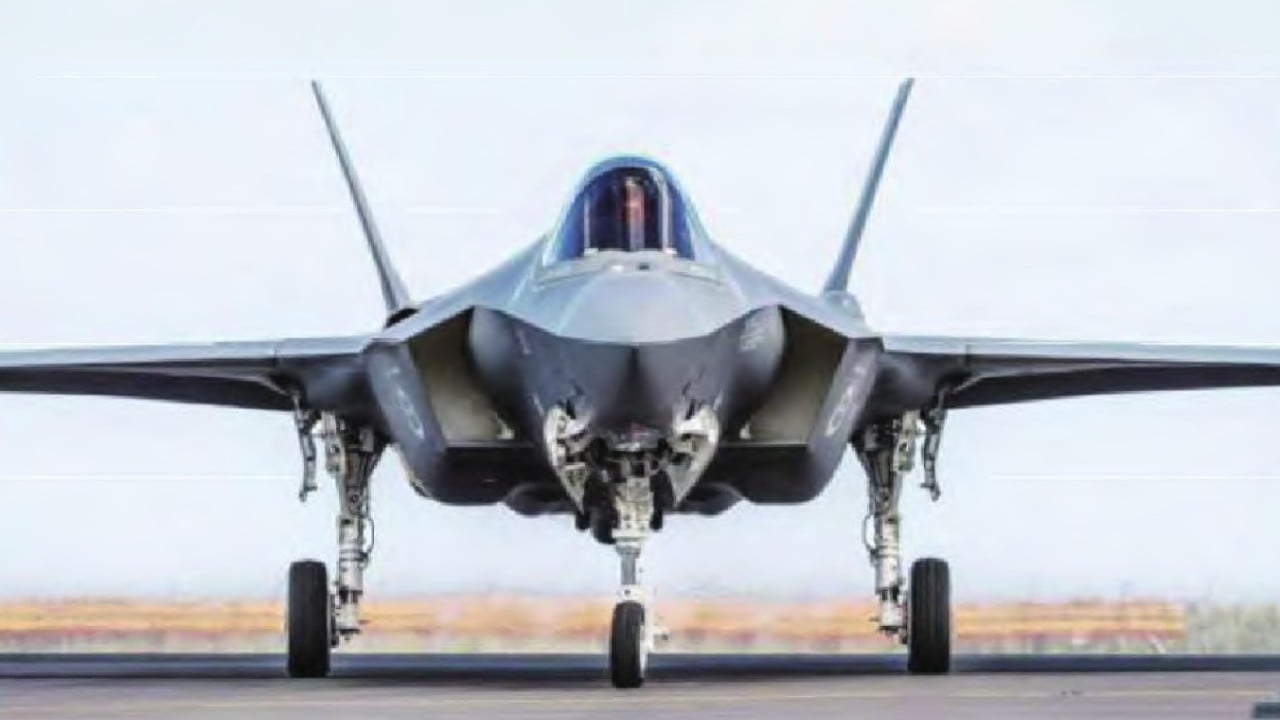
Chinese Researchers Report Simulation of Lidar System Capable of Tracking F-35 Stealth Fighters
Chinese researchers have developed a computer simulation for a missile-borne lidar system that reportedly detects F-35 stealth aircraft at distances up to 61.5 kilometers. The findings highlight ongoing advancements in sensor technology designed to counter stealth capabilities.
A team of researchers in China has published a computer simulation detailing a new light detection and ranging (lidar) system intended for use on missiles. According to the study, this technology is theoretically capable of identifying and tracking the F-35 stealth fighter at a range of 61.5 kilometers (approximately 38 miles). Lidar technology functions by firing laser pulses at a target and measuring the time it takes for the light to bounce back, allowing for precise distance and shape mapping.
While the report presents this as a significant advancement in military sensor technology, it is important to note that the findings are based on a computer simulation rather than a physical field test. The effectiveness of such a system in a real-world combat environment, where atmospheric conditions, electronic countermeasures, and the F-35's own defensive systems would be active, remains unproven. The research underscores a broader global effort by defense scientists to develop sensors capable of neutralizing the radar-evading characteristics of modern stealth aircraft. No official response or verification from the manufacturers of the F-35 or Western defense agencies has been provided regarding the specific claims made in the simulation.
📡 Media Analysis
How each outlet framed the story — angles, word choices, and what they chose to push or ignore.
Presented the claim as a notable scientific development without questioning the feasibility of the simulation.
"spot US F-35"
✓ Only outlet to report: Provided the specific distance of 61.5km as the threshold for detection.
⚡ Where Sources Disagree
- ·The effectiveness of lidar against stealth technology in real-world conditions versus simulated environments.
🔍 What Nobody's Reporting
- ·Lack of independent expert analysis on whether lidar is physically capable of tracking stealth aircraft at these distances.
- ·Absence of context regarding the limitations of laser-based systems in adverse weather or long-range combat scenarios.
📰 Sources
0 A-rated source(s) among 1 total. Lowest trust: SCMP (B)