
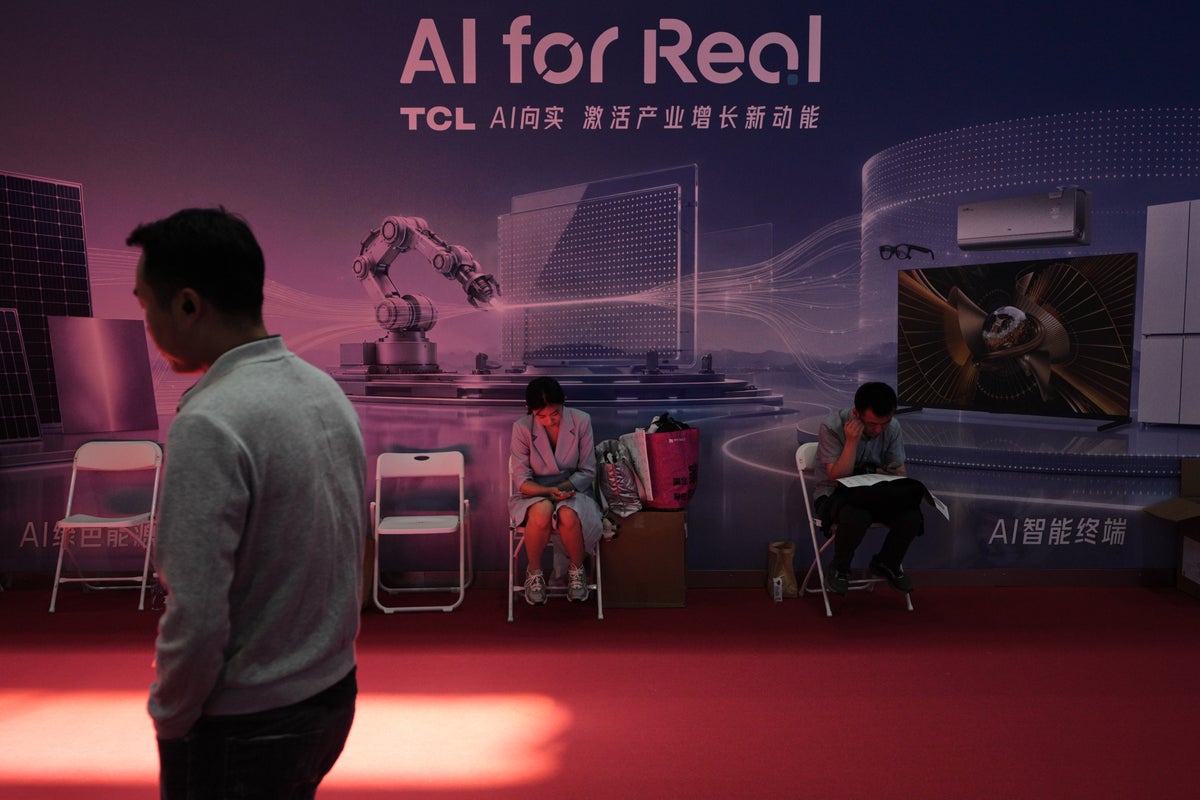
Chinese workers and economists express concern over AI-driven job displacement
Artificial intelligence is increasingly impacting China's labor market, leading to worker anxiety regarding job security. Some economists suggest that current state-led AI integration strategies may carry long-term risks for the nation's economic stability.
As artificial intelligence technology continues to integrate into the Chinese economy, a growing number of workers are expressing concerns about the potential for automation to replace human labor. The shift is being driven by rapid technological adoption across various sectors, which is fundamentally altering the nature of the country's job market.
While the government is actively promoting the development of AI through various state policies, the transition has sparked debate among experts. Some economists argue that these policies, while intended to boost technological advancement, may inadvertently undermine the overall strength of China's economy. The primary concern is that the speed of displacement could outpace the creation of new roles, potentially leading to structural unemployment or a decline in labor market stability. Conversely, proponents of the state-led approach suggest that such measures are necessary for China to maintain its competitive edge in the global technology race. There is currently no consensus on whether the long-term economic benefits of AI integration will outweigh the immediate social and labor-related costs.
📡 Media Analysis
How each outlet framed the story — angles, word choices, and what they chose to push or ignore.
Highlighted the tension between state-driven technological goals and the resulting economic instability for workers.
"undermine the overall strength"
✓ Only outlet to report: Linked the anxiety of individual workers directly to the potential failure of state-level economic policies.
⚡ Where Sources Disagree
- ·Whether state-led AI policies are a net positive for economic growth or a threat to economic stability.
🔍 What Nobody's Reporting
- ·Lack of specific data or examples regarding which industries in China are experiencing the highest rates of AI-driven displacement.
- ·Absence of government or corporate perspectives defending the current pace of AI implementation.
📰 Sources
0 A-rated source(s) among 1 total. Lowest trust: The Independent (B)