
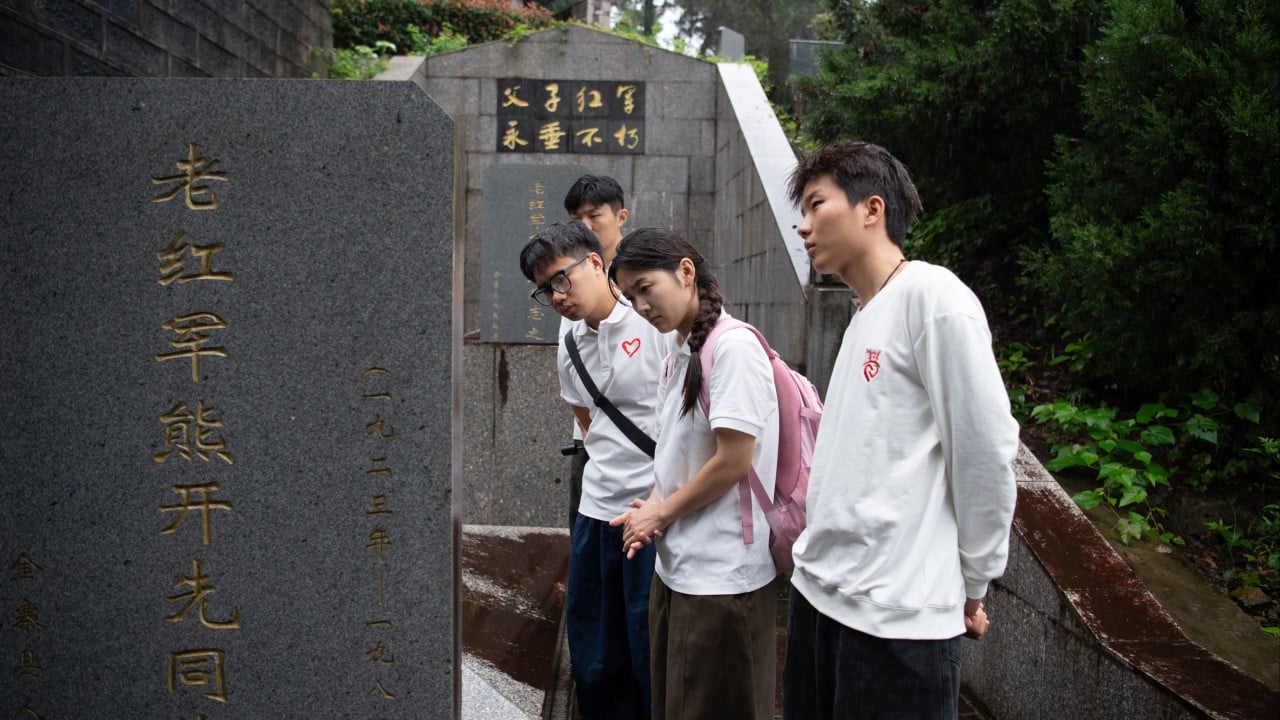
Chinese Youth Reflect on Long March Legacy Amid Modern Economic Uncertainty
As China commemorates the 90th anniversary of the Red Army's Long March, some young citizens are citing the historical event as a source of personal resilience. Students and young professionals report using the narrative of the march to cope with rapid social and economic changes.
The 90th anniversary of the Red Army’s Long March has prompted a wave of reflection among China’s younger generation. While the historical event is a cornerstone of Communist Party history, recent reports indicate that individuals in their 20s are increasingly framing the 'Long March spirit' as a psychological tool to navigate contemporary life.
For many young people, the current environment is characterized by rapid, often overwhelming, societal shifts. Students, such as 22-year-old Lyu Leiyiyi, suggest that the historical narrative provides a sense of stability and endurance. By drawing parallels between the hardships faced by the Red Army and the personal challenges of modern career and academic pressures, these individuals are finding a framework to process their own feelings of instability.
While the state-aligned discourse emphasizes the march as a symbol of national unity and revolutionary heritage, the individual perspective highlighted in recent coverage focuses on the utility of this history for personal mental health and perseverance. There is a clear emphasis on the 'spirit' of the march—defined as resilience and determination—rather than strictly political or military history. This trend reflects a broader attempt by the youth to anchor themselves in traditional narratives while facing the realities of a competitive and fast-paced modern economy.
📡 Media Analysis
How each outlet framed the story — angles, word choices, and what they chose to push or ignore.
Framed the historical anniversary as a coping mechanism for modern youth anxiety.
"dizzying pace"
✓ Only outlet to report: Highlighted specific personal testimony from a 22-year-old student regarding the psychological impact of the Long March narrative.
🔍 What Nobody's Reporting
- ·Lack of critical analysis regarding whether this trend is organic or encouraged by state-sponsored youth education campaigns.
- ·Absence of perspectives from youth who do not feel a connection to the Long March or who view it as irrelevant to modern economic struggles.
📰 Sources
0 A-rated source(s) among 1 total. Lowest trust: SCMP (B)