
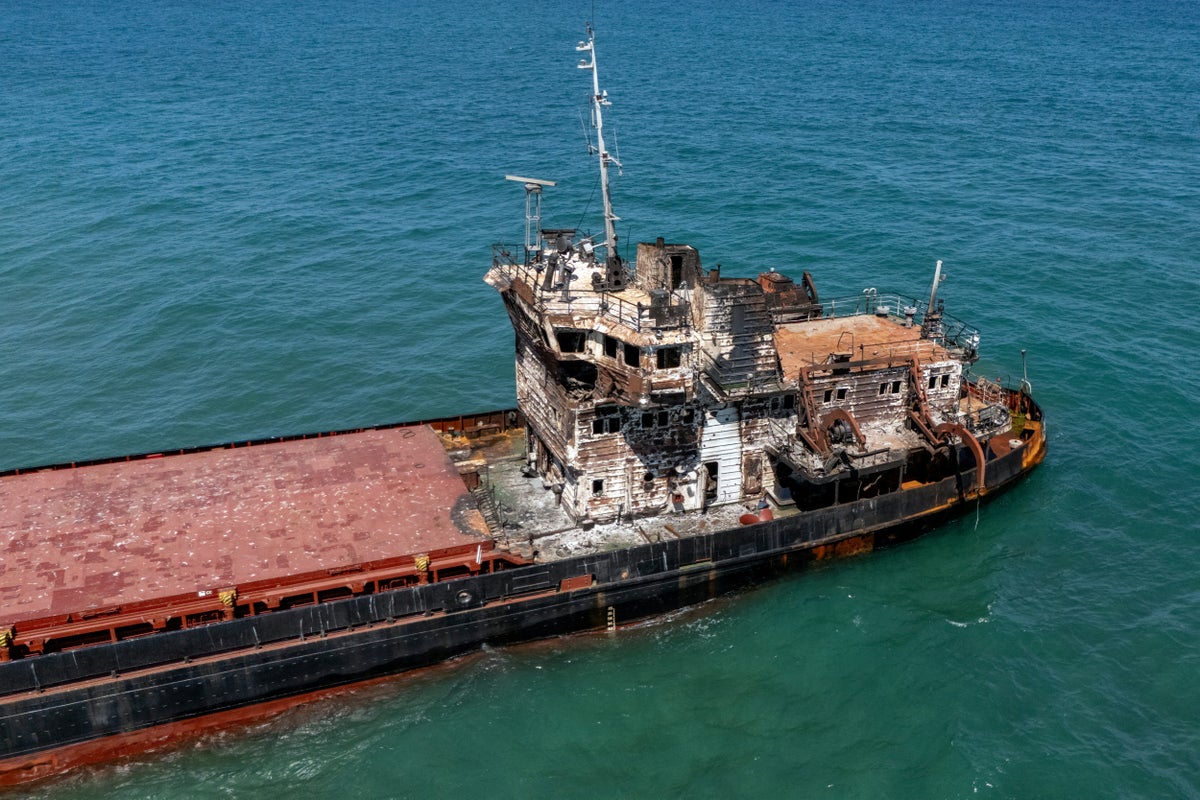
Commercial shipping in the Black Sea faces increased risk from drone attacks
Commercial vessels operating in the Black Sea are increasingly adopting makeshift defensive measures, such as 'cope cages,' to protect against drone strikes. This trend follows a surge in military attacks on port facilities and shipping lanes by both Russian and Ukrainian forces.
As the conflict in the Black Sea intensifies, commercial shipping operators are resorting to improvised defensive strategies to mitigate the threat of drone warfare. The term 'cope cages'—originally coined to describe metal grates welded onto armored vehicles to deflect drone-dropped munitions—is now being applied to similar protective structures appearing on merchant vessels. These makeshift anti-drone defenses reflect the growing danger posed to civilian maritime traffic as both Russian and Ukrainian forces target port infrastructure and vessels involved in regional trade.
The escalation of these attacks has transformed the Black Sea into a high-risk zone for global shipping. While the primary goal of these defensive measures is to protect crew and cargo from aerial threats, the reliance on ad-hoc solutions highlights the lack of standardized security protocols for commercial ships operating in active combat zones. The Independent reports that the frequency of these strikes has surged, raising concerns about the long-term impact on maritime safety and the stability of supply chains that rely on Black Sea ports. As the conflict continues, the presence of these defensive modifications serves as a visual indicator of the blurring lines between military and civilian maritime operations in the region.
📡 Media Analysis
How each outlet framed the story — angles, word choices, and what they chose to push or ignore.
Highlighted the adaptation of military-style defensive tactics to civilian maritime shipping.
"cope cages"
🔍 What Nobody's Reporting
- ·Lack of specific data regarding the success rate of these makeshift defenses.
- ·Absence of comment from international maritime insurance or regulatory bodies regarding the legality or safety of these modifications.
📰 Sources
0 A-rated source(s) among 1 total. Lowest trust: The Independent (B)