
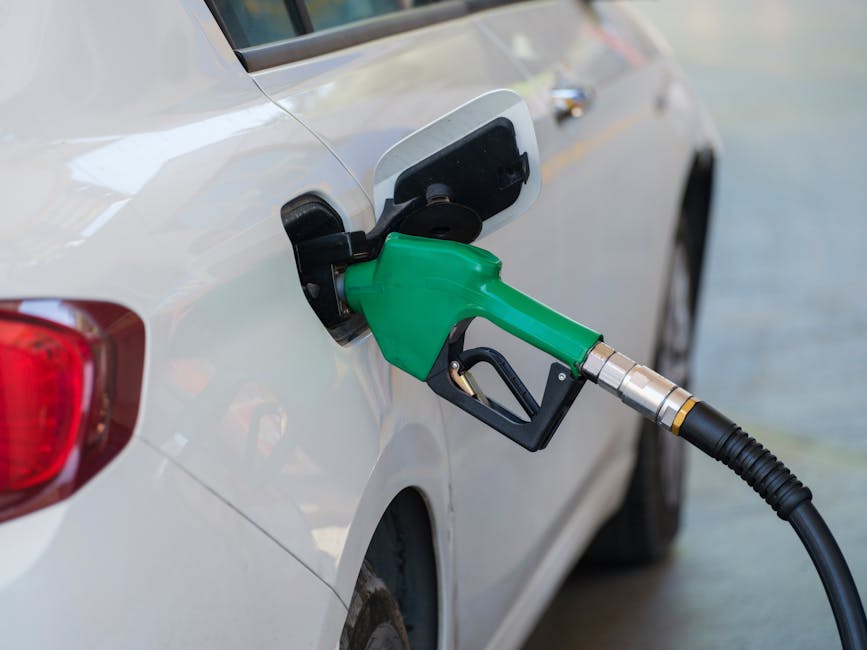
Competing Georgia Gas Stations Engage in Localized Price War
Two neighboring gas stations in Georgia recently engaged in a competitive pricing battle to offer the lowest fuel costs to local drivers. The event was highlighted as a notable human-interest story regarding consumer savings.
Market Narrative Detected
The media is framing local retail competition as a 'feel-good' consumer victory. This narrative benefits gas station brands by humanizing their corporate presence and distracting from broader, systemic fuel price volatility.
In a recent display of localized market competition, two gas stations located in close proximity in Georgia entered into a price-cutting contest. By lowering their rates to attract motorists, the stations provided a temporary financial benefit to local residents. While such price wars are typically driven by the need to capture market share in high-traffic areas, they often result in short-term savings for consumers before prices eventually stabilize.
This incident serves as a practical example of how direct competition between businesses in the same geographic vicinity can influence retail pricing. While the stations involved were not named in the report, the phenomenon underscores the impact of local market dynamics on the cost of living for commuters. No further details regarding the duration of the price drops or the specific business strategies of the station owners were provided by the reporting source.
📡 Media Analysis
How each outlet framed the story — angles, word choices, and what they chose to push or ignore.
Framed the price war as a lighthearted 'high' of the week rather than a serious economic analysis.
"went head-to-head"
🔍 What Nobody's Reporting
- ·The names and locations of the specific gas stations involved.
- ·The underlying cause of the price war (e.g., inventory surplus, loss-leader strategy, or local market saturation).
- ·The duration of the reduced pricing.
📰 Sources
0 A-rated source(s) among 1 total. Lowest trust: CNBC Business (B)