
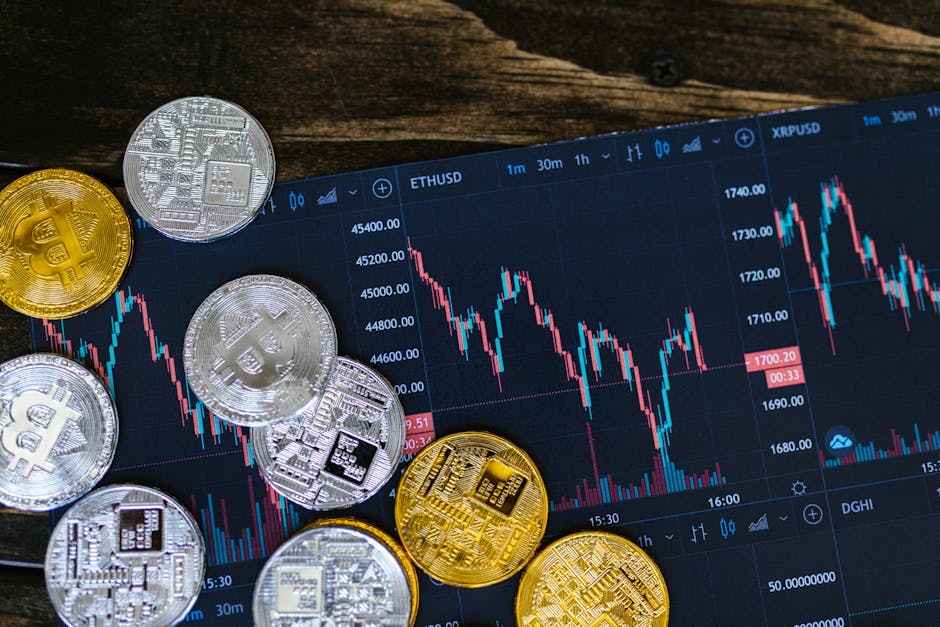
Concerns Raised Over Synthetic Tokenized Stocks for American Investors
Recent industry analysis suggests that synthetic tokenized stocks may pose significant risks to American retail investors. These digital assets, which mirror the price of traditional equities, operate outside of standard regulatory frameworks.
Market Narrative Detected
The media is currently pushing a narrative of 'regulatory protectionism,' warning investors that decentralized alternatives to traditional stocks are unsafe. This benefits established brokerage firms and regulators who seek to maintain control over retail investment flows.
The emergence of synthetic tokenized stocks has sparked debate regarding their suitability for American investors. These tokens are designed to track the performance of traditional stocks through blockchain technology, allowing users to gain exposure to equity price movements without owning the underlying shares.
CoinDesk reports that these financial instruments are fundamentally disadvantageous for American participants. The primary concern centers on the lack of regulatory oversight compared to traditional brokerage accounts. Because these tokens are often issued by offshore entities, investors may lack the legal protections afforded by the Securities and Exchange Commission (SEC) or the Securities Investor Protection Corporation (SIPC).
Furthermore, the technical structure of synthetic tokens introduces counterparty risk. Unlike purchasing a share of a company through a regulated exchange, a synthetic token holder is essentially entering into a contract with the token issuer. If the issuer fails or the underlying smart contract is exploited, investors may have little recourse to recover their funds. While proponents argue that tokenization increases accessibility and allows for 24/7 trading, critics emphasize that this convenience comes at the cost of transparency and investor safety. The current discourse highlights a growing tension between the decentralized finance (DeFi) ethos of unrestricted access and the traditional financial system's emphasis on consumer protection and market integrity.
📡 Media Analysis
How each outlet framed the story — angles, word choices, and what they chose to push or ignore.
Took a definitive stance against the product, labeling it as inherently harmful to a specific demographic.
"bad for American investors"
⚡ Where Sources Disagree
- ·Whether tokenized stocks provide a legitimate service to investors versus being a predatory financial product.
🔍 What Nobody's Reporting
- ·Lack of perspective from the issuers of these tokens regarding their security measures.
- ·Absence of data on the actual volume or number of American investors currently using these platforms.
- ·No mention of the specific regulatory hurdles or potential paths to compliance for these assets.
📰 Sources
0 A-rated source(s) among 1 total. Lowest trust: CoinDesk (B)