
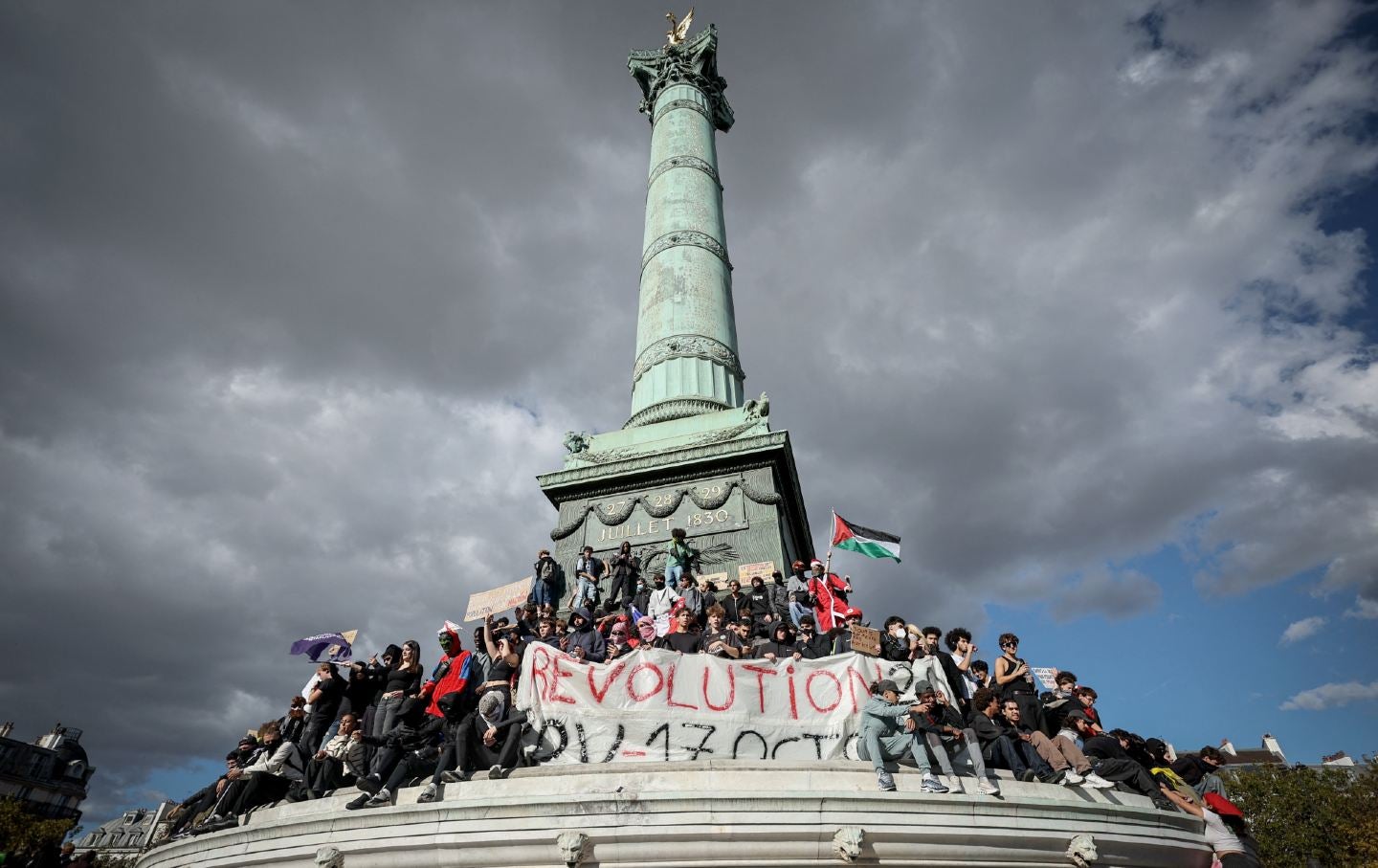
Concerns Raised Over the Normalization of Emergency Powers in France
Critics argue that France has effectively entered a permanent state of emergency due to the long-term integration of exceptional security measures into standard law. This trend raises questions about the long-term impact on civil liberties and the precedents set for future presidential administrations.
In recent years, France has seen a shift in its legal landscape where measures originally intended for temporary emergency situations have been increasingly codified into ordinary law. Observers and critics suggest that this transition represents a departure from traditional democratic norms, effectively creating a 'permanent state of emergency.' This process began in the wake of major security crises, but the continued reliance on these expanded executive powers has sparked debate regarding the balance between national security and individual civil liberties.
There is a notable disagreement regarding the necessity and the consequences of these policies. Some analysts argue that these measures are essential tools for a modern state facing evolving security threats, providing the government with the flexibility required to maintain public order. Conversely, critics, including contributors to outlets like The Nation, contend that these 'bad habits'—referring to the normalization of executive overreach—are being institutionalized. They warn that these powers, once established, are unlikely to be relinquished by future administrations, thereby permanently altering the relationship between the French state and its citizens.
While the government maintains that these legal adjustments are proportionate and subject to parliamentary oversight, opponents argue that the oversight mechanisms are insufficient to prevent the erosion of constitutional protections. The debate centers on whether the French Republic is witnessing a temporary adaptation to global instability or a fundamental, lasting shift toward a more authoritarian security apparatus.
📡 Media Analysis
How each outlet framed the story — angles, word choices, and what they chose to push or ignore.
Framed the normalization of emergency powers as a dangerous legacy that undermines democratic habits.
"bad habits"
✓ Only outlet to report: Identified the specific concern that these powers are being passed on to future presidential successors.
⚡ Where Sources Disagree
- ·Whether the integration of emergency measures into law is a necessary security adaptation or an erosion of democratic norms.
🔍 What Nobody's Reporting
- ·Lack of perspective from the French government or supporters of the security measures explaining the specific legal justifications.
- ·Absence of data regarding the frequency or specific instances in which these emergency powers have been utilized in recent years.
📰 Sources
0 A-rated source(s) among 1 total. Lowest trust: The Nation (B)