
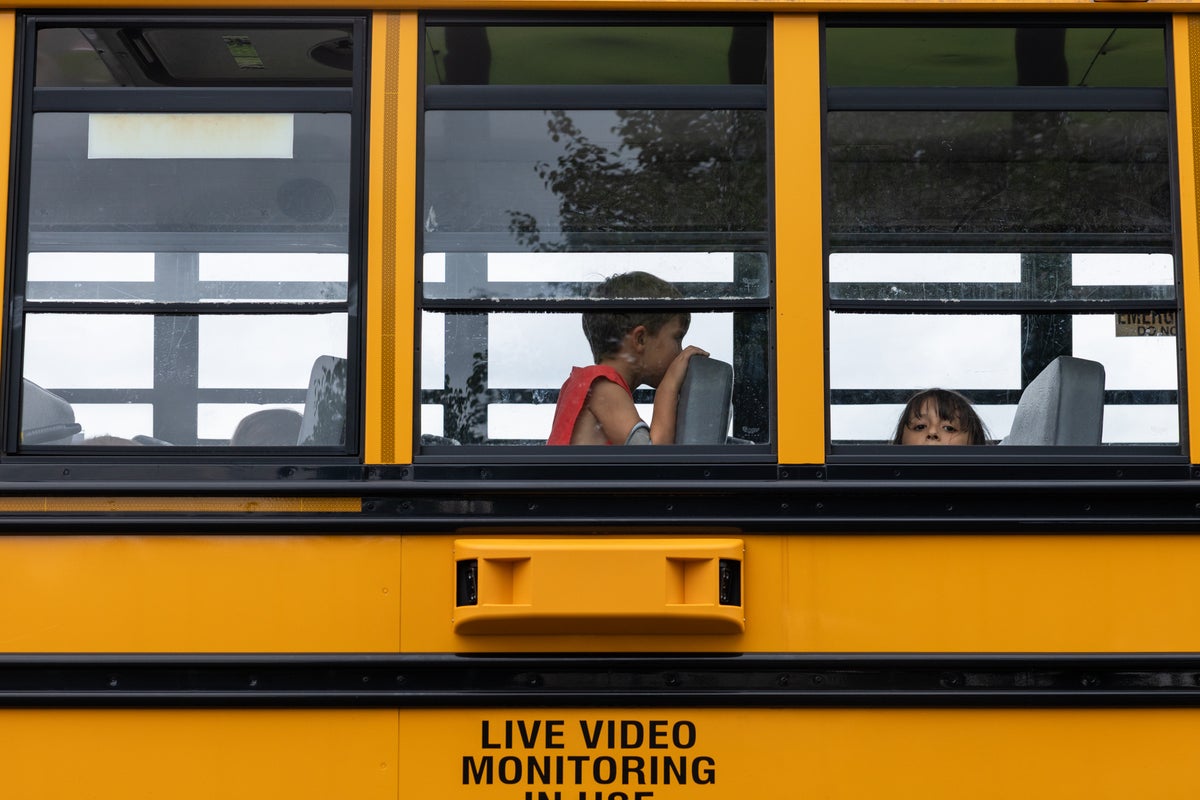
Connecticut Towns Deploy AI License Plate Readers on School Buses
Connecticut municipalities are implementing AI-powered license plate recognition technology on school buses. The initiative aims to identify and penalize motorists who illegally pass buses while they are stopped to load or unload students.
Several towns across Connecticut have begun installing advanced camera systems on school buses to monitor traffic safety. These AI-powered license plate readers are designed to automatically capture the information of vehicles that fail to stop when a school bus has its stop arm extended and lights flashing.
Proponents of the technology argue that the move is a necessary step to improve student safety, as illegal passing of school buses remains a persistent concern for local school districts and law enforcement. By automating the identification process, officials hope to provide more consistent enforcement of traffic laws that protect children during their commute.
While the primary goal is the enforcement of existing traffic regulations, the deployment of these cameras has introduced new automated surveillance into the daily school transport process. The technology functions by scanning plates in real-time, allowing authorities to issue citations based on the captured data. Because this is a relatively new implementation in the state, the long-term impact on traffic behavior and the specific privacy protocols governing the stored data remain areas of ongoing discussion among local officials and community members.
📡 Media Analysis
How each outlet framed the story — angles, word choices, and what they chose to push or ignore.
Focused on the technological solution to a safety problem without addressing privacy concerns.
"AI-powered"
🔍 What Nobody's Reporting
- ·Lack of information regarding data privacy policies or who has access to the captured license plate images.
- ·Absence of input from civil liberties groups or privacy advocates regarding the expansion of surveillance.
- ·No mention of the cost of implementation or how the revenue from potential fines is allocated.
📰 Sources
0 A-rated source(s) among 1 total. Lowest trust: The Independent (B)