
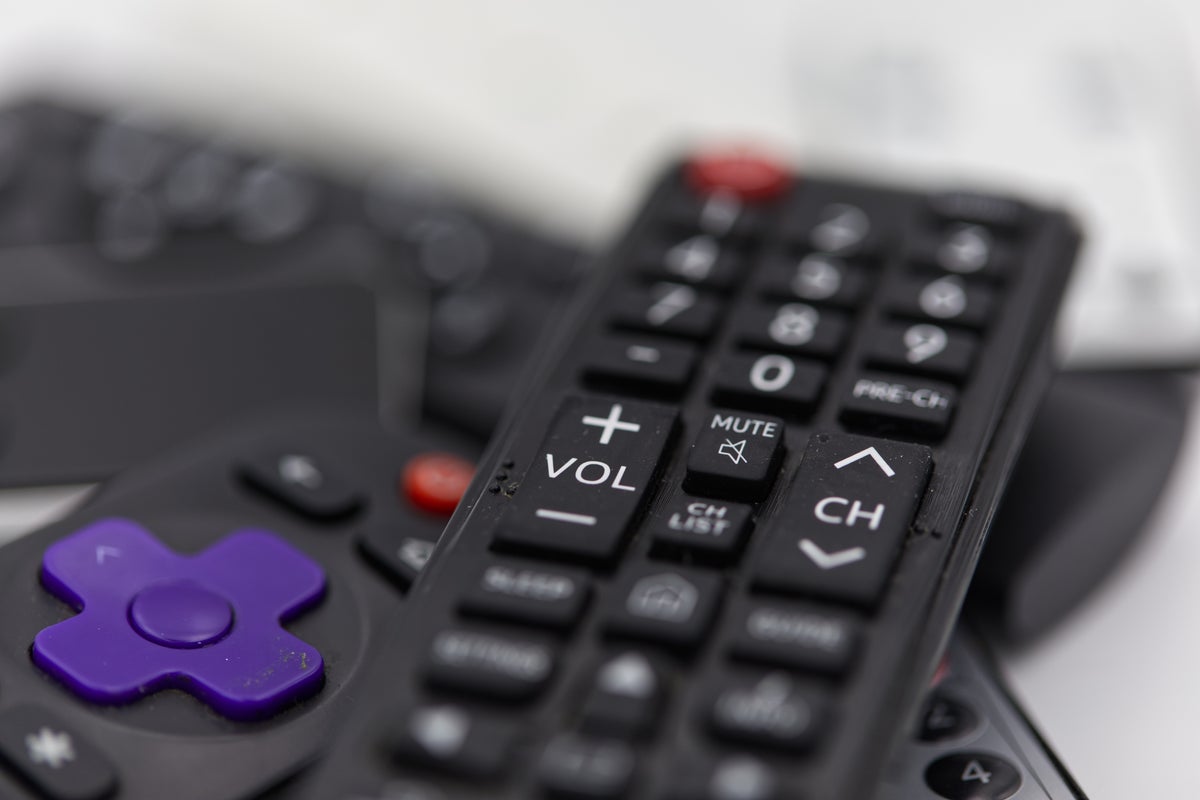
The cultural impact and convenience of the television remote control
The television remote control has fundamentally changed viewer behavior by allowing for effortless channel switching. This device has become a staple of modern home entertainment, enabling users to manage their media consumption from a distance.
The television remote control is widely recognized as a transformative invention in the history of home entertainment. By eliminating the need for viewers to physically approach the television set to change channels, the device introduced a new level of convenience that has shaped modern viewing habits.
Media analysts often point to the remote control as the catalyst for 'channel surfing,' a behavior where viewers rapidly switch between programs. This shift in behavior has had significant implications for television programming, as networks have had to adapt to audiences with shorter attention spans who can easily navigate away from content they find uninteresting.
While the device is frequently associated with sedentary lifestyles—often colloquially referred to as 'couch potato' culture—it remains a primary interface for human-computer interaction in the living room. The Independent notes that the remote serves as a tool for viewers to exert control over their media environment, effectively allowing them to curate their viewing experience in real-time. Despite the rise of streaming services and voice-activated controls, the physical remote remains a central component of the television experience, reflecting a long-standing preference for tactile, immediate control over broadcast and digital content.
📡 Media Analysis
How each outlet framed the story — angles, word choices, and what they chose to push or ignore.
Framed the remote as a humorous but essential tool for modern convenience.
"channel your desires"
🔍 What Nobody's Reporting
- ·Lack of technical history regarding the invention of the remote control.
- ·Absence of data regarding the decline of physical remotes in the age of smart TVs and mobile apps.
📰 Sources
0 A-rated source(s) among 1 total. Lowest trust: The Independent (B)