
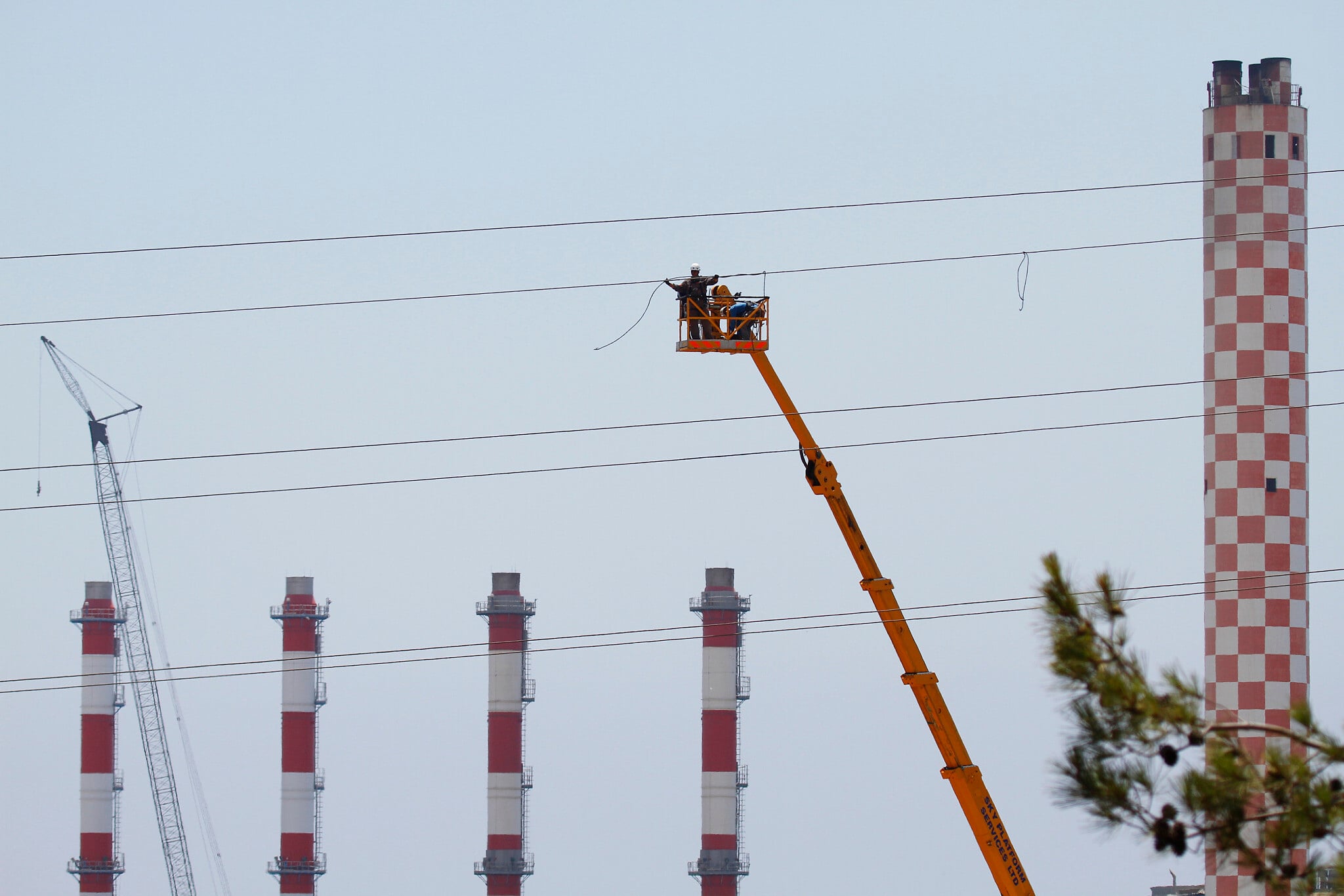
Cyprus and Israel Advance Plans for Great Seas Interconnector Energy Project
Cyprus officials are promoting the Great Seas Interconnector, a project designed to link the power grids of Cyprus, Israel, and Europe. The initiative aims to establish a new energy and trade corridor, though project costs are expected to exceed the initial $2.2 billion estimate.
The Great Seas Interconnector is a major infrastructure project intended to integrate the electricity grids of Cyprus and Israel with the broader European network. By creating this connection, proponents argue the project will enhance energy security and establish a vital trade route extending toward the Gulf and India.
While the project is being framed as a strategic necessity for regional integration, financial projections remain a point of discussion. The initial budget for the interconnector was estimated at $2.2 billion, but officials and analysts acknowledge that the final cost will likely be higher due to the complexity of the subsea construction and geopolitical variables.
Supporters of the project emphasize its potential to diversify energy sources for the European Union and strengthen economic ties between the participating nations. However, the project faces significant logistical and financial hurdles that must be addressed before construction can fully proceed. The initiative is part of a broader effort to modernize regional energy infrastructure, though specific timelines for completion and the final funding structure remain under development.
📡 Media Analysis
How each outlet framed the story — angles, word choices, and what they chose to push or ignore.
Highlighted the strategic and geopolitical benefits of the energy project while noting the rising costs.
"hails moves"
✓ Only outlet to report: Mentioned the potential for the project to serve as a trade route to the Gulf and India.
⚡ Where Sources Disagree
- ·The final cost of the project remains uncertain, with current estimates exceeding the original $2.2 billion budget.
🔍 What Nobody's Reporting
- ·Lack of detail regarding the specific environmental impact assessments for the subsea cables.
- ·Absence of input from regional stakeholders who may oppose the project due to geopolitical tensions.
📰 Sources
0 A-rated source(s) among 1 total. Lowest trust: Times of Israel (B)