
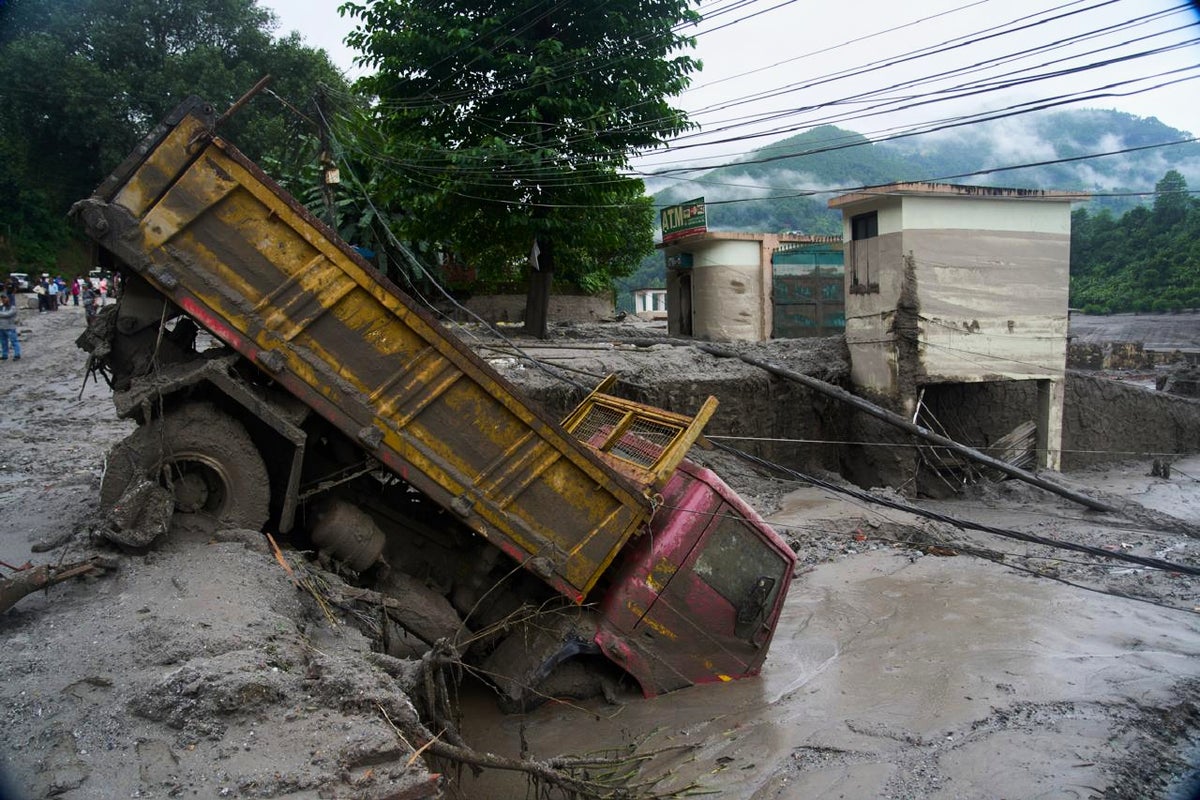
Deadly Flash Flood in Nepal Linked to Glacial Instability
A flash flood in Nepal on Wednesday resulted in fatalities and damage, with scientists attributing the event to a glacial collapse that temporarily blocked a river. The incident has renewed concerns regarding the stability of Himalayan glaciers amid rising global temperatures.
A destructive flash flood struck parts of Nepal on Wednesday, causing significant damage and loss of life. According to scientific assessments, the disaster was triggered when a large portion of a glacier broke away, creating a temporary dam in a river system. When this natural barrier eventually gave way, it released a surge of water downstream, catching local communities off guard.
This event has drawn attention to the increasing vulnerability of the Himalayan region to climate-related hazards. As global temperatures rise, glaciers in the region are melting and becoming increasingly unstable, leading to a higher frequency of glacial lake outburst floods (GLOFs) and similar phenomena. While the immediate focus remains on search and rescue operations, experts are emphasizing the need for better early-warning systems and infrastructure planning in high-altitude areas. The incident highlights the growing risks faced by mountain communities as the physical landscape of the Himalayas changes due to environmental shifts.
📡 Media Analysis
How each outlet framed the story — angles, word choices, and what they chose to push or ignore.
Framed the disaster as a direct consequence of climate change and environmental instability.
"growing glacier risks"
⚡ Where Sources Disagree
- ·None; only one source provided.
🔍 What Nobody's Reporting
- ·Specific location details of the affected villages.
- ·Current casualty count and number of missing persons.
- ·Status of government emergency response efforts.
📰 Sources
0 A-rated source(s) among 1 total. Lowest trust: The Independent (B)