
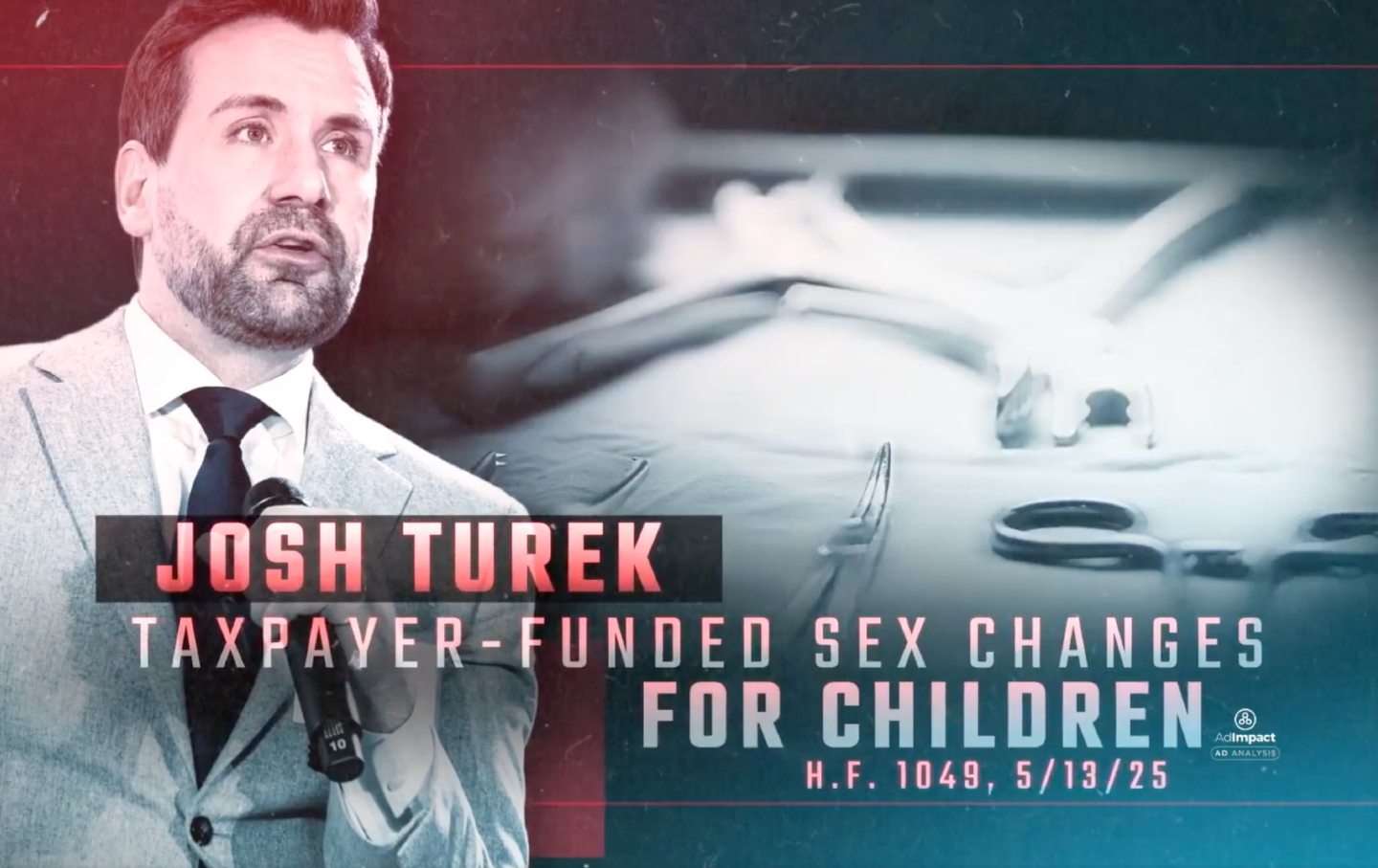
Debate Emerges Over Labeling Anti-Trans Rhetoric as a Political 'Distraction'
Political commentators are divided on whether anti-trans rhetoric should be categorized as a 'distraction' from economic issues. Critics argue this framing marginalizes the rights of transgender individuals, while others view it as a strategic shift away from core voter concerns.
As the midterm election cycle progresses, a recurring debate has surfaced regarding how political campaigns and media outlets address anti-trans rhetoric. Some political strategists and commentators have characterized these attacks as a 'distraction' from 'kitchen-table' issues, such as inflation, healthcare costs, and economic stability. This framing suggests that voters should prioritize economic concerns over social issues, which are often viewed as secondary or peripheral to the primary campaign narrative.
However, this characterization has faced significant pushback from advocates and progressive commentators. Critics argue that labeling anti-trans rhetoric as a 'distraction' is inherently dismissive of the civil rights and safety of transgender people. By categorizing these issues as secondary, opponents of this framing suggest that political discourse is effectively signaling that the rights of marginalized groups are expendable or negotiable in the pursuit of broader electoral success. The disagreement centers on whether social issues are legitimate, central components of the political platform or if they are tactical tools used to divert public attention from economic policy.
While some analysts maintain that focusing on economic issues is the most effective way to reach a broad coalition of voters, others contend that ignoring social attacks allows harmful rhetoric to go unchecked. The tension remains between the desire for a unified economic message and the moral imperative to address human rights concerns as primary political issues rather than secondary distractions.
📡 Media Analysis
How each outlet framed the story — angles, word choices, and what they chose to push or ignore.
Argues that calling anti-trans rhetoric a distraction is a moral failure that minimizes human rights.
"chilling message"
✓ Only outlet to report: Identifies the specific rhetorical trend of labeling social issues as 'distractions' as a systemic problem in midterm election strategy.
⚡ Where Sources Disagree
- ·Whether social issues like transgender rights should be treated as central political concerns or secondary to economic 'kitchen-table' issues.
🔍 What Nobody's Reporting
- ·Lack of perspective from the political strategists who actually use the 'distraction' framing to understand their stated rationale.
- ·Absence of data or polling regarding how voters themselves prioritize these issues versus how media outlets claim they do.
📰 Sources
0 A-rated source(s) among 1 total. Lowest trust: The Nation (B)